


Styx has been off the radar for almost nine years, and Styx: Blades of Greed picks up right after his last outing. This time you drop back into his world as the one making decisions from a creaking airship base. You pick contracts across tall maps and hunt Quartz shards that push his powers in new directions. You aren’t just cleaning up jobs for other factions anymore. You’re steering the crew and deciding which part of the world to rob next.
Instead of small enclosed missions, you get three big regions that open up as you go. The Wall has stacked city blocks, Turquoise Dawn has harsher outposts, and the ruins of Akenash sit further out. Each one climbs upwards, with ropes, ledges, and tucked away corners that let you scrape along the edges of patrol routes or swing above them with a grappling hook. Later, a glider joins the mix and Quartz tricks let you slow things down or turn guards on each other. A crafting menu full of tools gives you more ways to fix a bad move without reloading right away.




When a plan comes together, sneaking across rooftops, dropping in behind patrols, and dragging bodies out of the light can be genuinely satisfying. When the camera sticks in a corner, sword swings whiff at close range, or guards react in strange ways, the same map can turn into a grind. Little problems stack up and chip away at a good run. As a result, Styx: Blades of Greed ends up in a pretty specific place, with a smart stealth playground that rewards patience and experimentation. There are still a lot of caveats if you’re coming in cold or want something more relaxed.
Quartz Heists And A World Catching Up To Styx
Styx: Blades of Greed picks up right after Styx’s last adventure, with a fight on Helledryn’s ship spiralling into a bigger disaster. The clash forces Styx, Djarak, and Helledryn into a shaky alliance. That push rolls straight into The Wall, a cramped slum built into a fortified cliff. From there the story sends you across the continent chasing shards of Quartz that everyone else wants to control. You spend most of the game operating from a small airship, talking to your crew, picking contracts, and deciding which hotspot to hit next.
Styx isn’t just a hired knife this time. He’s running jobs under the early banner of the Black Hand, working with a dwarf captain and an engineer who turns Quartz research into new tricks for your toolkit. Conversations on the ship fill in what Quartz actually is, how it ties into earlier games, and why humans, dwarves, and other factions keep trying to lock it down. If you played Shards of Darkness or Of Orcs and Men, you can line this up as the middle chapter that helps bridge everything. If you’re new, you still get enough clear goals and character beats to follow what Styx is chasing, even if some references slide by.
Three Regions In One Long Arc
The campaign itself is split across three big regions, with main missions that move the Quartz story forward and side contracts that add more context around the war that’s slowly coming. Story scenes pop up at key points on the ship and at the start or end of a major heist. Long stretches between those beats are all about quiet infiltrations and Quartz runs through tall maps. That keeps the focus on Styx’s personality and the heist structure more than plot twists. You still feel a steady push toward the bigger conflict without turning every mission into a long cutscene.
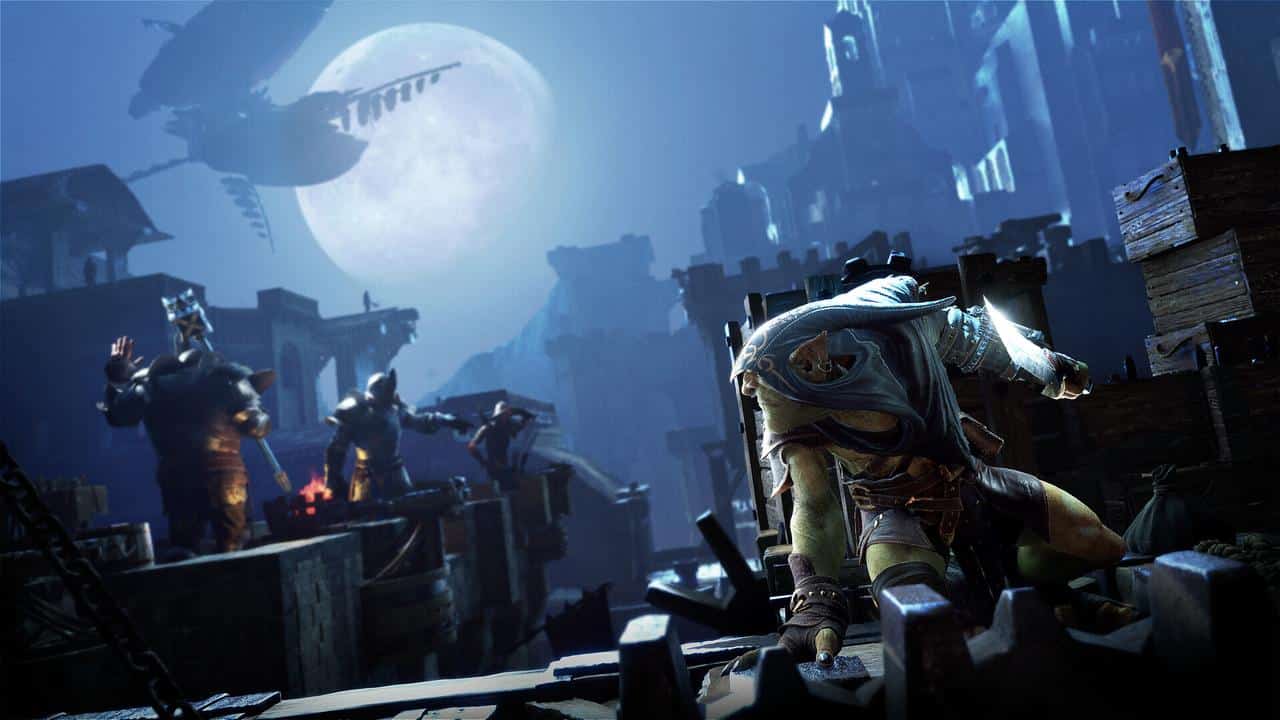
Vertical Sandboxes And Careful Stealth
Styx: Blades of Greed is upfront about what it wants from you. You’re small, fragile, and not built for clean sword fights. If you try to trade hits, even basic guards can cut through you fast. The game expects you to stick to shadows, pick off enemies one by one, and treat each patrol route as something to study instead of a group to rush. On PS5, sneaking, crouching, and hopping into cover feel responsive most of the time. Having quick save a button press away makes it easier to lock in a good run before you push into the next risky gap.

Tools That Expand Your Stealth Options
The fun comes from the tools you stack on top of that basic stealth. You can slide under tables, climb pipes, swing across gaps with a grappling hook, or drop into a glide from high ledges once that option opens up. Quartz powers give you extra ways to clean up mistakes or set up ambushes. You might slow guards, turn them on each other, or leave a cocoon in a safe corner so you can blink back if a plan falls apart. Crafting supports all of this with darts, bottles, acid flasks, and other gadgets. Ingredients feel tight early on, so you have to pick which tricks you want to lean on until later upgrades arrive.
Each of the three regions plays out as a tall playground rather than a flat path from door to door. The Wall stacks alleys, rooftops, balconies, and cramped interiors on top of each other, with multiple ways to reach the same shard of Quartz or target. Turquoise Dawn and Akenash follow the same idea, just with different layouts and enemy mixes. That shape lets you improvise, but it also exposes some rough edges. Guards sometimes react in strange ways to quiet takedowns, and pathfinding can make chases messy. Small camera or movement slips can also send you tumbling off a ledge you thought you had. If you’re ready to quick save often and accept the occasional weird death, there’s a lot of room to set up your own routes. The basic loop of scouting, isolating, and clearing paths repeats often enough that long runs can start to feel very familiar.
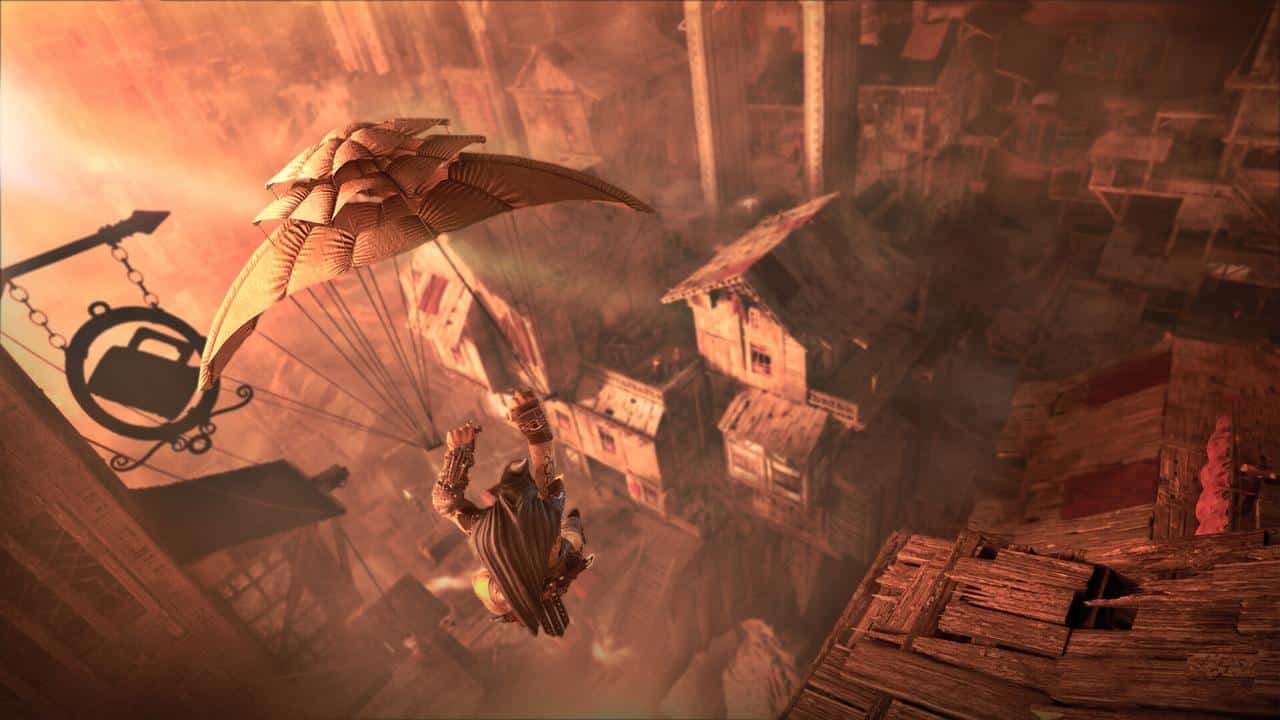
Dark Streets, Harsh Light, And Goblin Attitude
Styx: Blades of Greed sells its world best through its maps. The Wall hits first, with stacked stone blocks, hanging walkways, and cramped corridors that give you plenty of corners to sink into. Turquoise Dawn trades that for rougher outposts and more open gaps between cover, while Akenash focuses on broken towers and collapsed bridges that give you long drops under your feet. On PS5, lighting is the real guide. Pools of darkness are easy to read at a glance, bright doorways and braziers tell you where you’re exposed, and small details like dust and fog help each region feel a little different without turning into visual clutter.
Audio Cues And Performance
Character animation is fine, but nothing special. Styx climbs, hangs, and slides with smooth loops, although some of his more acrobatic jumps can look a bit floaty. Guards repeat a lot of the same patrol movements and death animations, which you start to notice once you’ve cleared out the same streets and courtyards a few times. Cutscenes sit in the same middle ground. They carry key moments and banter well enough, but you still see asset pop-in and odd little clashes when the ship and buildings share the frame.
Audio plays a big role in how stealth works here. Styx’s voice work has the same rough humour you expect, and he chimes in often about your choices or the current job, breaking up long stretches that might otherwise be silent. Guard shouts give you clear hints about what’s happening, so you can tell if you’ve just been spotted, are being hunted, or have shaken a chase off. The soundtrack fits the darker fantasy tone. It rises when you get caught and settles back once you slip out of sight again, even if you probably won’t remember many specific tracks after the credits. Performance is mostly smooth at 60 frames per second during regular play. I only encountered small dips during busy scenes or when effects spike. It never gets bad enough to ruin a good run through a level.
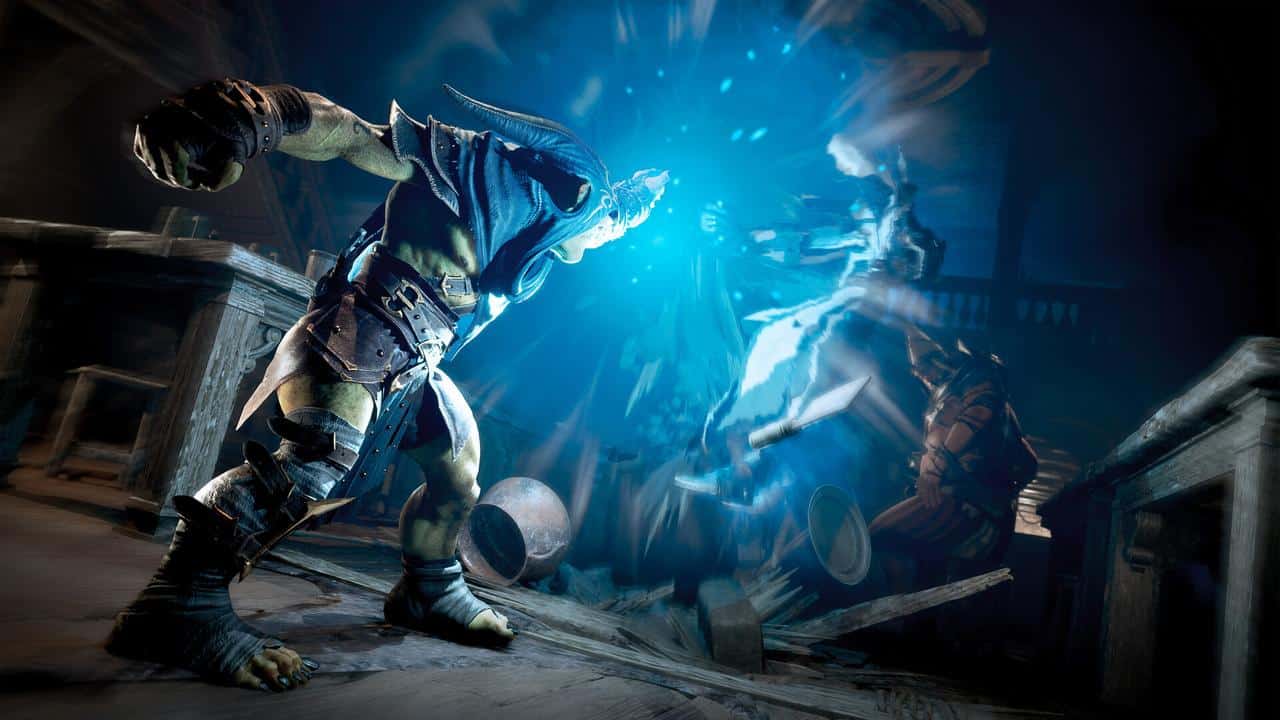
Styx: Blades Of Greed Brings The Goblin Back With Bigger Maps And Familiar Issues
If you enjoy older stealth games that put sneaking first and combat last, this one sits in that lane. Styx: Blades of Greed gives you a lot to chew on. You get tall maps packed with routes and vertical shortcuts. Quartz hides in side rooms and off to the edges. A growing set of tools lets you stalk patrols in your own way. You run jobs from the airship and talk through plans with your crew. Treating each contract as a small heist suits Styx really well. His constant grumbling and sarcasm keep the whole thing from feeling dry.
You also have to be ready for the rougher parts. Guard behaviour can be strange. Small control or camera hiccups can send you off an edge or into a bad alert. Resource drops feel stingy early on. Even once you unlock more options, the basic pattern of scouting, isolating, and clearing paths repeats often. Long runs through the same region can start to blend together. On PS5 the performance holds up well overall. The visual glitches and small stutters you do see still remind you of that. This isn’t a polished big budget stealth revival.

If you already like Styx, this feels like a worthwhile return. You just have to accept a few technical issues and quirks. If you’re new to the series or to stealth games in general, you should expect a learning curve. There will be some frustration along the way. For me it sits in that space where the good stealth sandboxes and Quartz toys win out over the problems. There are still clear spots where a bit more time and tuning would have helped.
Styx: Blades of Greed
Summary
Styx: Blades of Greed pulls you back into stealth-heavy goblin heists, with tall maps, an airship hub, and Quartz powers that let you swing between rooftops, glide over patrols, and set up tricks like cocoons, mind control, and nasty traps. You spend your time picking contracts from the ship, sneaking through The Wall, Turquoise Dawn, and Akenash, crafting tools, and dragging bodies out of sight. Odd guard behaviour, camera slips, and a stealth loop that repeats the same scout, separate, clear pattern hold it back, but the mix of vertical routes, goblin chatter, and room to plan your own approach still works well if you’re up for patient sneaking and can live with some quirks..
As always, remember to follow us on our social media platforms (e.g., Threads, X (Twitter), Bluesky, YouTube, and Facebook) to stay up-to-date with the latest news. This website contains affiliate links. We may receive a commission when you click on these links and make a purchase, at no extra cost to you. We are an independent site, and the opinions expressed here are our own.