


Stauf Mansion is the reason The 7th Guest Remake works. The mystery, ghostly performances, and room-based puzzles all build around the house, even when a few movement and interaction quirks remind you that this remake started in VR.
If you missed The 7th Guest VR or couldn’t play it comfortably, this is a much more approachable way to explore Henry Stauf’s house without needing a VR headset. You get the mystery, redesigned puzzles, spirit lantern, and newly recorded volumetric performances. Some actions don’t translate as naturally, but Stauf Mansion has enough strange rooms and clever room puzzles to hold the game together.




Stauf Mansion Builds The Story Around Six Missing Guests
The 7th Guest Remake keeps the original 1993 premise simple enough to follow, even if you’ve never played the MS-DOS game. Henry Stauf, a famous toy maker, invited six guests to his mansion under mysterious circumstances. They were never seen alive again. You step into the house later and piece together what happened through ghostly scenes, notes, puzzles, and the strange behaviour of the mansion itself.
Stauf Mansion opens gradually as rooms shift, secrets surface, and new spaces become available after you solve puzzles. The game doesn’t need combat to create danger. It uses locked doors, distorted rooms, creepy toys, and Stauf’s presence to keep the whole place uncomfortable without turning into a jump-scare machine.
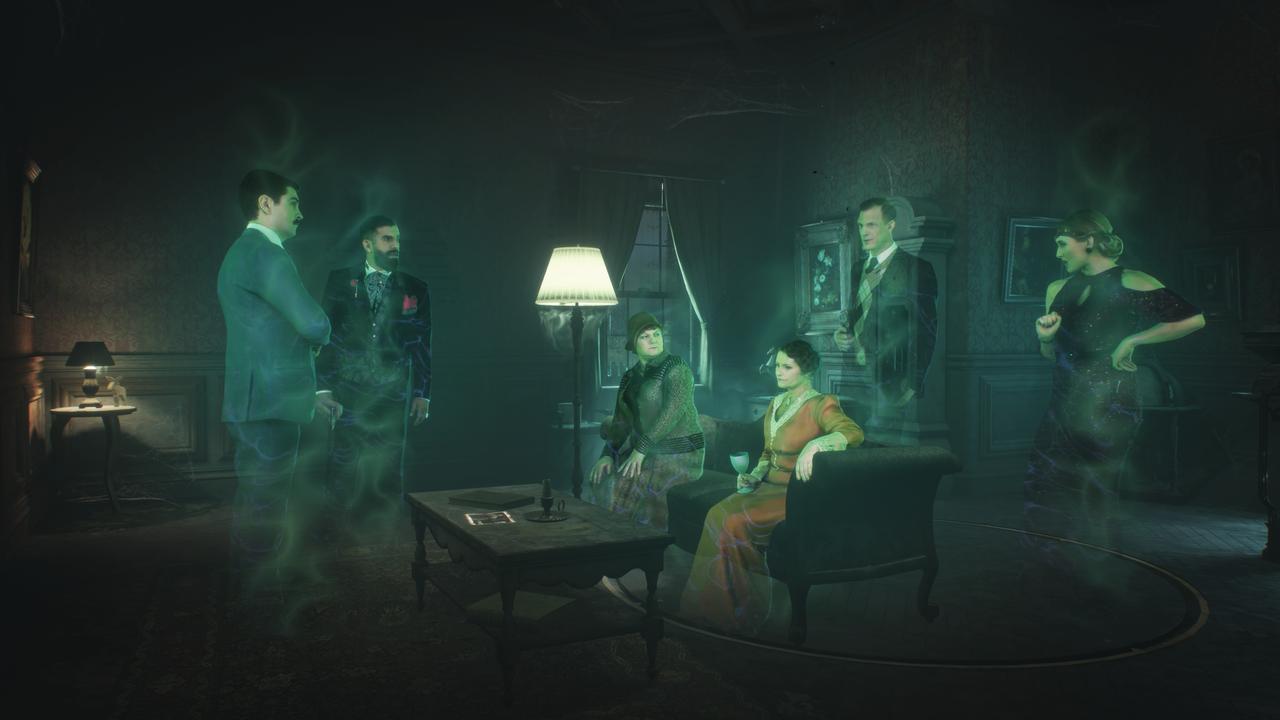
The guests shape the mystery. Their conversations and arguments play out as ghostly scenes inside the rooms, tying each character to the space you’re exploring. Solving a room usually reveals more than a door. It tells you something about the people Stauf pulled into his trap and fills in more of the question around the seventh guest.
I also like that the remake doesn’t expect you to know the original inside out. Returning fans will recognize the mansion, Stauf, and the broad mystery, but newcomers still get a clean path through the story. The house provides enough context on its own, which suits a remake built around discovery.
Environmental Puzzles And The Spirit Lantern Shape Gameplay
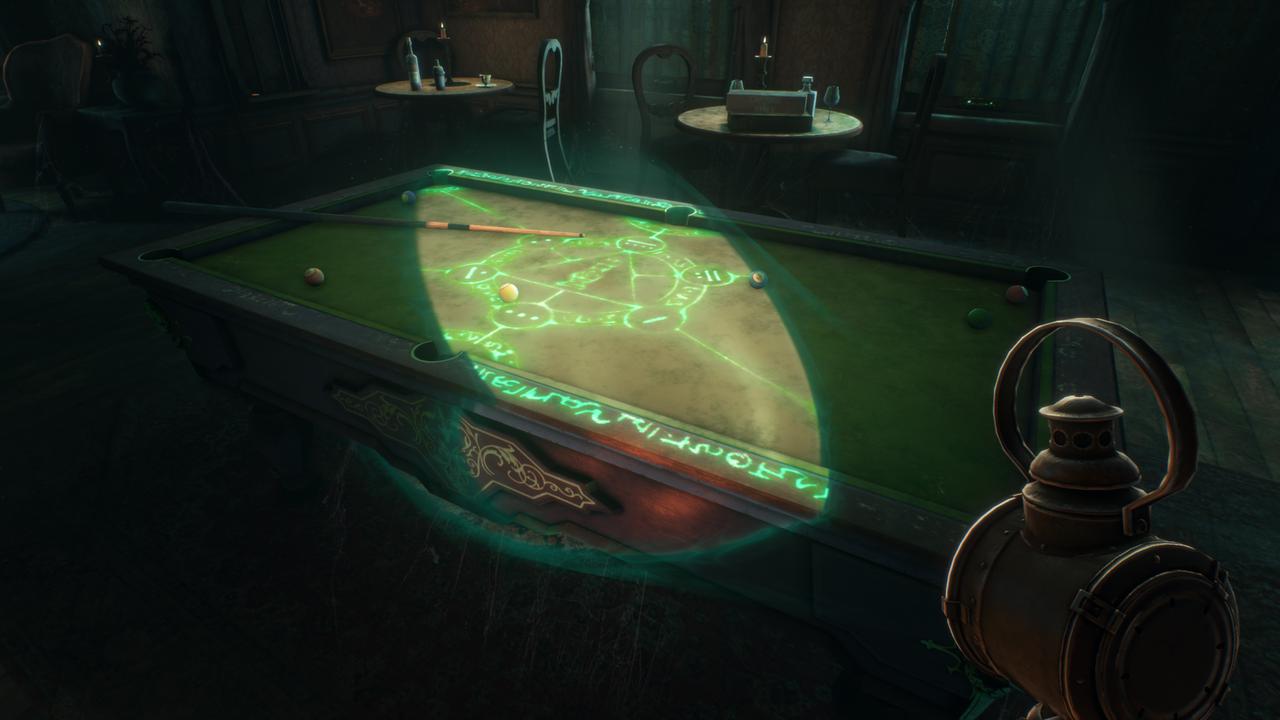
The spirit lantern turns The 7th Guest Remake into more than a string of separate puzzle rooms. It reveals hidden details, exposes clues, and restores broken objects in the environment. Looking around becomes part of progression instead of something you do between puzzles.

That changes how you read each room. A painting, damaged object, or strange detail in the corner might hide the next clue. You’re not just clicking every surface until something responds. You’re using the lantern to examine the room and uncover what Stauf Mansion is hiding from you. When that leads into a puzzle solution, the room has its own internal logic.
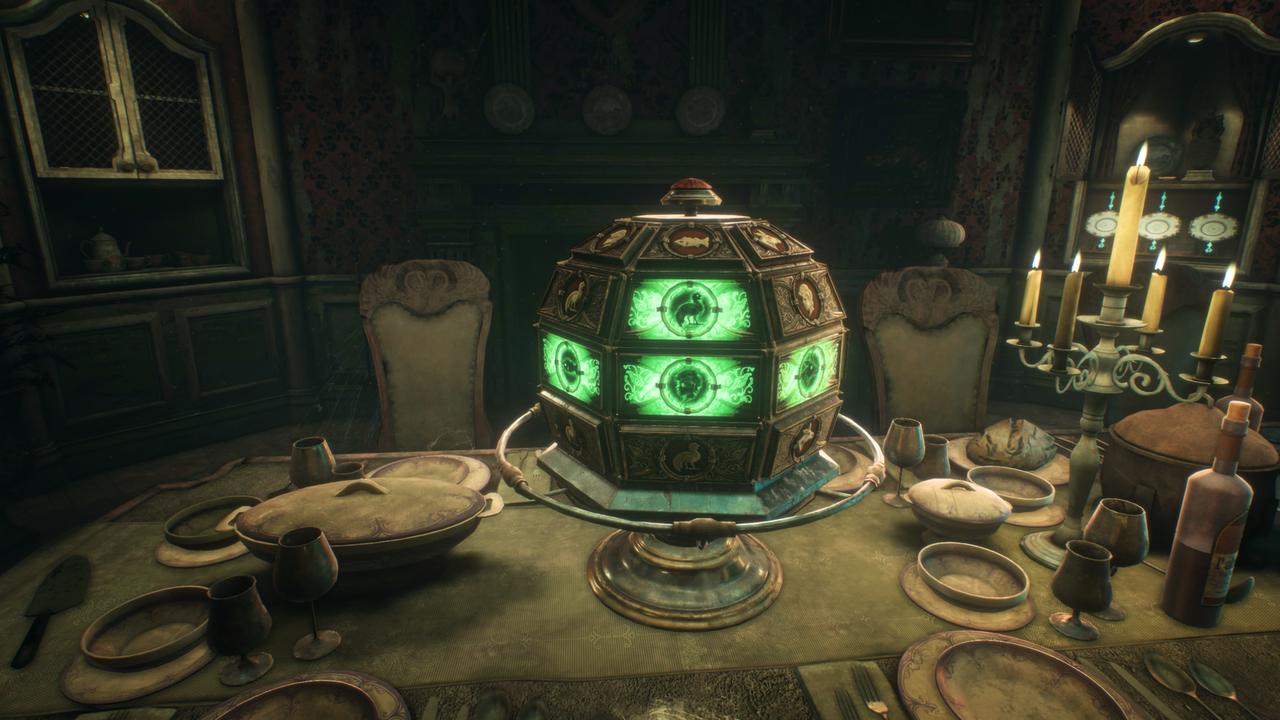
The redesigned puzzles build around that environmental approach. You’re studying objects, unlocking rooms, following clues, and solving challenges tied to the space around them. They come across as physical pieces of the mansion instead of detached mini-games, which connects the house more naturally.
The hint structure keeps frustration under control. Hidden coins can unlock hints, so progress doesn’t have to stop completely if one room blocks you. You still get the satisfaction of working something out, but there is a safety net if a specific clue refuses to come together.
The in-game map adds a practical touch. It tracks opened rooms, completed puzzles, and collectibles, so the mansion doesn’t become a guessing game about where to go next. For a 6 to 8 hour puzzle adventure, that clarity keeps the focus on solving rooms rather than wandering around wondering what changed.
A Few Controls Still Show The VR Origin
The VR origin shows up most when you’re lining up objects, crouching, or trying to view a puzzle from a specific angle. Free movement is here, but certain actions can be stiff when handled through standard controls instead of motion controls.
Some rooms work well because the puzzle logic is clear. Others take a little extra fiddling because the angle or interaction point isn’t as comfortable as it should be. A puzzle that works naturally when you can move closer or place your hands around the space doesn’t always translate cleanly when you’re playing without a VR headset.
This doesn’t break the game. The 7th Guest Remake isn’t an action game that needs split-second inputs. You’re exploring, thinking, turning objects, and working through room logic. A little awkward movement is easier to forgive here than it would be in something built around combat, but it can break your focus when you’re close to solving something.

The puzzles and mansion keep the game moving, but the controls aren’t always invisible. You’ll notice the VR origin most when the game wants a specific angle or a small interaction point becomes harder to grab than it should be.
Ghost Performances And Sound Bring Stauf Mansion To Life
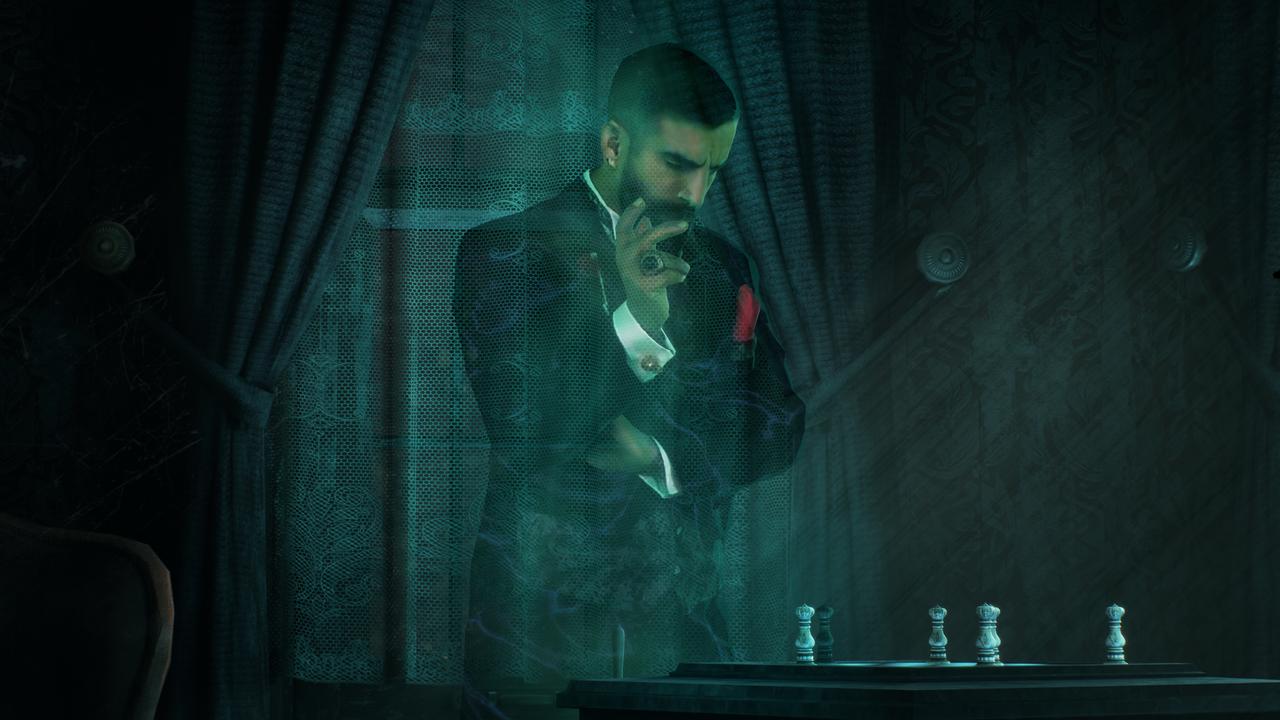
The 7th Guest Remake gets a lot from its ghost performances. The volumetric video places each guest inside the mansion as a physical presence, which suits a mystery built around trapped spirits and old conversations. They’re not just story clips. They’re part of the room.
That approach also benefits Henry Stauf. Music boxes, hidden clues, and strange mansion behaviour keep him present as you move from one space to the next. The sound is just as important. The original game is remembered partly because of George “The Fat Man” Sanger’s music, and the remake keeps that legacy in mind through recreated musical touches and eerie room audio.
Creaks, whispers, music cues, and odd environmental sounds keep the rooms uncomfortable without drowning out the puzzles. Creepy dolls, distorted rooms, odd lighting, and ghostly figures keep the horror rooted in the mansion itself. That fits The 7th Guest well because the horror comes from curiosity and discomfort more than direct threat. You’re not fighting monsters. You’re walking deeper into a house built by someone who clearly enjoyed making people suffer.
The rebuilt environments add enough detail to Stauf Mansion to make slow exploration useful. The lighting keeps rooms distinct from one another, which is useful in a game built around observation. During my time with The 7th Guest Remake on PC, performance was steady and I didn’t run into major issues while solving puzzles. I only noticed a few moments where room assets took a little longer to appear, and it happened rarely enough that I could keep studying each room without second-guessing the game.
The 7th Guest Remake Brings Stauf Mansion Back With Purpose
The 7th Guest Remake understands what should survive from the 1993 original. Stauf Mansion still needs to be strange. Henry Stauf still needs to be unsettling. The puzzles still need to make you stop, study the room, and rethink what you’ve missed. This remake keeps those pieces intact and rebuilds them in a way that plays much better today.
The 7th Guest Remake is most convincing when puzzles, story, and room design connect. Solving a room usually reveals more than a door. It tells you something about the guests, the mansion, or Stauf’s hold over the whole place. That keeps the 6 to 8 hour length focused. It doesn’t need combat or multiplayer to justify itself. It needs a creepy house full of clever room puzzles, and Stauf Mansion has that.
The version without a VR headset comes with tradeoffs. Movement can be stiff. Some object interactions expose the VR origin. A few perspective-focused moments are less comfortable when you can’t physically move around the space. If you already played The 7th Guest VR and loved it, The 7th Guest Reamke may not be the most natural way to move through Stauf Mansion.
The 7th Guest Remake makes the most sense if you skipped the VR version and still want a creepy puzzle mystery. It isn’t as natural without a VR headset, especially during some object interactions, but Stauf Mansion still has plenty to offer if you enjoy hidden clues, room puzzles, and horror built around atmosphere instead of combat.

The 7th Guest Remake
Summary
The 7th Guest Remake brings Stauf Mansion back as a strong horror puzzle adventure built around room puzzles, hidden clues, ghostly performances, and the spirit lantern. Some controls still show the remake’s VR origin, especially during object interactions and perspective-heavy puzzles, but the mansion and mystery hold the experience together with only minor loading hiccups along the way.
As always, remember to follow us on our social media platforms (e.g., Threads, X (Twitter), Bluesky, YouTube, and Facebook) to stay up-to-date with the latest news. This website contains affiliate links. We may receive a commission when you click on these links and make a purchase, at no extra cost to you. We are an independent site, and the opinions expressed here are our own.