



Indie horror has been busy lately. If you dig through digital stores even a little, you keep running into Unreal Engine horror from tiny teams. You know the type: sharp lighting, tight corridors, something growling just out of sight. Some are quick jump scare reels you forget in an evening. Others try to hook you with a story and let the weird stuff build.
The 9th Charnel sits in that second group. It is a short survival horror game from a single developer. The focus is on a cult, altered bodies, and people who would rather bury their past than face it. You spend a few hours picking through half-built structures, back roads, and ritual spaces. Notes, cutscenes, and conversations slowly fill in what “Charnels” are and why this valley feels wrong from the moment you wake up there.




It is not a clean or polished horror game. Stealth can behave in odd ways, enemies hit hard, and late gunfights never really feel sharp. On the plus side, the cult story stays front and centre, and the puzzles give you something real to chew on between chases. I stuck with it all the way to the credits. If you like smaller horror projects and you are okay working around some obvious problems, The 9th Charnel is still worth a look.
Cult Stories And Two Colliding Lives
The 9th Charnel opens with a family scene, then jumps to a late night drive that goes sideways. You play as Michael, a genetic scientist on the way to a wildlife sanctuary with two colleagues. A crash leaves him alone in a remote valley that never quite feels natural. You start pushing through checkpoints, work sites, and half-built buildings. Pretty quickly it becomes clear this place was carved out for more than wildlife research.
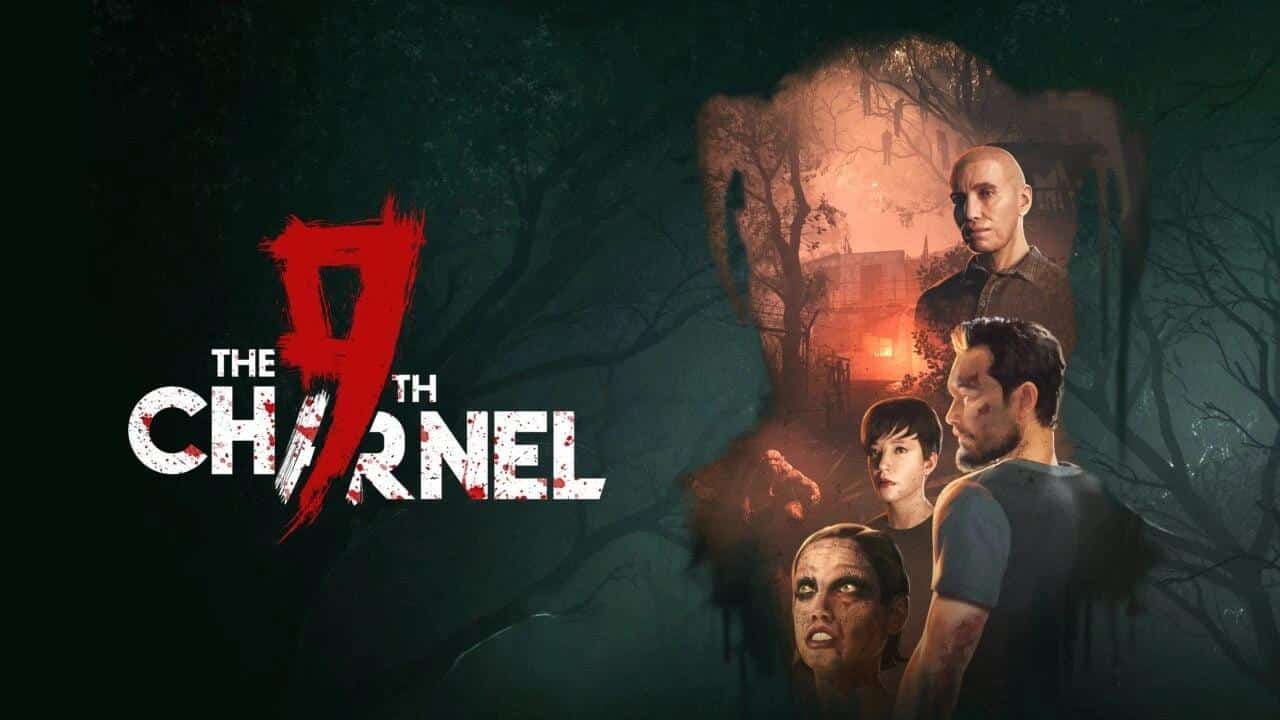
The cult at the centre of it all is chasing a higher state through human experiments. Their “Charnels” are altered people, pushed past the point of being recognizable. Notes, recordings, and cutscenes slowly explain how the group moved from theory to live trials. Over time the valley turns into a closed world for their work. I liked that a lot of the story comes from things you read and small details in the environment. It is not just long speeches.
You also play as Jacques, a father walking through a house that clearly holds something ugly in its past. His chapters stick closer to conversations with his daughter and short, unsettling moments that mirror what you see as Michael. When their stories finally meet, the game spells out how this family ties into the cult and the Charnels. It also pushes harder into religious themes around guilt and forgiveness.
For me, the early mystery works better than the payoff. The build up around the cult, the valley, and the experiments kept me interested. Once the game starts spelling out its spiritual angle near the end, it feels a bit heavy and on the nose. There are also a lot of unskippable cutscenes. If you fail a tricky stretch, you can end up watching the same speech more than once. Even with that, I liked how strange and specific this story is. I wanted to see where it would go.

Creeping Corridors And Puzzle Work
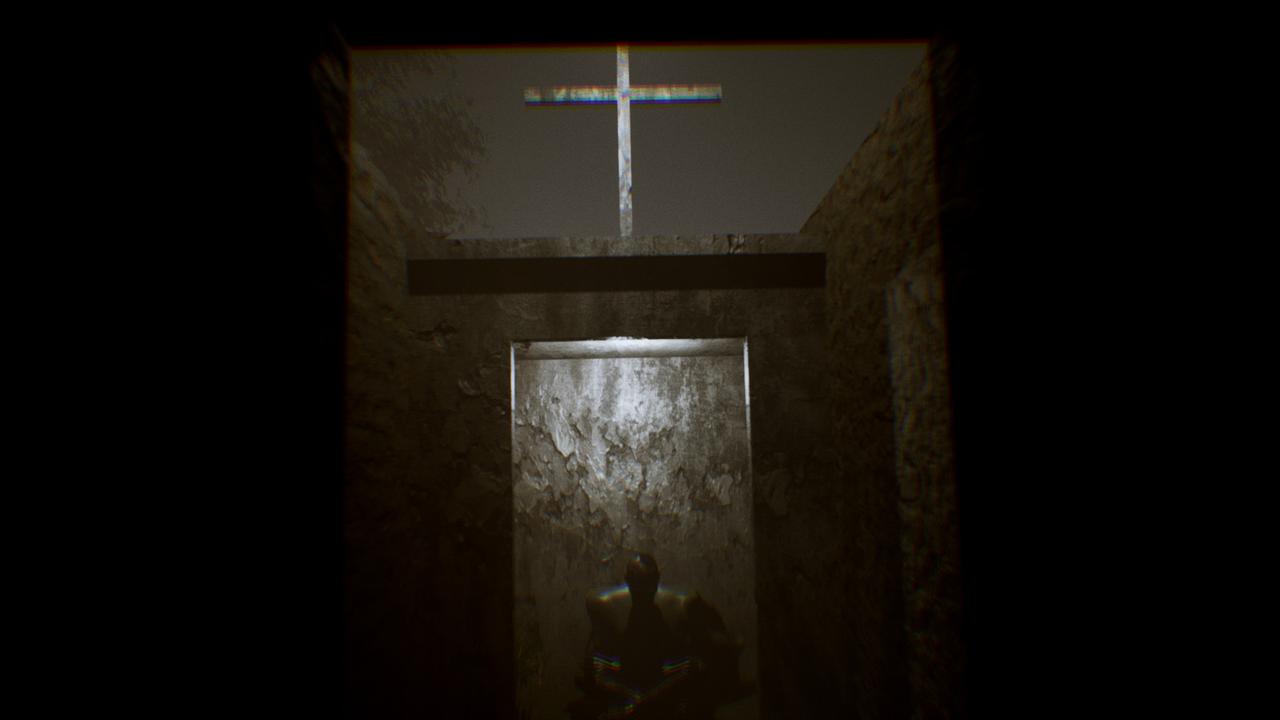
Most of your time in The 9th Charnel is spent walking first-person corridors and small outdoor paths. You check every side room for items and puzzle pieces. Early areas stay pretty narrow, with rooms that hide keys, valves, fuses, or notes. Progress usually comes from opening a shortcut or unlocking the next gate. You loop back through places you cleared a few minutes earlier, now with new threats in mind.
Puzzle work starts simple and gets trickier as you move deeper into the valley. At first you just grab a wheel for a gate or three fuses for a locked door. Later puzzles ask you to read notes, match symbols, line up tiles, or spot markings on walls that point to the right answer. A couple of tile puzzles hit a nice middle ground where you stop and stare at the board for a bit. It feels good when everything finally falls into place. I liked that puzzles push you to notice details in the environment instead of only matching icons on a menu.
Stealth is where things start to wobble. Early on you have no way to fight back. Big creatures send you scrambling for beds and lockers. Medkits heal only a small slice of your bar, and larger enemies can knock that off in one or two hits. That setup should make every patrol feel dangerous. In practice, stalker enemies sometimes let you slide into a hiding spot right in front of them. They then wander back to their route as if nothing happened. Getting caught still hurts, especially if you snag on parts of the level, but it rarely feels like you were outplayed.
Guns show up later, and that shift does not help the game. You eventually pick up a pistol and a shotgun, yet many enemies soak up a surprising number of shots before they drop. Combat feels stiff and repetitive. That is especially true once the game starts funnelling you down long hallways with fewer puzzles to break things up. I often wished it had stuck with hiding and puzzle solving. Pushing toward clunky shootouts near the end does the game no favours.
Concrete Shells And Haunted Voices
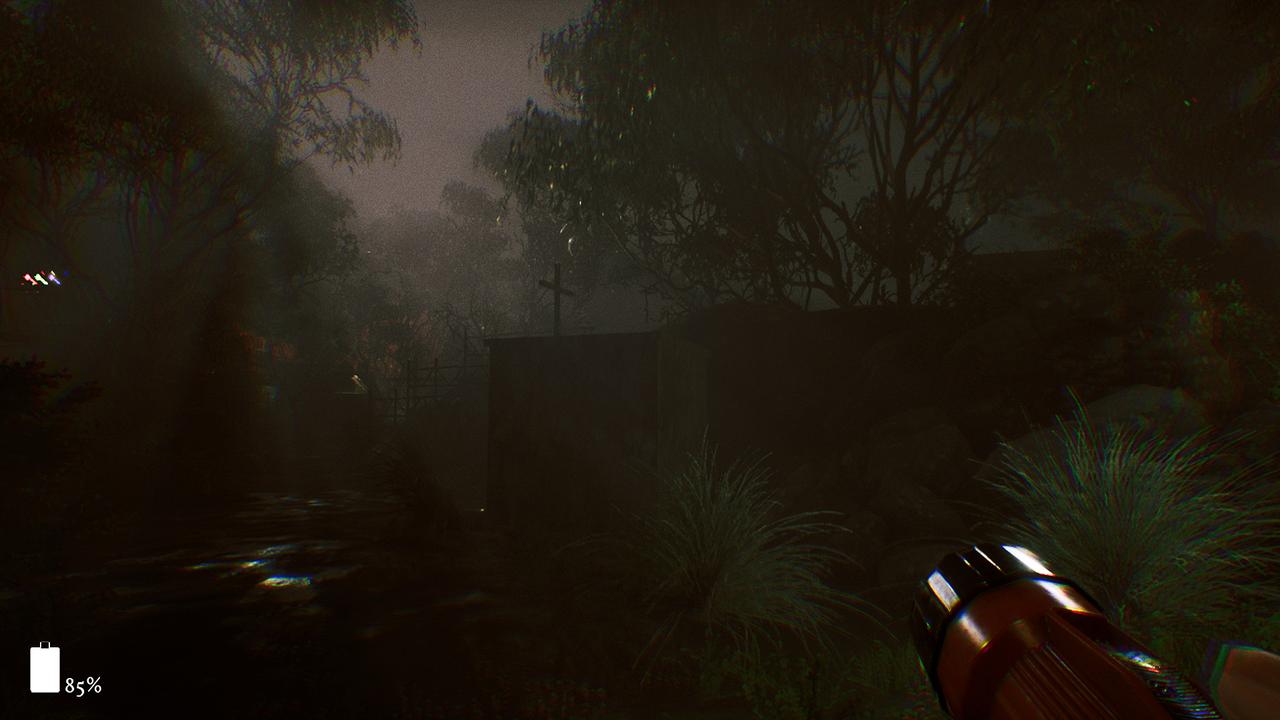
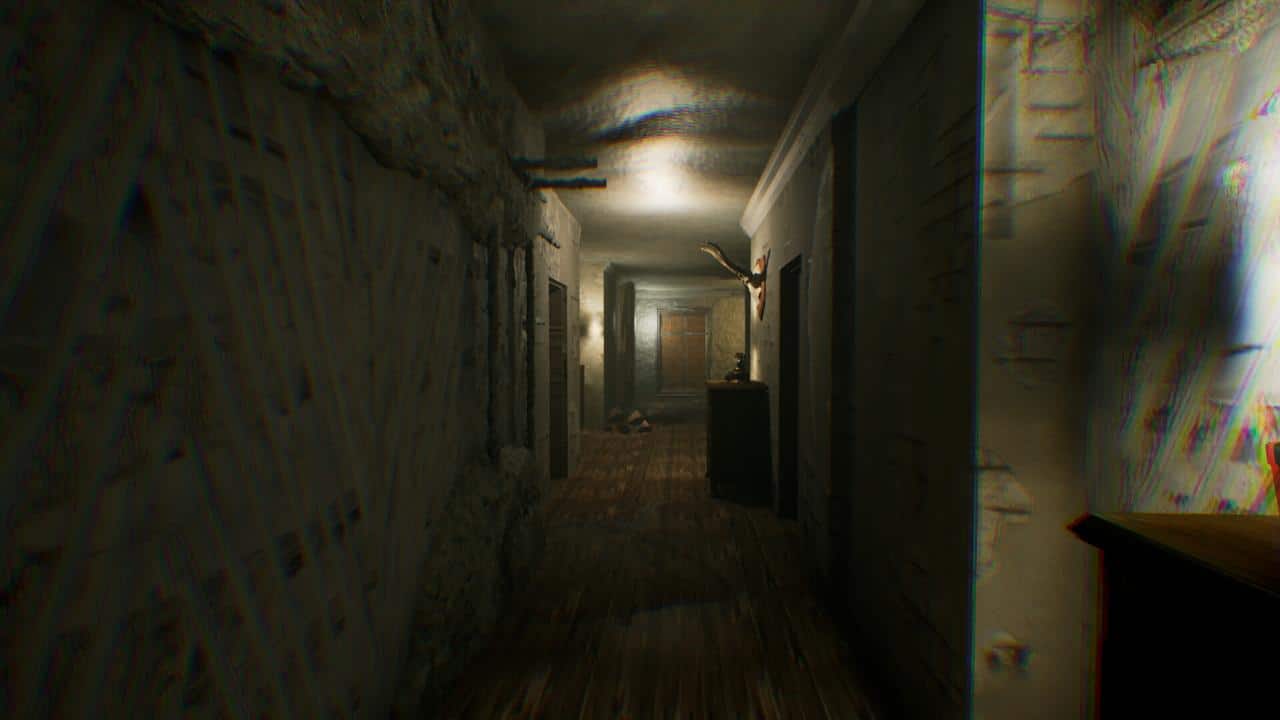
The 9th Charnel uses its locations as a big part of the horror. Construction yards, narrow maintenance tunnels, and small office blocks all share the same unfinished concrete look. There is enough clutter to sell the idea of a project that stopped partway through. Tools left on carts, papers across desks, and half-packed rooms give the sense that crews walked away mid shift.
You also hit a few stronger visual scenes that break up all the grey. Ritual chambers covered in symbols and tree lines lit by hanging shapes change the mood in clear ways. The family home in Jacques’ chapters adds a different kind of unease. These spots help the game come across as more than one long work site. Even with repeated corridor layouts, I rarely got completely turned around. Main routes are usually hinted at with lighting or props.
Character work does not reach the same level. Faces have a plastic shine, lip sync drifts away from the words, and body movement can look stiff. Cutscenes often push the camera in close during serious speeches. That makes every awkward blink and mouth shape easier to notice. When the story relies on a big reveal and the person on screen barely changes expression, it can pull you out of the moment.

Sound design sits somewhere in the middle. Ambient effects fill areas with wind, creaks, and distant rumbles, so walking around rarely feels completely calm. The music mostly stays in the background. It rises when you are spotted or when something important kicks off, then drops back once things settle again. I did not remember specific tracks after playing, but they matched the mood well enough while I was in it.
Enemies and voices are more mixed. Some creature sounds stay harsh if you fail the same chase a few times in a row. There is also a loud musical stretch early on that got old fast. Voice work ranges from strong delivery on central characters to lines that sound closer to a first recording pass. I never reached for the mute button. Even so, weaker lines and sudden volume jumps showed up just as often as the good moments.
The 9th Charnel Works Best As A One-Off Cult Horror Experiment
By the time the credits rolled, I liked some parts of The 9th Charnel a lot more than others. It has a cool cult setup, a strange valley full of bad secrets, and a second storyline that slowly locks into place. When the story focuses on experiments, faith, and regret, it works well enough that I wanted to see how it all came together.
Moment to moment, the most reliable parts are exploration and puzzle solving. Hunting for keys, checking notes, and working through tile and logic puzzles gives you something solid to latch onto between cutscenes. When a puzzle finally comes together and the answer falls into place, it scratches the same itch as older survival horror games.
The problems stack up on the horror side. Enemy behaviour swings between scary and silly. Hiding spots can feel too safe. Gunfights later on are stiff and dragged out. Character animation and close-up cutscenes take the edge off a few big reveals. Sound effects and voice work swing between effective and distracting. Unskippable scenes also make retries harder to swallow than they should be.
If you want a shorter horror game with cult themes and a real focus on puzzles, The 9th Charnel might still be worth trying. You just have to be ready for awkward stealth and clumsy shooting along the way. For me, the story hooks and puzzle work were just strong enough to pull it over the line as a curiosity worth playing once.
The 9th Charnel
Summary


The 9th Charnel is a short cult horror game where you work your way through half-built sites in a closed-off valley, hiding from brutal stalkers and solving tile and logic puzzles that call back to older survival horror. Clumsy enemy behaviour, stiff gunfights, and flat cutscenes hold it back, but if you enjoy smaller indie horror projects with strong puzzle work, it is still worth seeing through once.
As always, remember to follow us on our social media platforms (e.g., Threads, X (Twitter), Bluesky, YouTube, and Facebook) to stay up-to-date with the latest news. This website contains affiliate links. We may receive a commission when you click on these links and make a purchase, at no extra cost to you. We are an independent site, and the opinions expressed here are our own.