


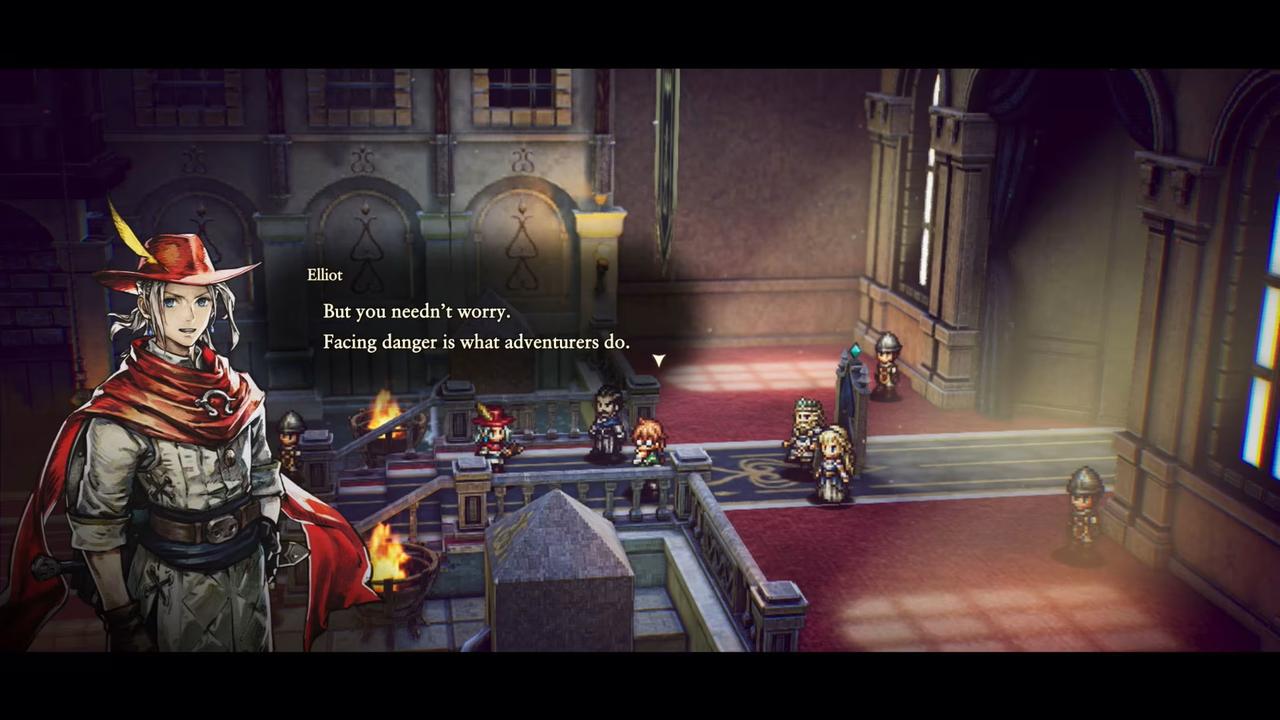
The Adventures of Elliot: The Millennium Tales didn’t win me over just because it looks like a classic Square Enix RPG. I really started enjoying it once I was blocking hits, swapping weapons mid-fight, and using Faie to get through rooms Elliot couldn’t handle on his own.
Elliot and Faie leave Huther on a journey across four ages to fulfill a thousand-year mission. The premise has that large-scale fantasy RPG feel, but the story scenes don’t always hit as hard as the combat and exploration. I had a better time with the fights, short dungeons, magicite upgrades, and the way Faie changes how you explore.


The Four-Age Story Starts Stronger Than It Finishes
The Adventures of Elliot: The Millennium Tales starts with Huther as one of the few safe places left in a dangerous world. Elliot’s trip beyond the kingdom turns that opening premise into a journey through four ages, with the ruins acting as the doorway into the larger threat. It’s a clean start for an action RPG with dungeons, side quests, and secrets spread across different eras.
Time travel worked better for me as an exploration tool than as the main reason to care about the story. Some areas open differently depending on the age. Fast travel between eras lets you revisit locations with new context, and certain quests push you to think about where a problem started rather than only where it ends. Side quests also add more to Huther and the surrounding world because some of them connect back to the main threat instead of sitting off to the side as checklist work.
The story is where I wanted more. Elliot has a clear reason to leave Huther, and The Adventures of Elliot: The Millennium Tales points toward multiple endings and a true ending, but I didn’t feel as attached to Elliot’s journey as I wanted to. A kingdom trying to survive across a thousand years should hit harder than it does here.
Repetition can creep in as well. Returning to earlier locations across different ages is part of the time-travel idea, but the enemies and paths don’t change enough every time to make those return trips exciting. The dungeons are short enough to avoid dragging, and the puzzles are clear, but I kept wanting the time-travel idea to change more of what I was doing from room to room.
Gameplay Brings Combat, Faie, And Magicite Together
The Adventures of Elliot: The Millennium Tales reminded me of older top-down Zelda games pretty quickly. I was exploring dungeons, solving room puzzles, finding paths forward, and fighting enemies in real time. The difference is that Elliot has weapon swaps, parries, Faie’s support abilities, and magicite upgrades pushing the combat in its own direction.

You are not just clearing rooms or walking to the next marker. You are picking weapons, watching stamina, moving Faie into position, and collecting materials that change how Elliot fights later.
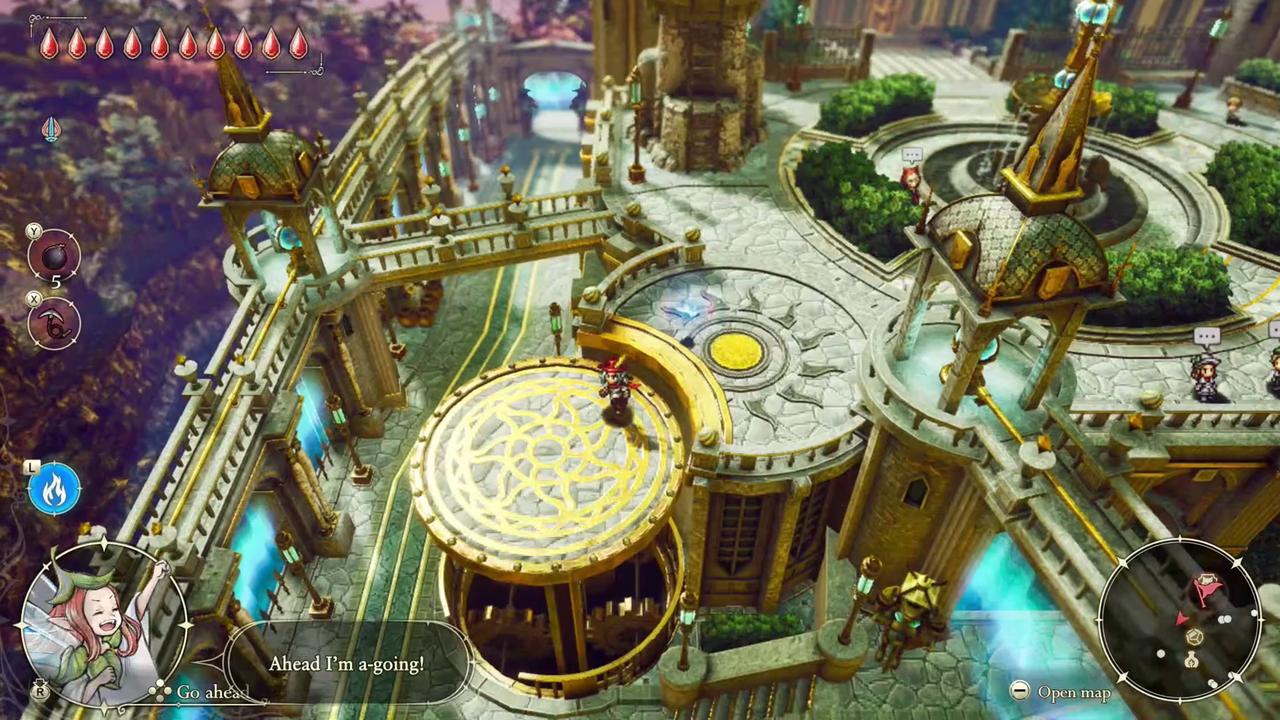
Parries And Weapon Swaps Drive The Combat
Elliot can equip up to two weapons at once, so you have to think about what you are bringing into each fight. There are seven weapon types, and each one changes your options in a fight. Swapping between close-range weapons, ranged attacks, bombs, and the chain scythe changes how you approach enemies. Each weapon has a normal attack and a charged attack, so swapping is not just about damage numbers. It changes your reach, timing, and safety.
The shield is just as important as the weapons. Blocking absorbs incoming hits until stamina runs out, and a well-timed parry can send damage back or stun an enemy long enough for Elliot to answer. Normal difficulty punishes careless swings, so I found the combat more convincing when I slowed down, watched the enemy animation, and picked the right answer instead of rushing in with the same attack pattern.
The combat is familiar, but I didn’t feel like I could turn my brain off and mash through every room. I had to watch enemy timing, pick the right weapon, and decide when it was safe to push for a cleaner fight. Enemy chains also add a small risk-and-payout layer because defeating enemies without taking damage increases future drops. Currency, magicite, and magicite shards all feed back into progression, so cleaner fights actually change what you can upgrade later.
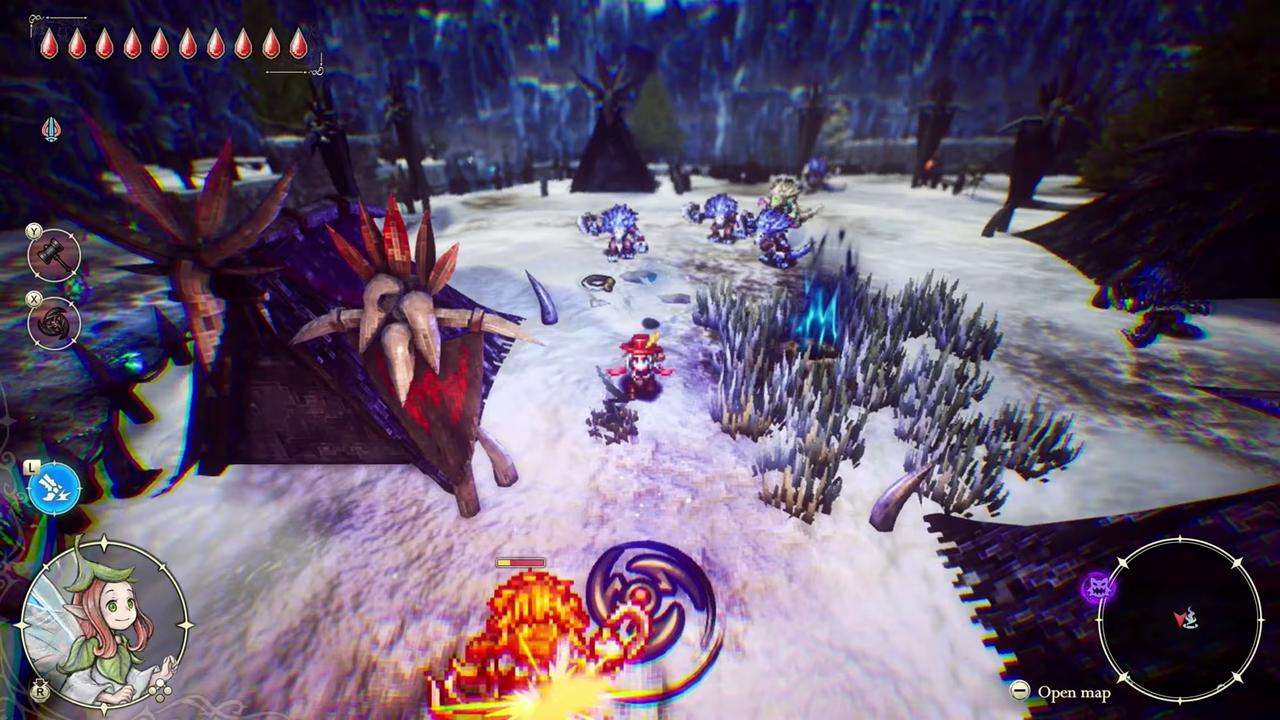
Faie Changes Dungeon Exploration
Dungeons are more interesting when Faie becomes part of the solution instead of just following Elliot around. Moving mirrors, changing water levels, lighting objects, and reaching hidden areas all work because you’re managing Elliot’s position and Faie’s movement together. That is the part of The Adventures of Elliot: The Millennium Tales that sells the partnership best. Faie isn’t only there to explain the next step. She becomes part of the way you solve a room.
Faie usually acts on her own, but the fixed camera lets you control her directly with the right stick. That small control detail changes how you move through the world because Faie can interact with spaces Elliot can’t handle alone.
Her abilities cover both fighting and exploration. She can turn into flame to light lanterns or damage enemies that touch her. She can wrap Elliot’s feet in wind so he can sprint away from danger or cross ground faster. Later abilities expand that support role even further, including a doppelganger that mirrors Elliot’s movement and actions.
I was also glad to see a menu option to reduce companion chatter. Faie is useful, but she talks a lot, and that setting keeps her from taking over longer exploration stretches.
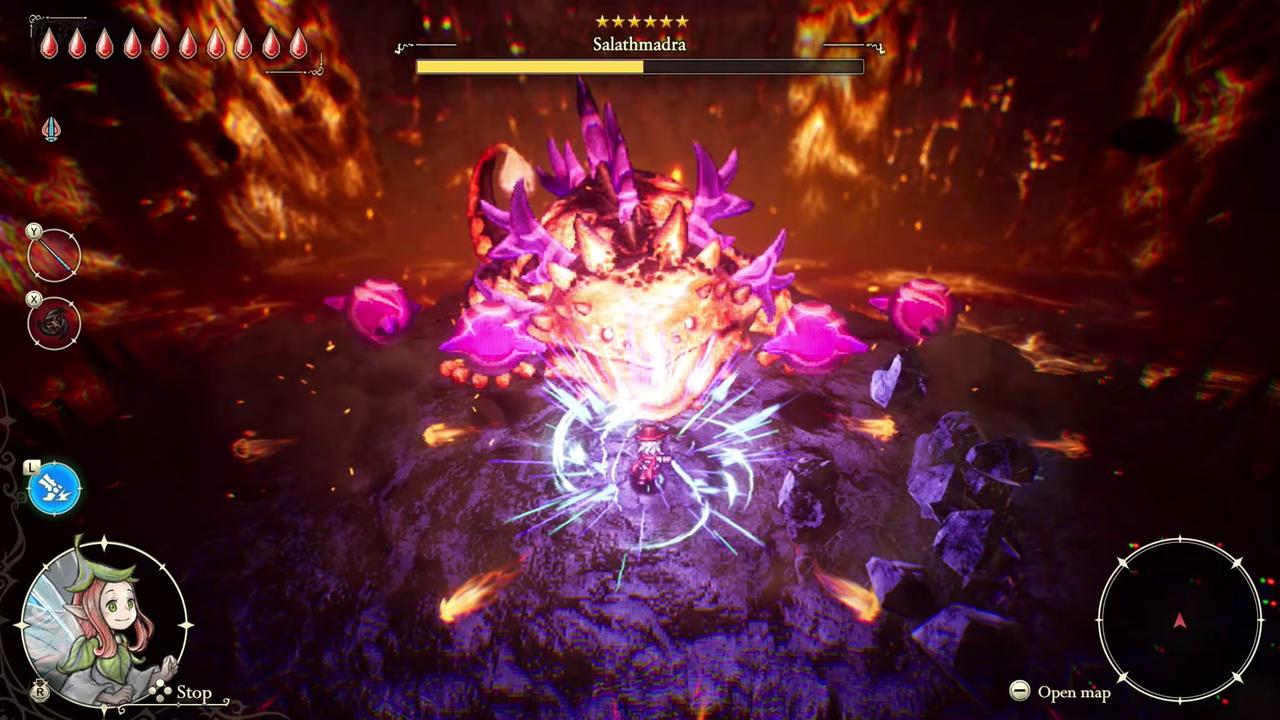
Magicite Makes Weapon Choices Matter More
The Adventures of Elliot: The Millennium Tales skips traditional experience points and level grinding. Progression runs through magicite instead. Magicite shards can be purified into weapon augmentations, and those crystals add specific effects to Elliot’s equipment.
That choice fits the combat because upgrades stay tied to what you actually use. Some crystals change weapon behaviour directly, while others add elemental effects or make certain attacks more useful in specific situations. Duplicate crystals can also be traded back into shards, so unused upgrades still have value.
Magicite makes weapon choice more deliberate. You are not only picking a sword because it is fast or a hammer because it hits harder. You are also picking the bonuses attached to that weapon and deciding whether they make sense for the next fight.
Magicite bonuses are not endlessly stackable, which keeps the upgrade path from becoming a runaway power fantasy. I liked that restraint. Elliot improves over the adventure, but The Adventures of Elliot: The Millennium Tales still expects you to block, parry, choose targets, and use Faie properly. Stronger gear won’t save a careless approach on its own.
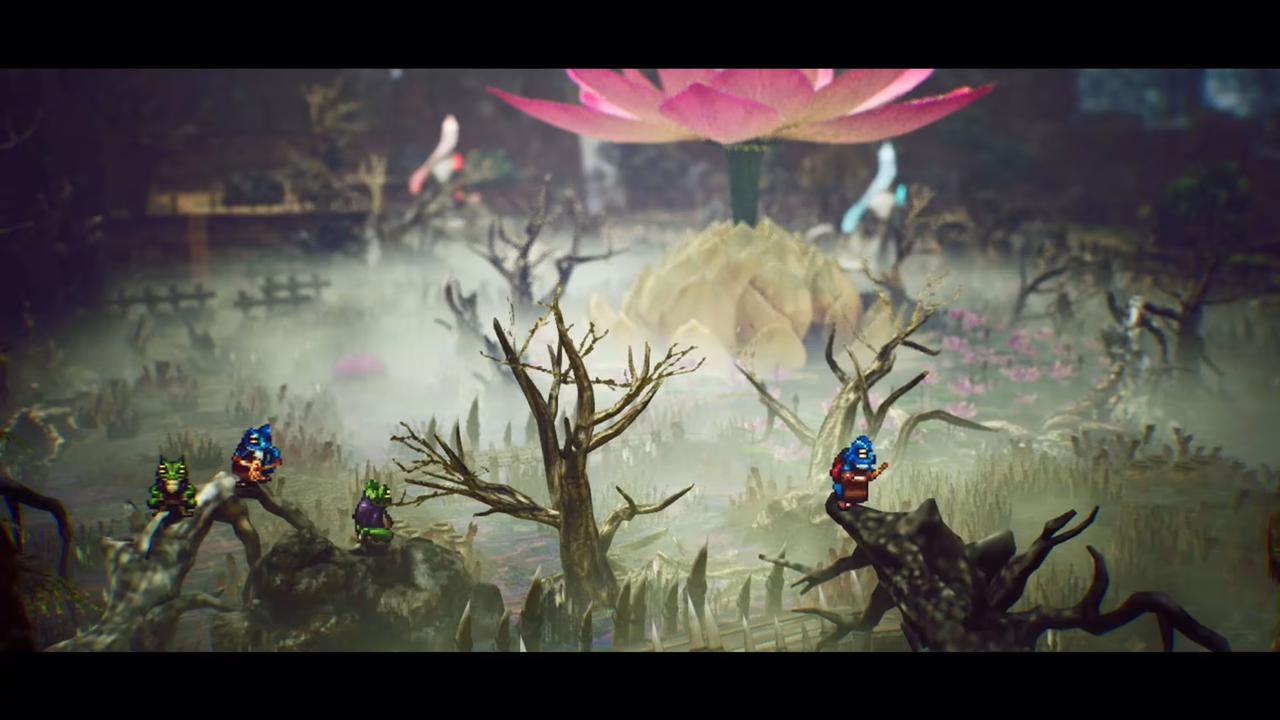
Performance Holds Up Better In Combat Than Travel Menus
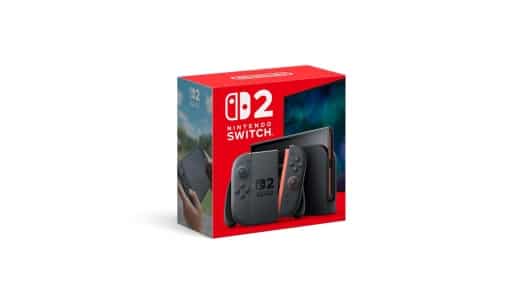
The Nintendo Switch 2 version of The Adventures of Elliot: The Millennium Tales works well as a handheld action RPG. It is easy to finish a side quest, explore a dungeon floor, or make progress without sitting down for a long time. That format fits because the adventure often moves in smaller chunks instead of long dungeon crawls.
Nintendo Switch 2 handles the action better than the menus. Blocking, parrying, charged attacks, and Faie control all need quick feedback, and that side of The Adventures of Elliot: The Millennium Tales holds up. The slower moments come when you open the world map or switch between eras. Those pauses are not a dealbreaker, but I noticed them when I was trying to move quickly between objectives.
That is why the map delay stood out to me more than the combat performance. With the Nintendo Switch 2 version, the main technical drawback is the delay around maps and era switching. The fights are not the problem. The pauses around maps and era switching are much easier to notice.
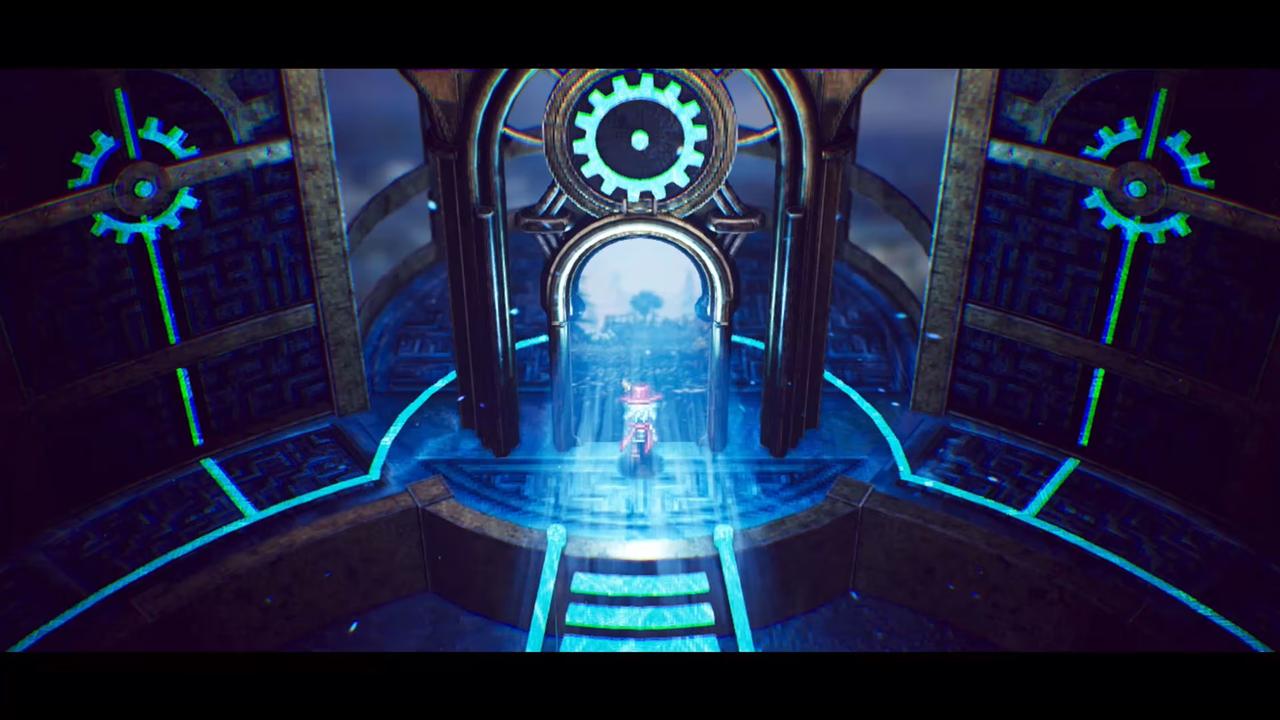
The Adventures of Elliot: The Millennium Tales Builds A Better Fight Than Story
I’d recommend The Adventures of Elliot: The Millennium Tales for action RPG fans who want combat, dungeons, weapon growth, and exploration. If you’re coming in mainly for the story, that side of the game doesn’t hit as hard. It takes familiar top-down adventure pieces and builds its own identity around them. Faie, magicite, parries, and four-age exploration help The Adventures of Elliot: The Millennium Tales feel like more than just another Zelda-inspired action RPG.


The Adventures of Elliot: The Millennium Tales isn’t trying to reinvent the top-down action RPG. The safer story choices and repeated enemy encounters hold it back from feeling as memorable as its HD-2D presentation first suggests. Still, I kept coming back to the actual act of playing. Blocking a hit, answering with the right weapon, sending Faie into position, and turning a clean fight into better upgrade materials is where Elliot’s adventure works the way it should.
On Nintendo Switch 2, I liked how easy it was to make progress without sitting down for a long time. I could finish a side quest, push through a dungeon floor, or work toward another upgrade. Even in shorter play stretches, I still felt like I was making real progress. The action feels responsive, and the shorter quest structure fits handheld play. The map and era-switching delays are still annoying, and I wish the story made better use of its thousand-year idea.
I came in expecting the HD-2D style to be the thing that stood out most. By the end, it was the combat loop, Faie’s role in exploration, and the magicite upgrades that gave me more reasons to keep going. I had a better time with The Adventures of Elliot: The Millennium Tales when it focused on combat, dungeons, Faie, and magicite upgrades. The Zelda influence is clear, but the fights and Faie’s role give the game more of its own personality. I just wish the story took the same chances as the combat.
The Adventures of Elliot: The Millennium

Summary
The Adventures of Elliot: The Millennium Tales looks like a classic Square Enix RPG at first, but its combat, Faie abilities, and magicite upgrades are what kept me going. The Zelda influence is clear in its top-down dungeons and puzzle rooms, but weapon swaps, parries, and Faie’s role in exploration help give it its own identity. The story doesn’t hit as hard as its thousand-year premise should, and there are some noticeable map and era-switching delays, but this is still a fun action RPG with a satisfying combat loop.
As always, remember to follow us on our social media platforms (e.g., Threads, X (Twitter), Bluesky, YouTube, and Facebook) to stay up-to-date with the latest news. This website contains affiliate links. We may receive a commission when you click on these links and make a purchase, at no extra cost to you. We are an independent site, and the opinions expressed here are our own.