



The Legend of Heroes: Trails Beyond the Horizon arrives at a turning point for Falcom’s long-running RPG series. After years of interconnected arcs and deliberate pacing, this entry brings several ongoing threads together while continuing the Calvard storyline introduced in the Daybreak games. It’s immediately clear this isn’t meant as a reset or an easy starting point. This is a game that moves forward with the series as it stands, drawing directly from what’s come before.
Beyond the Horizon is at its strongest when it stays focused on its characters. Bringing together three protagonists from different parts of the series gives the story a broader emotional range, and seeing familiar faces interact in new ways often carries the experience. Even when the plot slows down, the cast helps ground the larger mystery in moments that feel personal rather than abstract.




At the same time, Trails Beyond the Horizon is very comfortable with its established approach. The pacing and story structure will feel recognizable to anyone who’s spent time with the series, and that familiarity cuts both ways. When the execution lands, the game delivers some of its most rewarding stretches. When it doesn’t, those familiar patterns become easier to notice. It sets the tone for an entry that rewards long-term investment, while quietly hinting that the series may be nearing a point where change matters more than small refinements.
Crossing Paths Under Calvard’s Skies
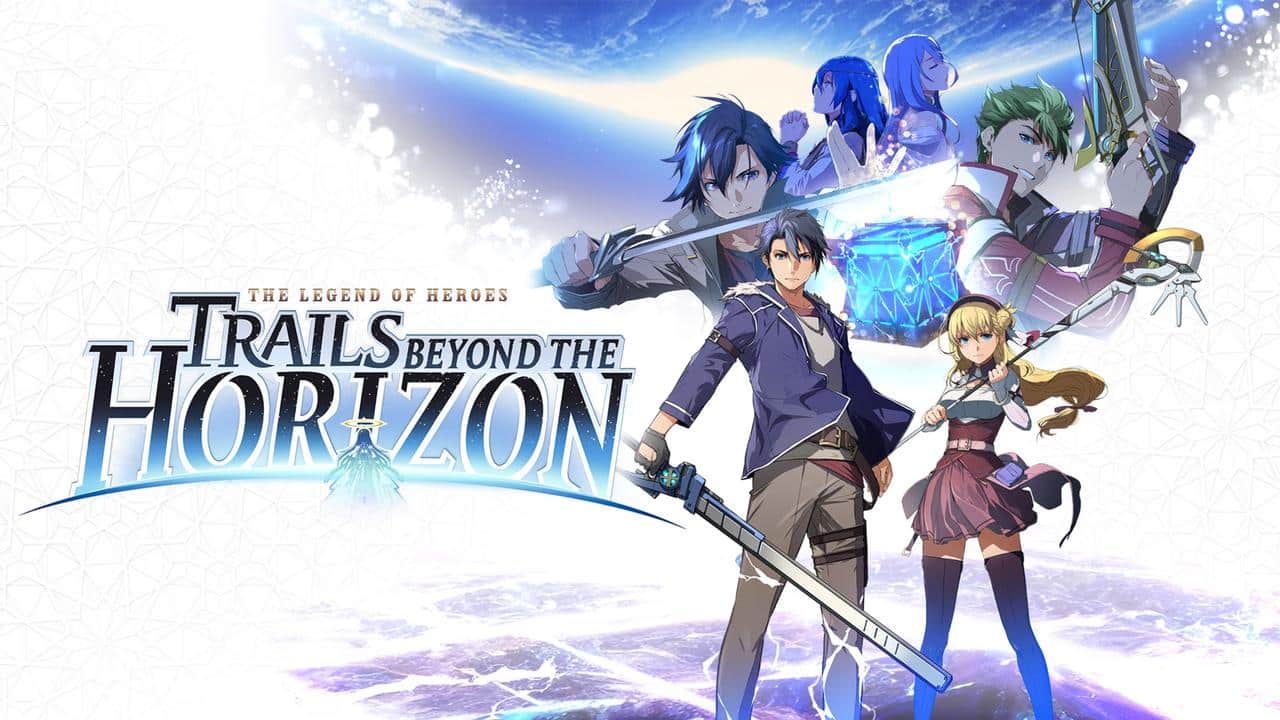
Trails Beyond the Horizon is built around three parallel storylines, each led by a different protagonist. Van Arkride returns from the Daybreak games as the central anchor, while Rean Schwarzer and Kevin Graham step back into the spotlight from earlier arcs. Rather than rotating perspectives for novelty, the game uses this structure to show the same unfolding crisis from very different angles, with each route focusing on its own priorities, locations, and supporting cast.
Van’s storyline spends more time on the ground level, dealing with public reactions, missing persons, and growing tensions tied to Calvard’s space program. It moves at a slower pace early on, taking time to re-establish the setting and catch up with familiar characters. That slower opening can feel deliberate, but it also gives the world room to breathe and reinforces how much has changed since the previous entry.
Three Perspectives, One Unfolding Crisis
Rean’s route shifts the focus toward larger institutions and political undercurrents. His perspective feels more measured and reflective, shaped by everything he’s already been through. Kevin’s storyline takes a different approach altogether, centring on a more contained and secretive mission that gradually reveals its importance. The game is careful not to reveal too much too quickly, allowing each route to build tension in its own way before the threads begin to converge.
Where this structure works best is in how it highlights character relationships. Seeing these three leads interact with new and familiar allies gives weight to long-running arcs without relying on constant exposition. At the same time, dividing the narrative across multiple routes affects momentum. Some sections move quickly and deliver major developments, while others take longer to reach their payoffs. The result is a story that rewards patience and familiarity with the series, even as it occasionally asks the player to wait longer than expected for key moments to land.

A Familiar Fight With Sharper Edges
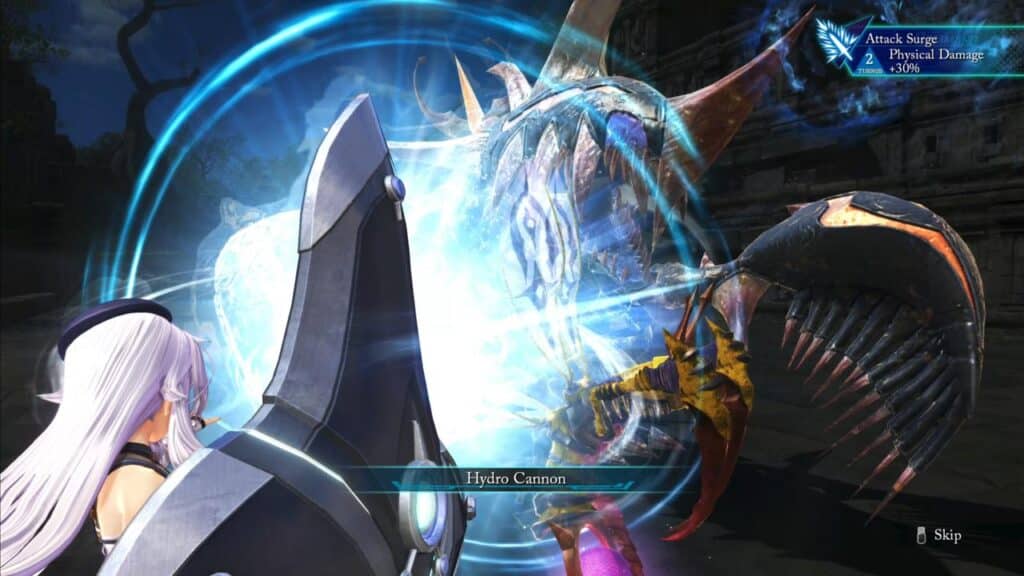
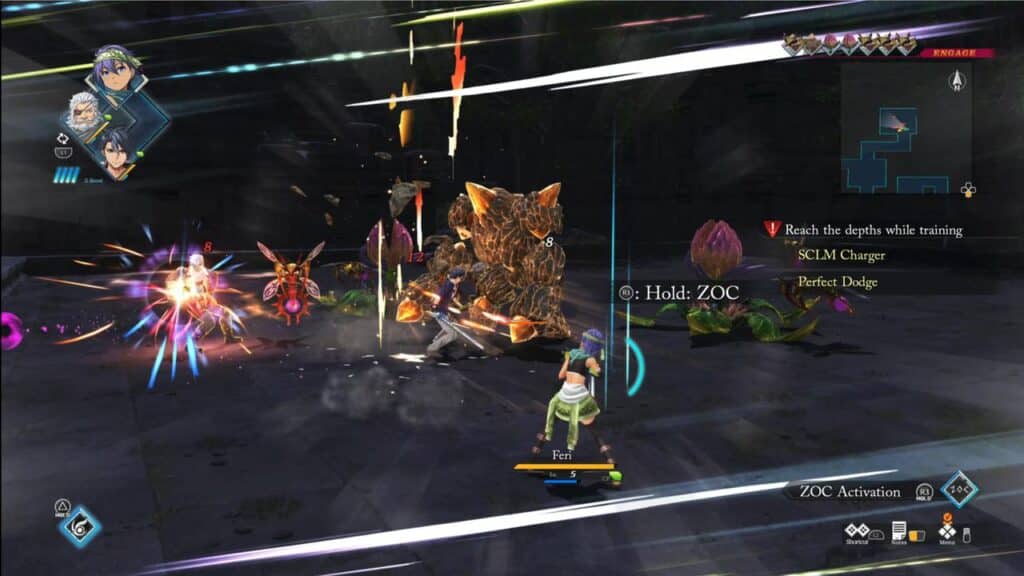
Trails Beyond the Horizon continues the hybrid combat approach introduced in the Daybreak games, blending real-time action with traditional turn-based battles. Encounters usually begin in the field, where you can move freely, attack enemies directly, and build momentum before deciding whether to shift into turn-based combat. This structure helps keep routine encounters moving while reserving deeper strategy for moments that call for it.
The action side remains straightforward but responsive. Dodging, positioning, and timing attacks matter, especially when dealing with groups of weaker enemies. New and returning mechanics like ZOC and character awakenings add more flexibility, letting you slow the pace of combat or push through tougher enemies without immediately transitioning into turn-based battles. These additions don’t radically change how the system works, but they do smooth out its flow and reduce time between encounters.
Turn-Based Depth and Party Builds
Turn-based combat is where the system still feels most deliberate. Positioning, turn order, and ability timing play a meaningful role, and the option to switch combat styles at any point creates room for tactical decisions. ZOC carries over here as well, allowing for back-to-back actions that can swing a fight when used carefully. It’s a familiar setup, but one that continues to feel reliable and flexible rather than stale.
Character builds remain a major part of the experience. Equipment, orbment setups, and skill choices allow each party member to fill different roles, encouraging experimentation as the roster expands. With such a large cast available over the course of the game, the system supports a wide range of play styles without forcing constant re-optimization.
Overall, Beyond the Horizon doesn’t reinvent combat, but it refines what the Daybreak entries established. The back-and-forth between action and turn-based combat keeps things moving, especially over longer stretches, and the newer mechanics give you more ways to take control without turning every fight into a system check.
A Consistent Look Across Calvard
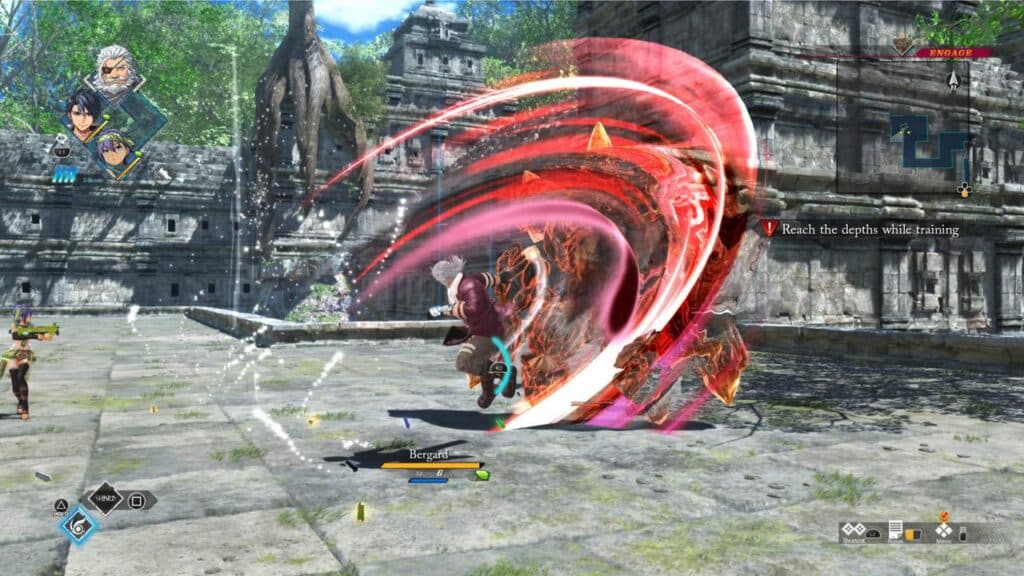
Trails Beyond the Horizon looks consistent with the recent Daybreak games, sticking closely to the visual style Falcom has been refining across the Calvard arc. Character models, environments, and animations all benefit from Falcom’s continued refinement of its engine, even if the overall visual style doesn’t dramatically push beyond what the series has already established.
Cutscenes are where the game comes together most clearly. Important scenes are easy to follow, and special attacks land with enough impact to make fights feel satisfying. In slower stretches, small details like facial expressions and character movement do a lot of the work, which helps when so much of the game revolves around conversations and character interactions.

Away from the story-driven scenes, the world is easy to navigate and doesn’t fight you. Towns and dungeons are laid out clearly, and even when areas feel familiar, NPC activity and small environmental details help keep them feeling active.
Audio holds up well throughout the game. The soundtrack fits naturally during investigative sections and story scenes without ever taking over, and the voice work helps give the cast a lot of personality. Not every line is voiced, but it feels like a sensible balance given how much dialogue there is, and returning characters sound settled into their roles.
Overall, Beyond the Horizon stays in line with how the series already looks and sounds, and nothing feels distracting or out of place while you’re playing.
The Legend of Heroes: Trails Beyond the Horizon Pushes Toward the Endgame While Playing It Safe
Trails Beyond the Horizon feels very aware of where it sits in the series. It doesn’t try to ease you back in or explain itself all over again. Instead, it keeps moving forward with the characters, conflicts, and gameplay that have been building for years, and it expects you to be along for that ride.
That works in its favour more often than not. The character work is still the main draw, and seeing Van, Rean, and Kevin share the spotlight feels like a real payoff. Combat stays flexible, and once you settle into the flow, the game handles longer stretches without constantly getting in your way.
There’s also no getting around the fact that some familiarity has started to creep in. The structure and pacing can feel a little too comfortable at times, especially when the story circles around ideas you’ve seen before. It never fully drags things down, but it does stand out in a series that’s been running this long.
Beyond the Horizon delivers what Trails fans expect while nudging the series closer to its larger endgame. It rewards sticking with it, both within this entry and across the wider saga. At the same time, it quietly suggests that the next step forward may need to be bigger than small adjustments. As part of the journey so far, it holds up well and makes you curious about what comes next.
The Legend of Heroes: Trails Beyond the Horizon




Summary
The Legend of Heroes: Trails Beyond the Horizon understands where it sits in a long-running series and builds from there. It brings familiar characters together, keeps combat feeling solid across long stretches, and relies on consistency rather than big shifts. The story takes its time and can feel overly comfortable, but strong character work helps carry things forward. Visually and mechanically, nothing feels out of place while you’re playing. It’s not trying to reinvent Trails, but for players already invested in the series, it feels like a steady step toward what comes next.
As always, remember to follow us on our social media platforms (e.g., Threads, X (Twitter), Bluesky, YouTube, and Facebook) to stay up-to-date with the latest news. This website contains affiliate links. We may receive a commission when you click on these links and make a purchase, at no extra cost to you. We are an independent site, and the opinions expressed here are our own.