


The Occultist had me checking every wall, note, and damaged object on Godstone for something I might’ve missed. The creatures wandering through its buildings never had the same effect on me. I cared far more about what the pendulum revealed about the island than anything stalking it.
I kept going because I wanted to understand Godstone, not because I feared what was inside it. Its paranormal puzzles and abandoned locations kept me curious, even when finding my way back through an earlier building became frustrating. The Occultist is for horror fans who enjoy searching for clues and working through environmental puzzles more than fighting or surviving long chases.



Alan’s Search Opens Up Godstone’s Past
Alan Rebels travels to Godstone after his father disappears. His father was born on the British island and spent part of his childhood there, making this more personal than one of Alan’s usual paranormal investigations.
Godstone was once home to a cult tied to occult rituals and supernatural experiments. Notes and details left throughout the island gradually explain what happened to its residents and how Alan’s family became connected to it. The game shares that information in small pieces, so the mystery continues to change as Alan explores another building or uncovers a new clue.
I became more invested in Godstone than in Alan’s relationship with his father. The family connection explains why he’s there, yet his repeated dialogue and flat delivery create distance from what should be a personal search. I understood more about the island’s history than I did about Alan’s feelings toward the person he came to find.
The short length keeps the background from becoming overwhelming. Expect roughly six hours for the main story, depending on how long the puzzles hold you up. That pace leaves little space for some of the supernatural ideas introduced near the end, and the conclusion arrives quickly once the central mystery comes together. I wanted a little more time with the outcome. After spending the entire game uncovering Godstone’s past, the closing stretch ends before Alan’s side of the story has much room to breathe.
Pendulum Puzzles Shape The Investigation
Alan’s pendulum changes what he can discover inside Godstone’s buildings. It can expose details hidden from normal view or restore an object so its original purpose becomes clear. Those abilities make the supernatural side of the story part of the puzzle solving rather than something kept in cutscenes and notes.

Information found earlier can become useful much later, which makes Alan’s journal important. It records the clues he’s collected and provides a place to check details before returning to a puzzle. I got into the habit of opening it whenever Alan added something new because an earlier piece of information could suddenly make more sense.
Most puzzles are easy enough to understand once you’ve found everything required. They suit the investigation and usually connect to the building or event Alan is studying. Experienced puzzle fans may work through several of them quickly, but I’d rather have an answer come together naturally than be held up by a riddle that doesn’t belong in the surrounding location.
Some Pendulum Powers Barely Return
A raven can interact with objects Alan can’t reach himself, and controlling rats can clear the way through certain areas. Both powers change how Alan deals with an obstacle. Neither becomes a regular part of the game.
Most puzzles return to uncovering hidden details or changing an object through time. Those abilities fit naturally into the investigation, yet I kept waiting for the full set of pendulum powers to come together. The game introduces four different ways to interact with Godstone and then relies heavily on only part of that toolkit.
Later puzzles could’ve pushed those abilities further. Instead, the rarer powers disappear for long stretches and return only when a specific situation requires them. The pendulum never becomes as versatile as its early introductions suggest.
Missing One Clue Can Send You Back Through A Building
The harder part of a puzzle often isn’t understanding the answer. It’s finding the object or detail that allows Alan to use it. The journal can confirm what Alan already knows, but it can’t tell you that an important note or symbol was left behind in another part of the building. When progress stops, you may have to check the same corridors and doorways again without knowing whether you missed something or misunderstood the clue.
That happened often enough that searching started to replace deduction. The Occultist teaches you to inspect almost everything, which suits Alan’s job. It also makes ordinary background objects look important because you’ve been trained to expect meaning from the surrounding details.

Checking the journal after each new entry is the best way to keep everything organized. It won’t point toward an object you haven’t found, but it can confirm whether the information you already have relates to the puzzle in front of you.
Finding Your Way Back Can Be Frustrating
Several puzzles send Alan back into places he has already explored. Remembering the general direction isn’t always enough when buildings have similar corridors, connecting doorways, and multiple floors.
Map boards placed around Godstone show Alan’s current position with a red marker. They’re useful when one happens to be nearby. There’s no interactive map to open after leaving them, so returning to an earlier location depends on memory.
A better map would’ve made clue hunting less repetitive without removing the need to explore. I still wanted to search each building carefully. I just didn’t want to lose time trying to remember which doorway led back to a particular part of it.
That frustration continues after the ending. There’s no chapter selection, so anyone who misses a collectible can’t return directly to the relevant location. Starting the entire game again for one or two missed objects is difficult to justify, especially when The Occultist doesn’t change enough on another playthrough to make the search inviting.
Predictable Creatures Weaken The Horror
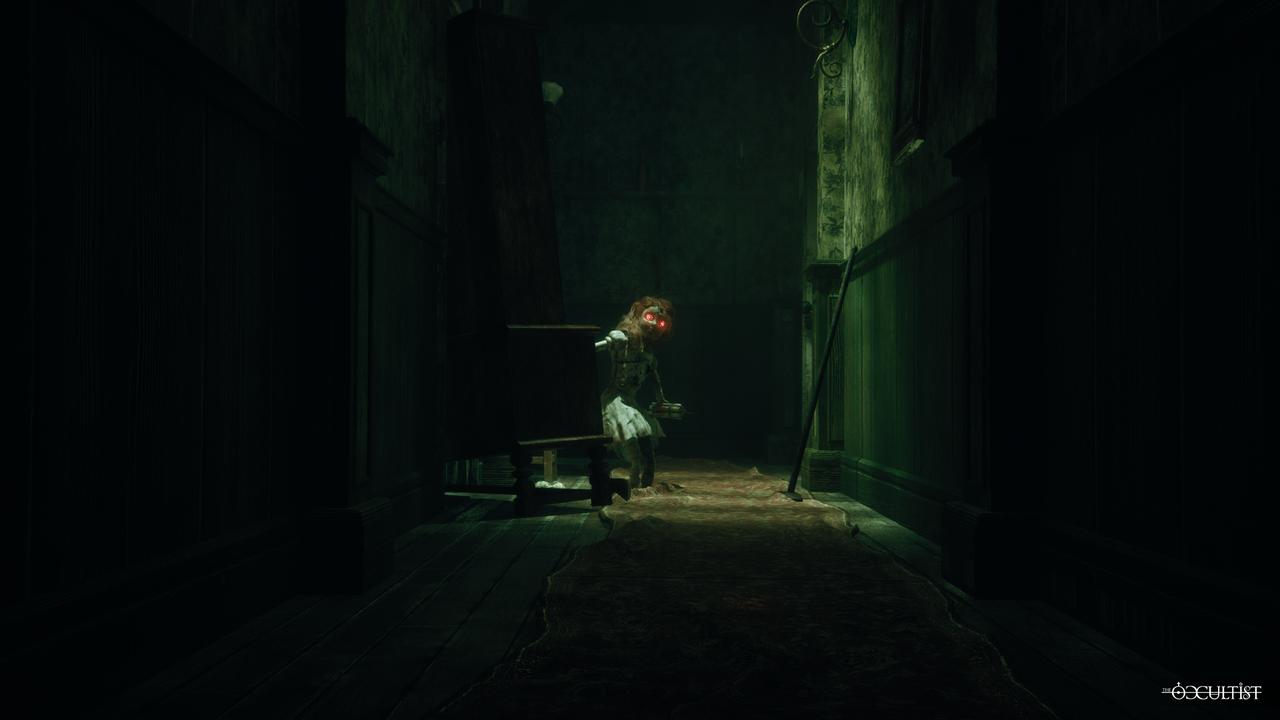
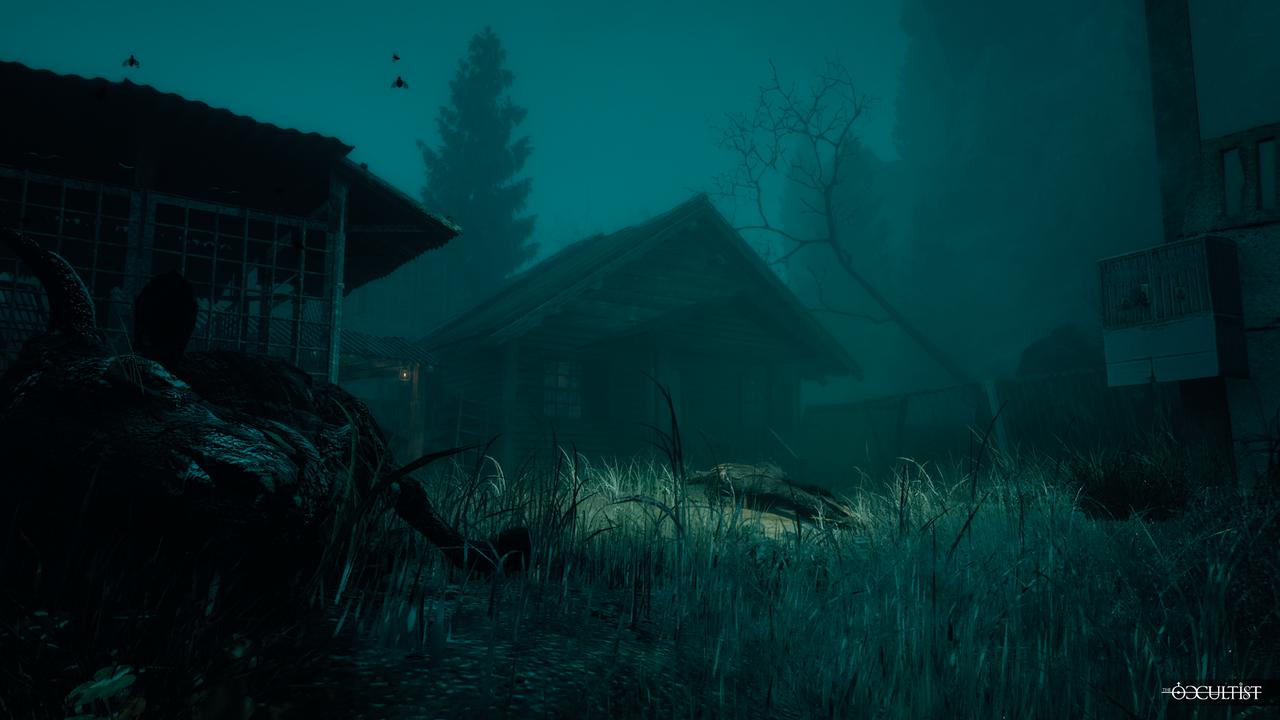
The creatures became easy to understand once I had watched them move a few times. Many encounters only required waiting for an opening and slipping past without being noticed. Alan has no conventional weapon, and the pendulum only affects enemies in specific situations.
Outlast often forces you to run from enemies. The Occultist usually gives you enough time to watch an enemy before slipping past it. That leaves more space for the puzzles, which I appreciated. It also means Godstone’s creatures rarely become as frightening as their surroundings suggest. Once I knew how an enemy moved, much of the fear disappeared.
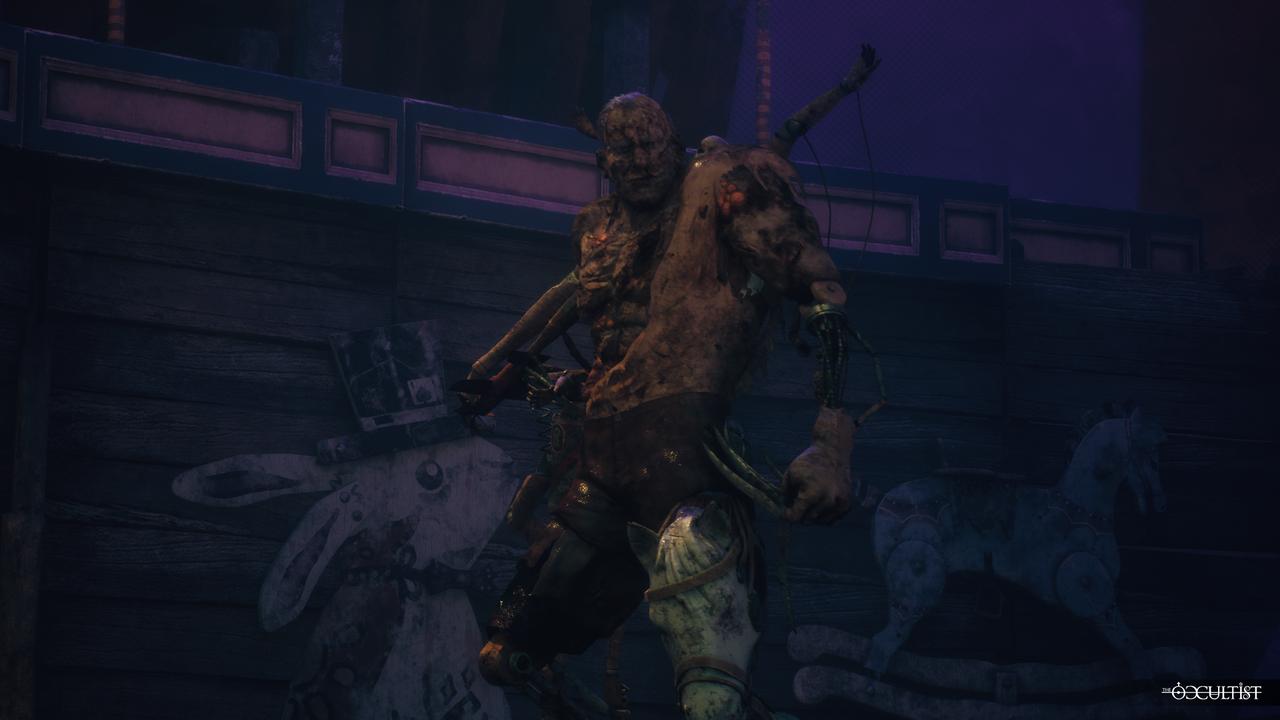
Boss encounters push Alan into more direct confrontations, but his pendulum powers rarely shape how they play out. I was more interested in the clues leading up to each boss than in the fights themselves.
Each Location Brings A Different Kind Of Horror
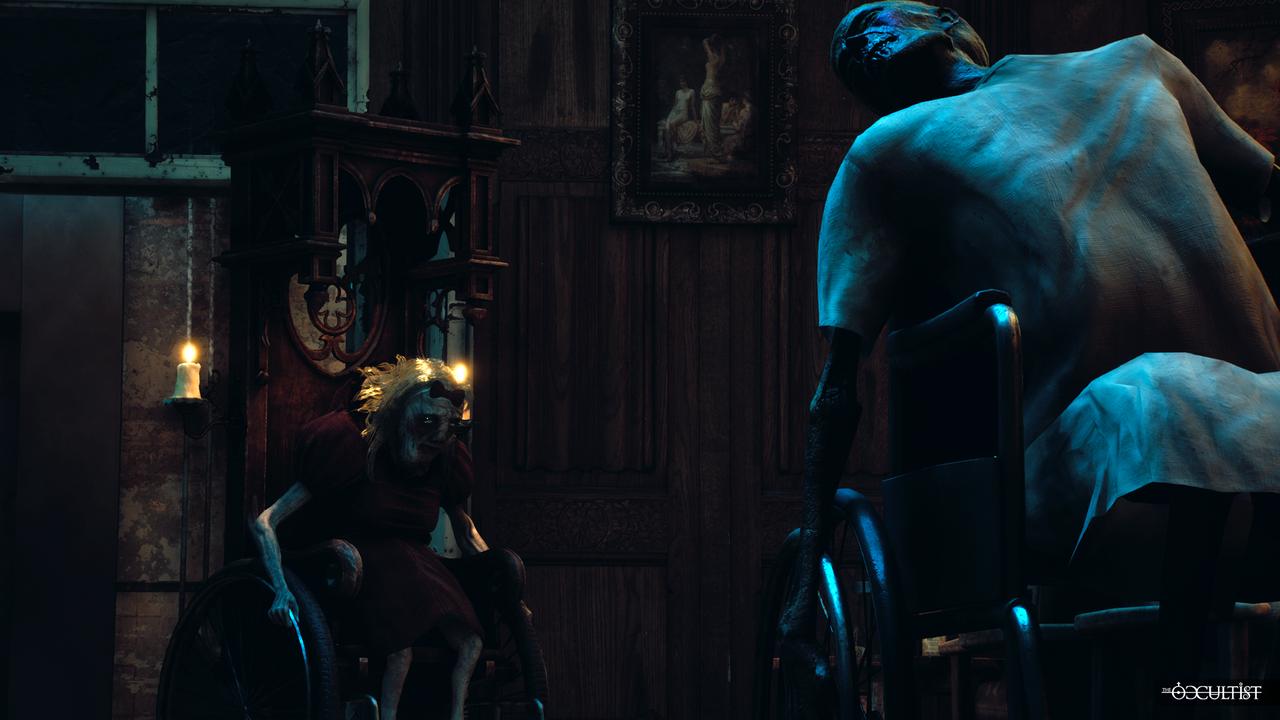
Godstone doesn’t rely on one abandoned building for its entire mystery. Redler Manor places Alan inside an ornate family home connected to the island’s past. The hospital uses cramped corridors and evidence of failed experiments to create something colder and more uncomfortable.


Those locations also contribute to the investigation. They aren’t disconnected horror attractions placed beside one another. Each one explains another part of what happened on Godstone and why the supernatural entities remain there.
Audio supports the search well. With headphones and 3D audio enabled, nearby sounds made it easier to judge where an enemy was coming from. The pendulum also has its own cues when Alan approaches something paranormal, which can point you toward an interaction before you see it.
I noticed more frame-rate dips in larger, more open areas. They never became constant, and loading times stayed short. The texture issues bothered me more because some puzzles depend on spotting a small symbol or inspecting an object up close. When those details didn’t appear clearly, I could get stuck for reasons that had nothing to do with solving the puzzle.
I liked how the DualSense vibration let me know when the pendulum could interact with something nearby. The controller light reacts too, but the vibration was much more useful during play. Some balancing sections use motion controls, and I’d switch them to the left stick early. It’s easier to control, and the sequences don’t lose anything without the motion input.
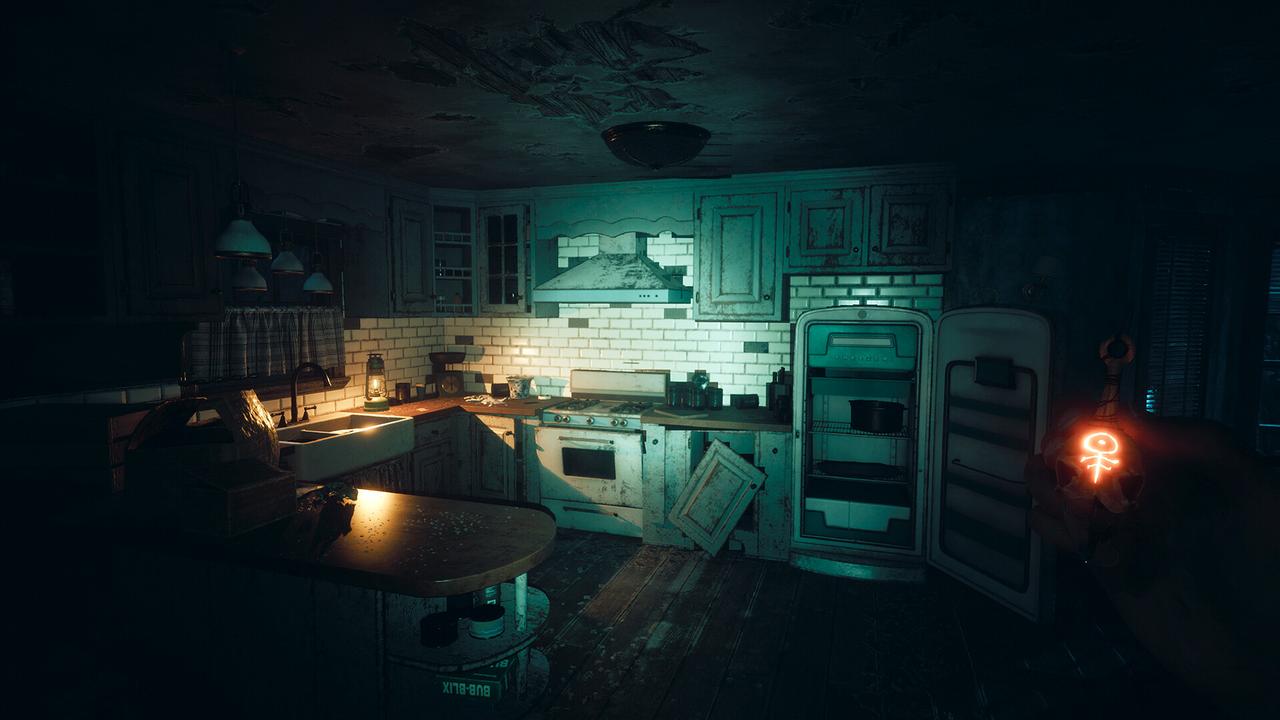
The Occultist Is Better At Mystery Than Horror
I enjoyed uncovering Godstone’s history and seeing how the pendulum changed the way Alan investigated each location. The puzzles suit the paranormal mystery, and the journal makes earlier discoveries useful long after Alan first records them.
The creatures never create the same pull. Their movements become predictable, and several pendulum powers disappear for too long after they’re introduced. Finding your way back through Godstone can also become frustrating when a missed clue is sitting somewhere you’ve already explored.
This is for horror fans who want a shorter paranormal mystery centred on clues, old buildings, and environmental puzzles. Anyone looking for relentless enemies or demanding survival horror won’t find much of that here. I enjoyed the search through Godstone, but I wanted more from the powers in Alan’s hand and the creatures waiting ahead.
The Occultist
Summary
The Occultist combines first-person paranormal investigation with environmental puzzles that use Alan Rebels’ pendulum to uncover Godstone’s past. Exploring the island and connecting its clues held my attention far more than avoiding its predictable creatures. Several pendulum powers are rarely used after they’re introduced. Finding your way back through Godstone can become frustrating, and texture issues sometimes make important objects harder to inspect. This is for horror fans who prefer paranormal mysteries and environmental puzzles over combat or extended chase sequences.
As always, remember to follow us on our social media platforms (e.g., Threads, X (Twitter), Bluesky, YouTube, and Facebook) to stay up-to-date with the latest news. This website contains affiliate links. We may receive a commission when you click on these links and make a purchase, at no extra cost to you. We are an independent site, and the opinions expressed here are our own.