

It has been six years since Obsidian first sent us into corporate-controlled space with The Outer Worlds. That game left a strong impression with its sarcastic sci-fi writing and weirdly believable future. Now the studio is back with The Outer Worlds 2, and you can tell the developers have spent those years refining what made the original so good.
Right from the start, this sequel feels more secure in what it wants to be. The tone is still full of dry humour and strange situations, but it is more focused and less chaotic. Obsidian leans into the strengths of the universe instead of pushing every joke to the front. It creates a better rhythm for the story and the characters who carry it.

What surprised me most is how quickly the game draws you back into the world. The pacing, the writing, and the way quests connect all work together to make exploring each new area feel worthwhile. The Outer Worlds 2 does not reinvent anything. It simply delivers a smarter and more confident take on what fans enjoyed before.
A Universe Built on Control
You’re once again dropped into a future where corporations hold the leash on progress. In The Outer Worlds 2, you take command of an Earth Directorate agent who wakes up to find Arcadia caught in a crisis that threatens to rip reality apart. The opening setup wastes no time showing how bad things have gotten. The mission goes wrong, you lose everything, and suddenly ten years have passed while you were frozen. It is a strong hook that clearly sets up what you are fighting for and why it matters.
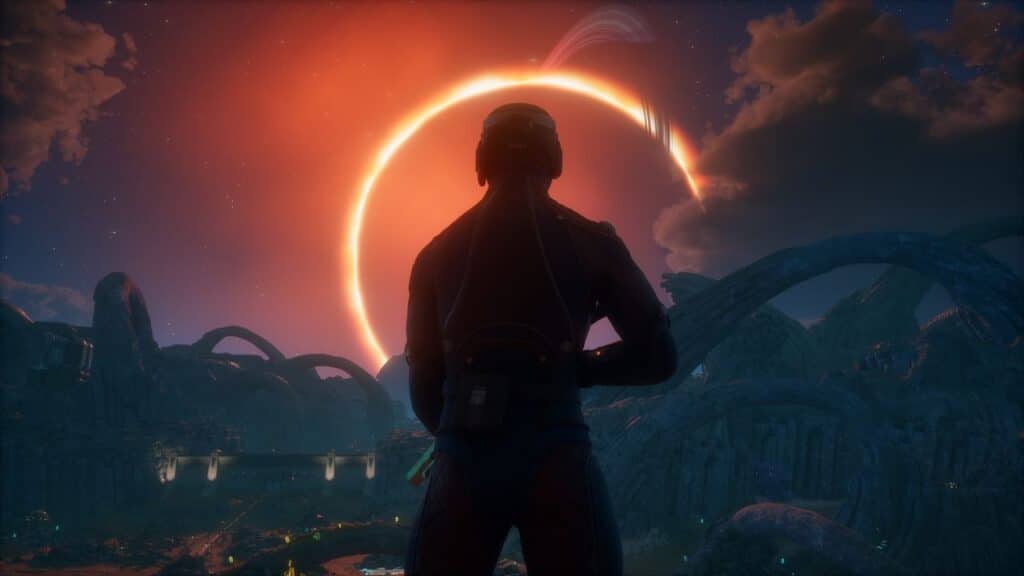
Arcadia is not just a new map, it feels like a lived-in solar system. Each of its planets has a different style and different problems that all connect back to power, money, and control. Three major forces shape the big decisions you make. Auntie’s Choice rules through corporate influence, The Protectorate claims it is keeping order, and The Order of the Ascendant believes science has all the answers. They are convinced they can fix things. They are also convinced they should be in charge.
The people you work with keep all of that tension close to the surface. Companions have backgrounds tied to the factions, and their reactions to your actions can change how the story plays out. The writing leans less on loud comedy this time. Jokes land more naturally, and the serious moments feel like they belong instead of getting undercut for a laugh.
During one mission, I had to decide whether to expose a shady corporate experiment or let it continue so a struggling settlement could survive a little longer. Neither option felt right. The reaction from my crew afterward made the decision stick with me longer than I expected. The story does a good job of making your choices feel like they actually mean something.
Shooting Straight and Talking Smarter
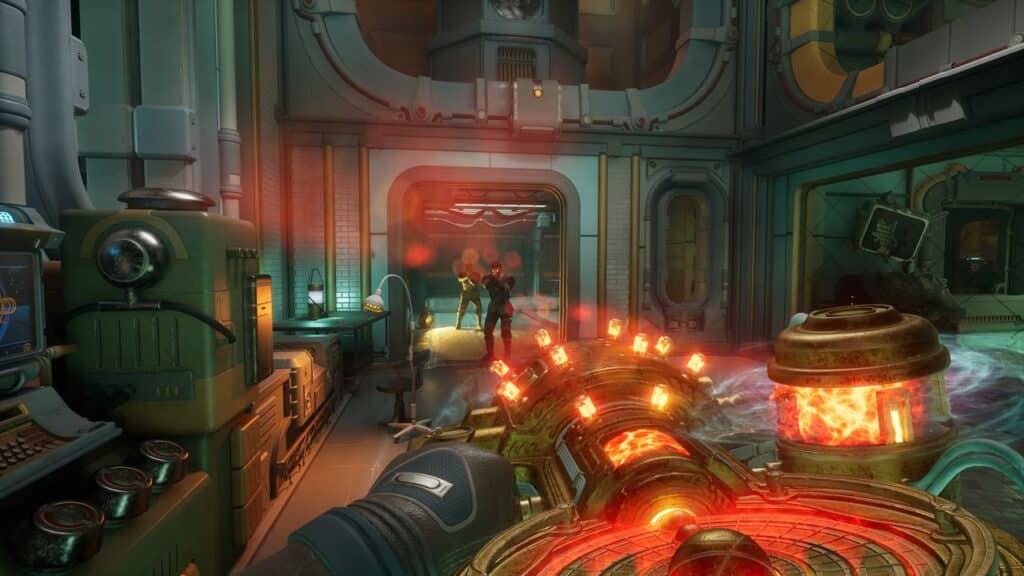
The Outer Worlds 2 sticks to a familiar structure, but everything you do feels more refined this time around. You can talk your way through problems, sneak past trouble, or go in loud with a full arsenal. The game never pushes a single solution. It lets you shape how each mission plays out based on the abilities you build up.
Leveling up gives you a choice of skills to focus on, like Speech, Science, or Leadership. Every point has a noticeable impact on the way conversations unfold or how prepared you feel when things go sideways. Perks help push your style even further. You might become a smooth talker who avoids battles or a gadget expert who uses strange tools to turn a fight around.
Combat feels faster and more responsive than the first game. Guns fire with weight, melee swings hit harder, and companions do a better job of helping out instead of standing in the way. Gadgets like Tactical Time Dilation let you slow things down to pick your shots, while others can erase enemies entirely if you build around them.
One mission dumped me into a factory full of guards who immediately spotted me. My plan to sneak collapsed in seconds. I switched to a heavy plasma rifle and used a gadget to blind the nearest guard, buying myself enough time to dive behind cover. It became a wild scramble that I only survived because I had upgraded my Leadership skill earlier, letting my squad charge in and save the moment. It felt messy and improvised in the best way.
The Outer Worlds 2 rewards flexibility. If your first idea fails, the game gives you plenty of room to try another without slowing the experience down.
Looking Sharp in the Future
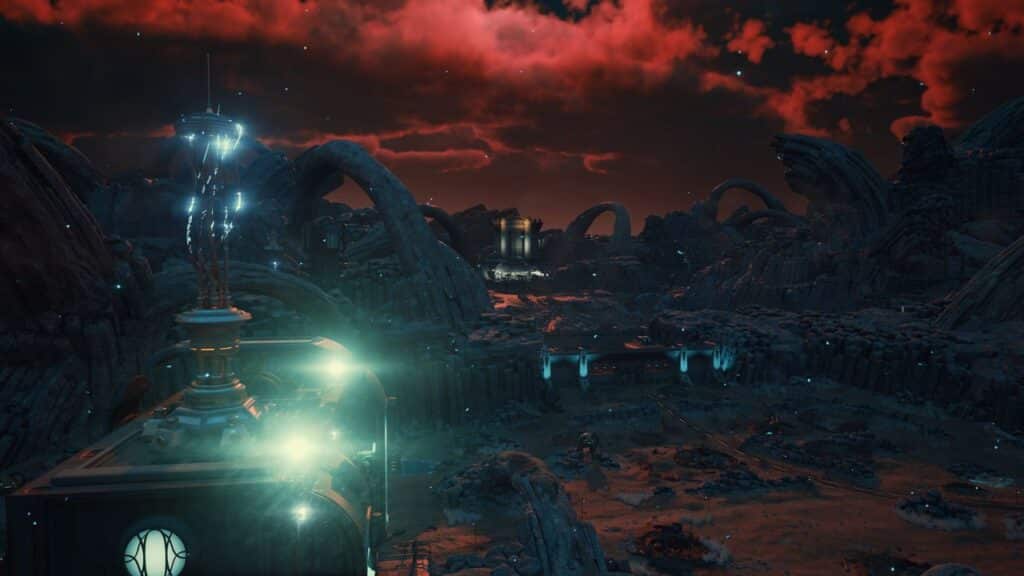
The Outer Worlds 2 makes a strong first impression. Unreal Engine 5 gives Arcadia richer lighting, better animations, and cleaner detail across every environment you visit. Industrial areas feel worn down from misuse while high-tech labs look clean enough that you worry someone is watching every move you make. The variety between planets helps each stop stick in your memory instead of blending together.
Performance on Xbox Series X felt solid throughout my time with the game. Performance mode targets 60 fps with dynamic resolution up to around 1280p, upscaled to 1800p, while Balanced mode runs at 40 fps around 1440p upscaled to 4K. Quality mode focuses on 30 fps with peaks near 1600p upscaling to 4K. Load times stay short and planet transitions feel smooth, which keeps the pace going. In the few crowded hubs where the frame rate dipped it never pulled me out of the moment. Controls, aiming, and camera responsiveness all felt sharp with no noticeable lag.
Characters also look more expressive than before. You can see reactions shift during conversations in ways that make interactions feel more grounded. It is a small detail that goes a long way to selling the story. The voice acting helps too. Everyone delivers their lines with the perfect amount of dryness and sarcasm that this universe needs to stay believable.
The music sets the tone without pulling attention away from what you are doing. Calm tracks fill exploration scenes while louder moments ramp up the energy during a fight. Everything works together cleanly. Nothing takes over, and nothing feels out of place.
The presentation feels like Obsidian wants the world to support the story without ever distracting from it. It is confident, polished, and easy to appreciate no matter how you choose to play.
The Outer Worlds 2 Sticks To Its Strengths and Nails Them
The Outer Worlds 2 feels like a studio learning from what people loved the first time and sticking to those strengths. Instead of going bigger just for the sake of it, Obsidian keeps the focus on sharp writing, interesting character moments, and a universe that feels just a little too close to real life for comfort. It is still funny, still weird, and still obsessed with corporate nonsense, but it carries all of that with a more confident hand.
The early hours move slower than expected, yet once things start connecting, the momentum builds in a way that makes each mission feel worthwhile. The factions have clear motives, the companions bring real personality to your choices, and the game never forgets that your decisions should matter. That is what keeps the campaign engaging even when you are just talking through problems instead of blasting everything that moves.
By the time the credits rolled, I felt satisfied in a way that many sequels struggle to deliver. The world feels richer, the action feels more responsive, and the writing gives you plenty of moments to think about who you want to be in a place where every group is fighting for control. It is a familiar journey, just stronger and more focused.
If you enjoyed the first Outer Worlds or you like RPGs built around choices and consequences, this trip through Arcadia is absolutely worth taking.
The Outer Worlds 2
Summary
The Outer Worlds 2 brings back everything gamers liked about the original and makes it all feel sharper and more confident. The writing lands, the choices matter, and the world has more personality without going overboard. Combat is smoother and exploration feels more rewarding, especially once you find your rhythm. It is a sequel that does not chase something bigger. It just does what it does best.
As always, remember to follow us on our social media platforms (e.g., Threads, X (Twitter), Bluesky, YouTube, and Facebook) to stay up-to-date with the latest news. This website contains affiliate links. We may receive a commission when you click on these links and make a purchase, at no extra cost to you. We are an independent site, and the opinions expressed here are our own.