



I’ve been around the block enough to know when a developer is just blowing smoke about innovation. But every once in a while, a game actually does something that makes you sit up and take notice. Tides of Tomorrow is that game. DigixArt has crafted a feature called Story-Link that honestly brings a completely new energy to the table. It’s an asynchronous shared-world structure that turns a single-player adventure into a living, breathing history. If you’re wondering if this is just another gimmick, I’m here to tell you it’s the real deal. This game manages to make every dialogue choice a massive ripple effect for the next person who picks up your specific 8-digit seed.
It moves away from that tired lone hero trope. Instead, it forces you to think about the mess you’re leaving behind for a total stranger. Whether you’re hoarding resources or leaving caches for the next Tidewalker, you constantly have to look at your own behaviour in the mirror. It’s a digital social experiment wrapped in a plastic-filled apocalypse. You aren’t just running through a digital world here. You’re participating in a timeline that someone else already bruised, and you’re about to do the exact same thing for whoever follows your seed. I found myself agonizing over whether to take the last med kit or leave it, knowing a real person would suffer if I took it.




The pressure of knowing your choices will fundamentally reshape the world, NPC encounters, and story situations for a friend or even a streamer adds a level of consequence that most choice-based adventures just can’t reach. It’s about connection and shared responsibility. It’s about seeing if we can actually pull together when the world is literally turning into a pile of multicoloured trash. This is the kind of storytelling evolution that makes this whole hobby interesting again. It’s a striking concept that actually works for folks who want real consequences in their gaming.
The Colourful Horror of Plastemia
You’re floating on the ocean planet of Elynd. The Great Flood has basically swallowed everything, leaving humanity clinging to scattered settlements and rotting debris. You step into the boots of a Tidewalker. You’re an amnesiac who is essentially a walking, plastic-plagued corpse pulled from the drink. The big threat here is Plastemia. It’s a nasty disease that turns skin vivid colours before hardening folks into permanent statues. It’s a total nightmare scenario that looks beautiful and terrifying at the same time. To keep from becoming a multicoloured mannequin, you need Ozen. This breathable medication is the lifeblood of the world and the primary source of conflict between factions.
You’ll be navigating the bad blood between the gear-worshipping Mystics, who worship ancient knowledge and old tech as religion, the scrappy Reclaimers, and the Marauders led by a mob boss named Obin. Watching a character like Eyla struggle with advanced Plastemia while maintaining her bubbly attitude adds a real personal consequence to the decay. I genuinely felt terrible when I couldn’t provide the medicine she needed. There’s even a global population counter that ticks down from 300,000 survivors as you progress through the chapters. It’s a grim reminder that every mistake you make impacts the last remnants of humanity.
The lore is dense but it earns your attention. You aren’t just reading notes. You’re seeing the physical results of pollution through the bodies of the folks you meet. The iridescent skin of the infected is gorgeous and haunting all at once. This world feels lived in and dying at the same time. The factions aren’t just groups you pick from a menu. They have distinct perspectives on how to handle the Ozen shortage. Do you trust the scholars or the scavengers? Every conversation operates like a high-stakes negotiation for the future of a planet that’s already halfway gone. It’s a heavy story that stays with you long after you turn off the console.
Ozen Pips and Asynchronous Ripples
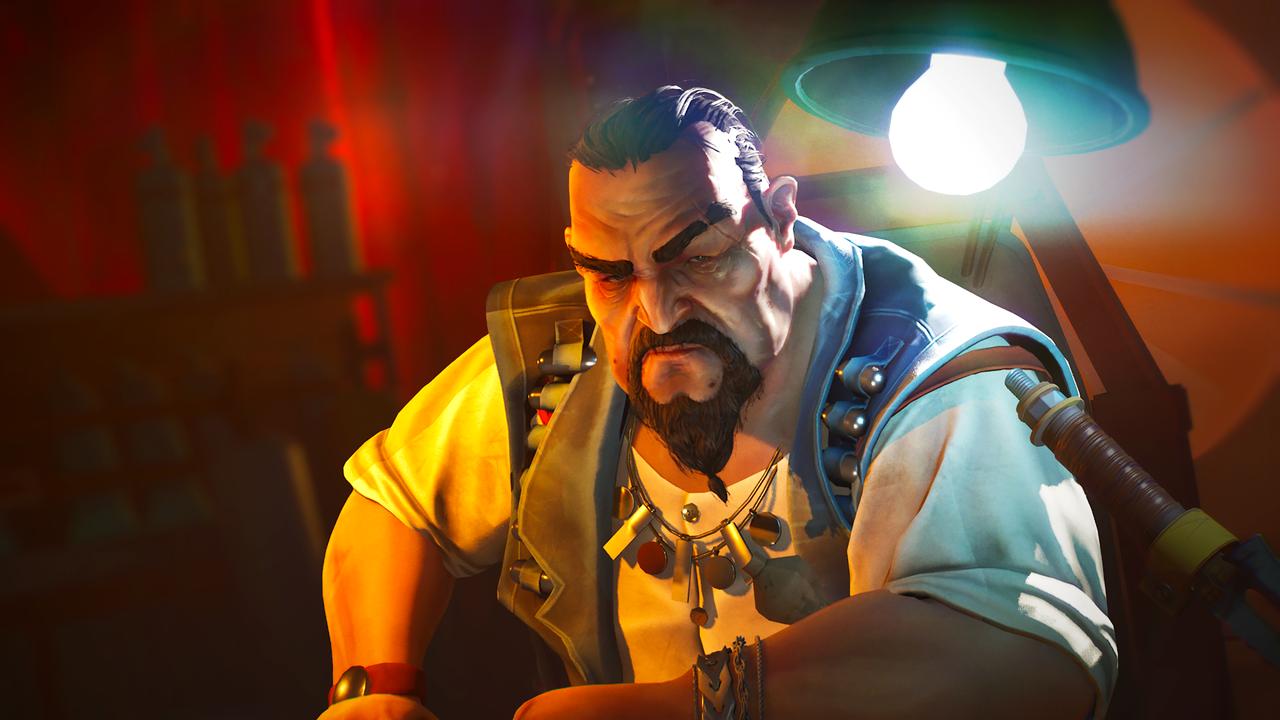
The economy in this game is brutal in a way that actually matters for your playthrough. Sailing between settlements uses two health pips. One dose of Ozen restores exactly one pip. You’re constantly scrounging for Trash scraps to trade for more meds. This leads to some heavy moral calls that I found myself debating for way too long. Do you use your Ozen to make sure you can reach the next island, or do you leave some in a Tidewalker Cache for the next person to find? I highly recommend checking every single cache before you spend your own Ozen; previous Tidewalkers often dump excess Trash scraps right by the docks. I was completely out of health pips and thought my character was cooked. Then I opened a locker left by someone named ‘ScrapKing’ and found exactly enough medicine to cure my infection.

If you’re doing well, leave something behind yourself. This behaviour creates a positive ripple effect that can actually make the sneaking sections easier for the next person following your seed. The Story-Link feature is the star here. You choose a seed from a friend or a stranger, and their past decisions dictate your reality. If they decided to side with Obin, you might find a settlement in total lockdown. You can even see Echoes, which are ghost replays of the previous Tidewalker.
It’s like having a spectral guide showing you how they botched a sneaking path or where they found a hidden password. When you aren’t sneaking through warehouses or dodging red laser sights, you’re competing in boat racing mini-games or ship-to-ship cannon fire. The sneaking requires you to hide under tables and avoid guards who shoot on sight. It’s a tense routine. You have to manage your pips and your ethics simultaneously.
A Gorgeous Landfill at the End of the World
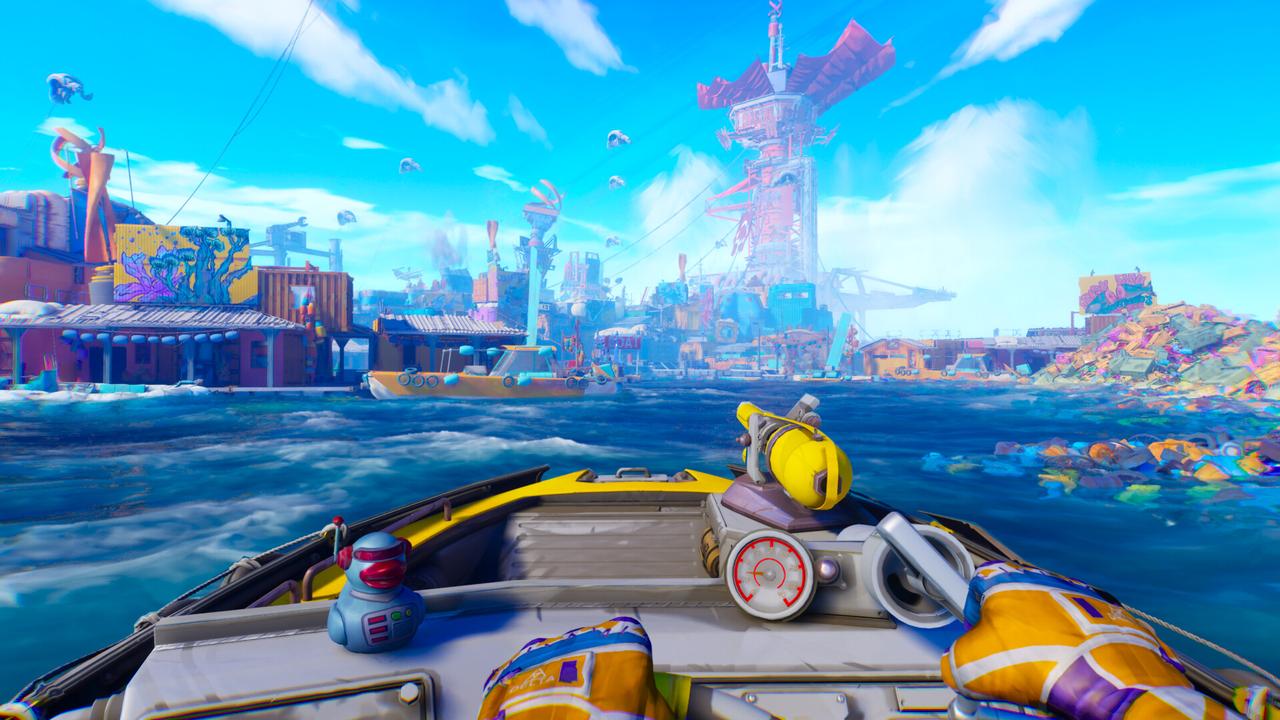
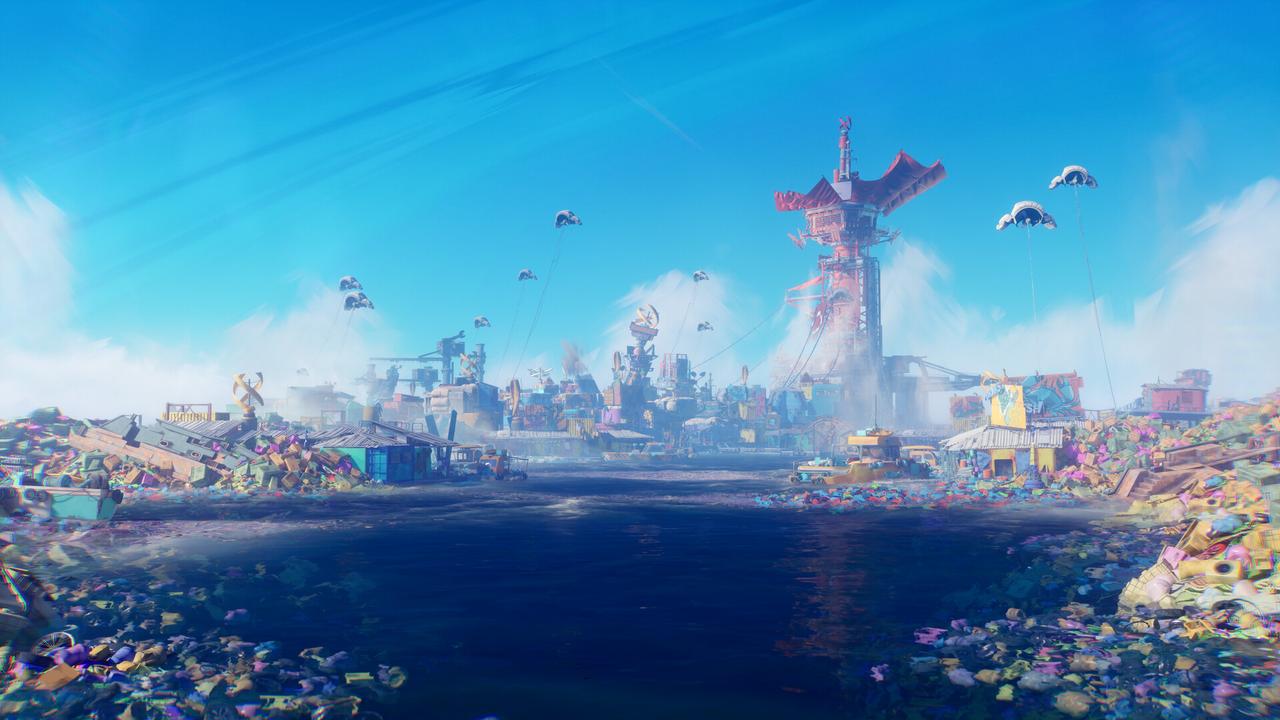
Visually, the game is an explosion of colour. It looks a bit like Sea of Thieves but with a lot more plastic debris and a distinct plastic-apocalypse style. The world of Elynd is beautiful despite being a literal landfill. The character models occasionally hit some low-poly snags on the PlayStation 5. The voice acting and the soundtrack easily carry the presentation past those minor hiccups. The audio quality is fantastic and keeps the 10 to 15 hour run-time interesting. The way the iridescent skin of Plastemia victims catches the light is a triumph of the art direction. It makes the disease look almost tempting until you see the plastic statues of the fallen.
With five major endings and five traits including Mankind, Nature, Survivalist, Cooperation, and Troublemaker, there’s a lot of room to see how your personal behaviour alters the world. The world of Elynd feels massive even if you’re just sailing between small islands. The presentation successfully conveys the scale of the Great Flood and the isolation of the remaining survivors. It’s a visual and auditory package that manages to make environmental decay look incredible. Even with the occasional graphical hiccup, the artistic vision remains clear.
The music perfectly captures the mood of a world that’s fading away. It’s a haunting but beautiful experience that stays with you long after the credits roll. It’s a gorgeous mess in the best way possible for a story-driven adventure. Every settlement has its own look, from the gritty Marauder outposts to the more refined Mystic labs. The contrast between the bright plastics and the dark ocean creates a look you just don’t see often in modern gaming. It really pulls you into this decaying, colourful world.
Tides of Tomorrow Proves That Shared-World Storytelling Is the Future of Gaming
Tides of Tomorrow is a fascinating look at how our choices impact others. It’s an essential experience for anyone who wants to see where story-driven games are headed. DigixArt has created something truly special with the Story-Link feature. It takes the idea of branching paths and turns it into a communal experience that feels vital. You aren’t just launching a game. You’re part of a shared history. The 10 to 15 hour playtime feels just right for the story it wants to tell. It gives you enough time to experience the consequences of your decisions without wearing out its welcome.
The mix of sneaking, ship combat, and resource management keeps the minute-to-minute gameplay interesting. The five traits provide genuine return value for anyone who wants to see how a Troublemaker playthrough differs from a Pro-Nature one. This game is a bold step forward for storytelling in the medium. It proves that asynchronous online structures can be just as emotionally impactful as a direct co-op experience. If you’re tired of the same old choice-based adventures, this is the game for you.

It’s weird, it’s colourful, and it’s deeply thoughtful about our relationship with the planet and each other. Don’t miss out on this one. Grab a seed from a friend and see what kind of world you inherit. Then, do your best to leave it a little better than you found it. Or don’t. That’s the beauty of the structure. You decide what kind of legacy you leave behind on the waves of Elynd. It’s a journey worth taking for folks who value innovation and consequence in their gaming. Every moment spent in this world reinforces the idea that we are never truly alone.
Tides of Tomorrow
Summary
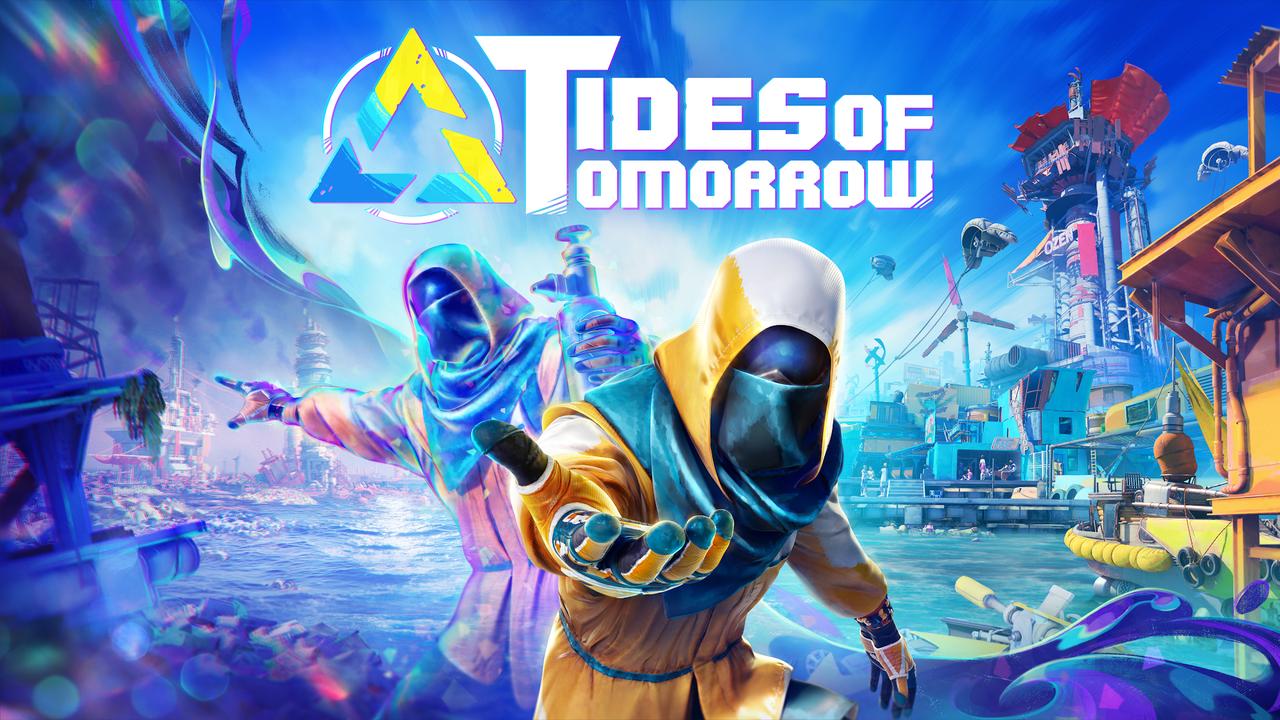
Tides of Tomorrow swaps out traditional branching paths for an asynchronous Story-Link feature that turns what should be a lonely trek into a shared history for whoever follows your seed. The character models hit some occasional low-poly snags. That said, the brutal pressure of the Ozen economy and the haunting, iridescent beauty of Elynd create a story-driven adventure that actually sticks the landing. If you want to see a bold evolution of consequence-driven gaming that finally makes your choices act as a real legacy, this is a journey worth taking.
As always, remember to follow us on our social media platforms (e.g., Threads, X (Twitter), Bluesky, YouTube, and Facebook) to stay up-to-date with the latest news. This website contains affiliate links. We may receive a commission when you click on these links and make a purchase, at no extra cost to you. We are an independent site, and the opinions expressed here are our own.