



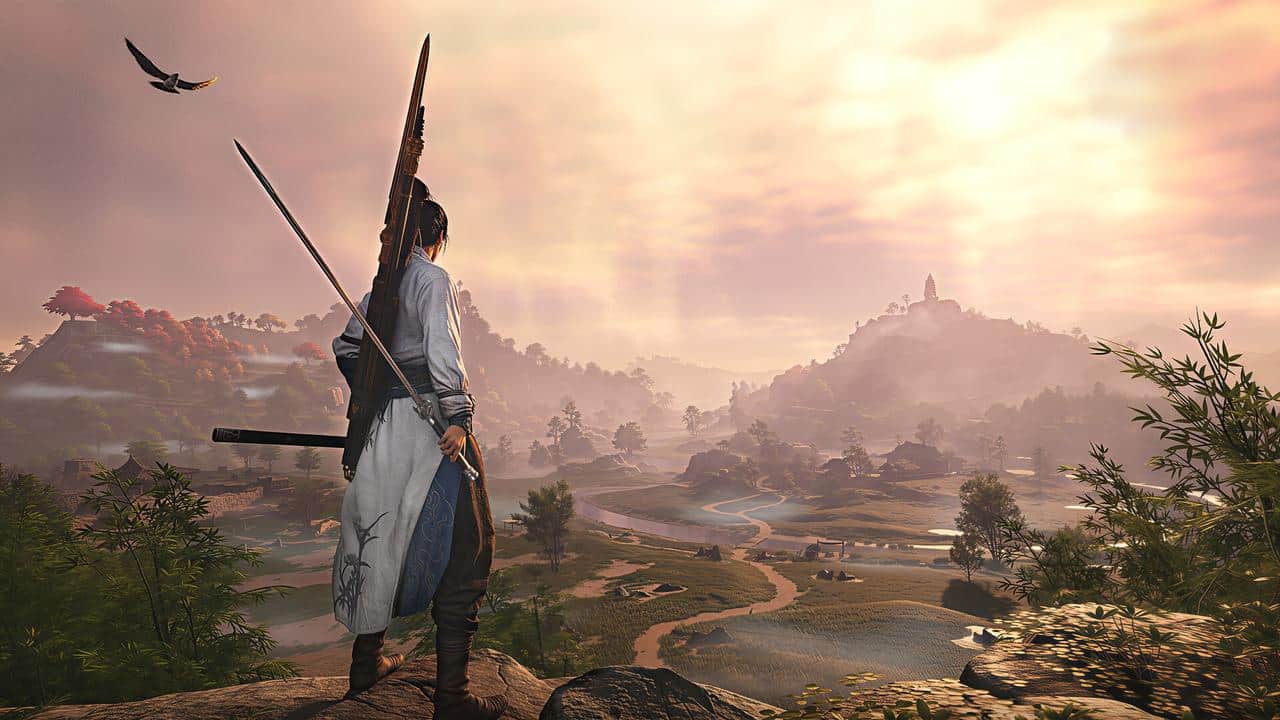
Where Winds Meet is easy to misread at first glance. The trailers focus on cinematic martial arts, dramatic magic, and flashy combat, which makes it seem like a tightly focused action RPG. Once you actually spend time with it, though, it becomes clear that it’s built very differently. Where Winds Meet is a free-to-play wuxia MMO that puts far more emphasis on freedom than direction, giving you room to decide how you want to spend your time from the very start.
Set in a stylized version of ancient China, the game blends action combat with a huge range of activities that stretch well beyond fighting. You can follow the main story, wander off to help strangers, learn new martial techniques by watching NPCs, or spend hours exploring towns and countryside without touching the main plot. That openness is one of the game’s biggest strengths, but it can also feel disorienting early on. The game is always offering something new to do, and it doesn’t always make it clear what deserves your attention.



After a few hours, it becomes obvious that Where Winds Meet isn’t aiming for a neat, guided experience. It’s an ambitious experience that rewards curiosity and patience, especially if you’re comfortable setting your own goals. Whether that feels exciting or overwhelming depends on what you’re hoping to get out of it and how much time you’re willing to invest.
A World That Moves Even When You Don’t
Where Winds Meet is set during the Five Dynasties and Ten Kingdoms period, but it doesn’t treat history as something you’re meant to memorize or follow step by step. The story opens with a familiar hook. A mysterious jade pendant is stolen, and the search for answers pulls you out into the wider world. From there, the narrative spreads outward rather than forward, giving you just enough direction to keep moving while constantly tempting you to drift off course.
The main plot revolves around power struggles, shifting alliances, and personal honour, all wrapped in wuxia tradition. Wandering warriors, secret techniques, and political tension form the backbone of the story, but they rarely demand your full attention for long. You’re encouraged to engage with it at your own pace, and it’s entirely possible to lose sight of the main thread for hours without feeling like you’ve done something wrong.
Stories That Emerge While You’re Wandering
What makes the world compelling isn’t a single dramatic storyline, but how alive it feels moment to moment. Townsfolk argue, rumours spread, and small problems often turn into full side stories. Helping a stranger can lead to unexpected consequences later, while ignoring a situation doesn’t always make it disappear. The game doesn’t frame these moments as optional distractions. They feel like part of the game’s natural rhythm.
There’s also a noticeable tonal range in how stories are told. Some quests deal with loss, loyalty, and spiritual unrest, while others lean into humour or absurdity. One moment you’re untangling a local dispute, the next you’re dealing with something far stranger than you expected. That unpredictability helps keep exploration interesting, even when you’re not actively chasing the main narrative.

Where Winds Meet works best when you stop treating its story like something to complete and start treating it like something you move through. The world doesn’t wait for you to catch up, and it doesn’t punish you for wandering off either. It simply keeps going, inviting you to decide how involved you want to be.
Combat That Carries the Experience
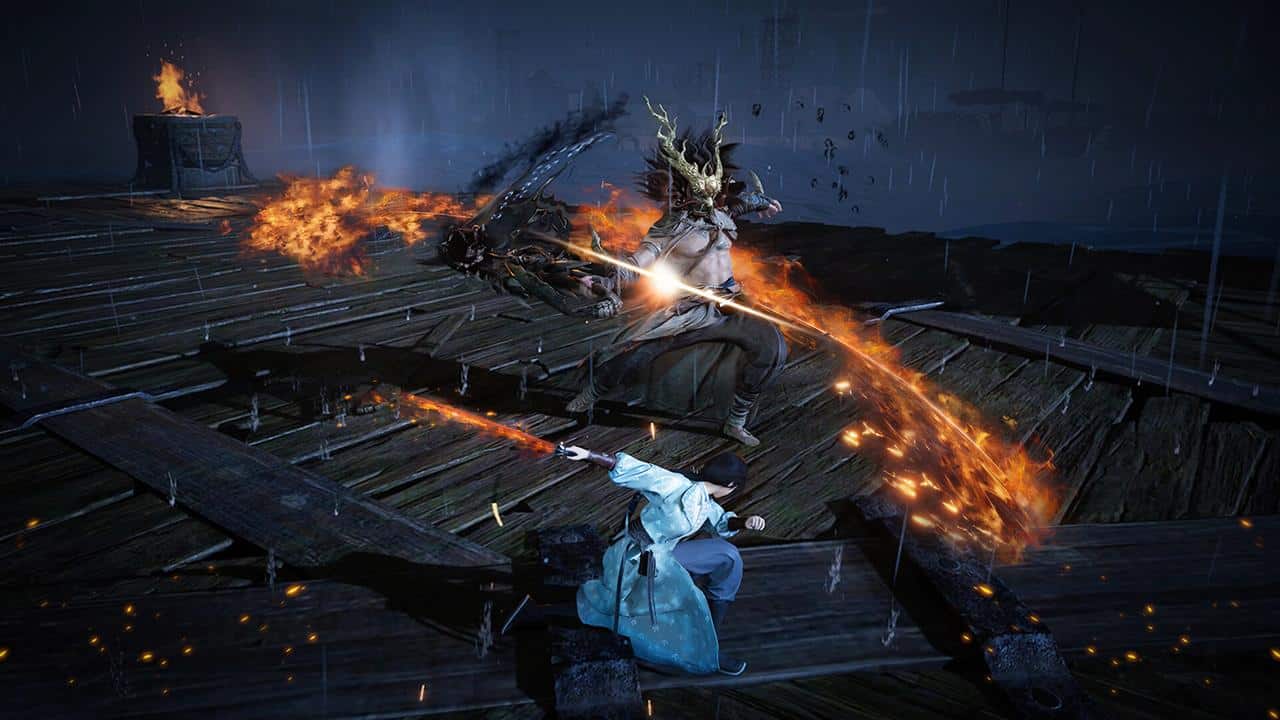
Combat is where Where Winds Meet feels the most confident. While the game offers many different ways to spend your time, fighting is the one area that feels consistently clear and satisfying from the start. Instead of relying on traditional MMO auto-attacks and ability rotations, battles focus on timing, positioning, and paying attention to enemy behaviour.
You have access to a wide range of weapons, and each one changes how encounters play out. Switching weapons feels less like swapping roles and more like adjusting how you approach a fight. Some favour careful spacing and counters, while others reward staying close and applying pressure. Parrying and dodging matter, and success often comes from reacting well rather than simply stacking damage.
What helps the combat stand out is how cleanly everything moves from one action to the next. Attacks connect cleanly, animations carry real weight, and fights often look as dramatic as they feel to play. Wuxia-inspired movement gives you far more freedom than you might expect. Running across water, climbing sheer surfaces, and dropping from great heights without consequence keeps both combat and exploration feeling open rather than boxed in.
As you progress, you unlock new techniques that broaden your options in battle. Some focus on control, others on heavy hits or utility, and many can be mixed freely based on what you enjoy using. You’re rarely locked into a single approach, and experimenting doesn’t come with harsh penalties.
Difficulty options make the game approachable if fast reactions aren’t your strength, while still allowing for tougher encounters if you want them. On higher settings, fights demand focus and precision, and victories feel earned. Even when other parts of the game start to feel overwhelming, combat remains a reliable point of engagement you can always return to.
Style and Atmosphere That Reward Patience
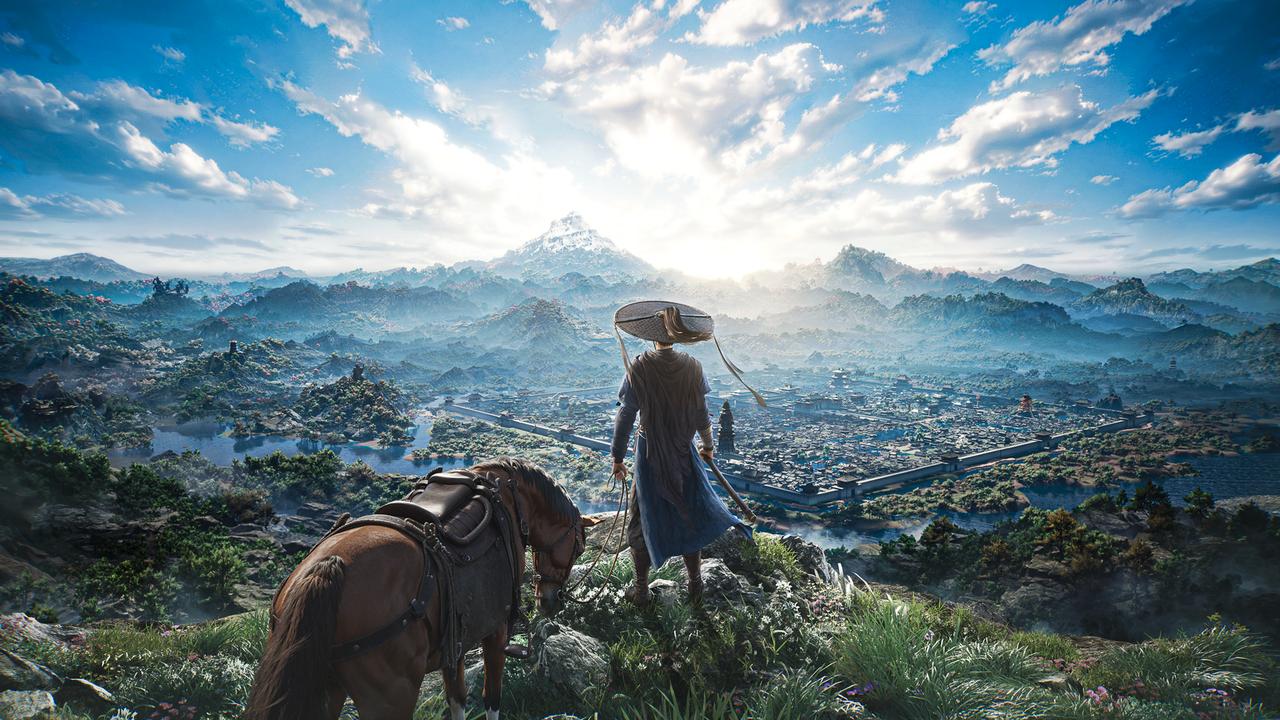
Where Winds Meet makes a strong visual impression, especially when you stop rushing from objective to objective. Its visual style pulls from wuxia tradition, blending historical architecture with mystical touches that give the game a slightly dreamlike feel. Open landscapes give way to bamboo groves, villages feel lived in rather than staged, and cities stretch outward in ways that invite exploration instead of constant fast travel.

Lighting does much of the heavy lifting. Sunlight filters through trees, lanterns cast warm glows at night, and weather effects add mood without overwhelming the scene. From a distance, the game often looks striking, particularly when you pause to take in elevated views or busy city streets. Up close, the experience is less consistent. Some textures and character details don’t hold up under close inspection, which can briefly pull you out of the moment.
Animation quality is strongest during combat and major story scenes. Martial arts movements are expressive and detailed, and fights tend to look as dramatic as they feel to play. Outside of combat, NPC animations can appear stiff, especially during smaller interactions, but it rarely becomes distracting unless you linger on it.
Combat and Audio Do Most of the Heavy Lifting
Audio presentation is more uneven, though the music does a lot to carry the tone. Traditional instruments shape the soundtrack, shifting naturally between calm and tension depending on what you’re doing. Exploration themes work particularly well, helping locations feel distinct without constantly demanding attention. Voice acting varies more noticeably. Some performances fit their characters well, while others feel flat or mismatched, particularly in side content.
Performance can also be inconsistent. There are long stretches where everything runs smoothly, but visual hiccups and brief interruptions do surface from time to time. These moments don’t define the experience, but they are noticeable enough to keep expectations in check.
When everything clicks, Where Winds Meet looks and sounds great in a way you notice while playing, not just while standing still. Riding between towns at sunset, slipping through a city at night, or coming out of a fight as the music settles back down all land nicely. It’s not spotless across the board, but there are plenty of moments where the presentation pulls you in and makes it easy to keep going.
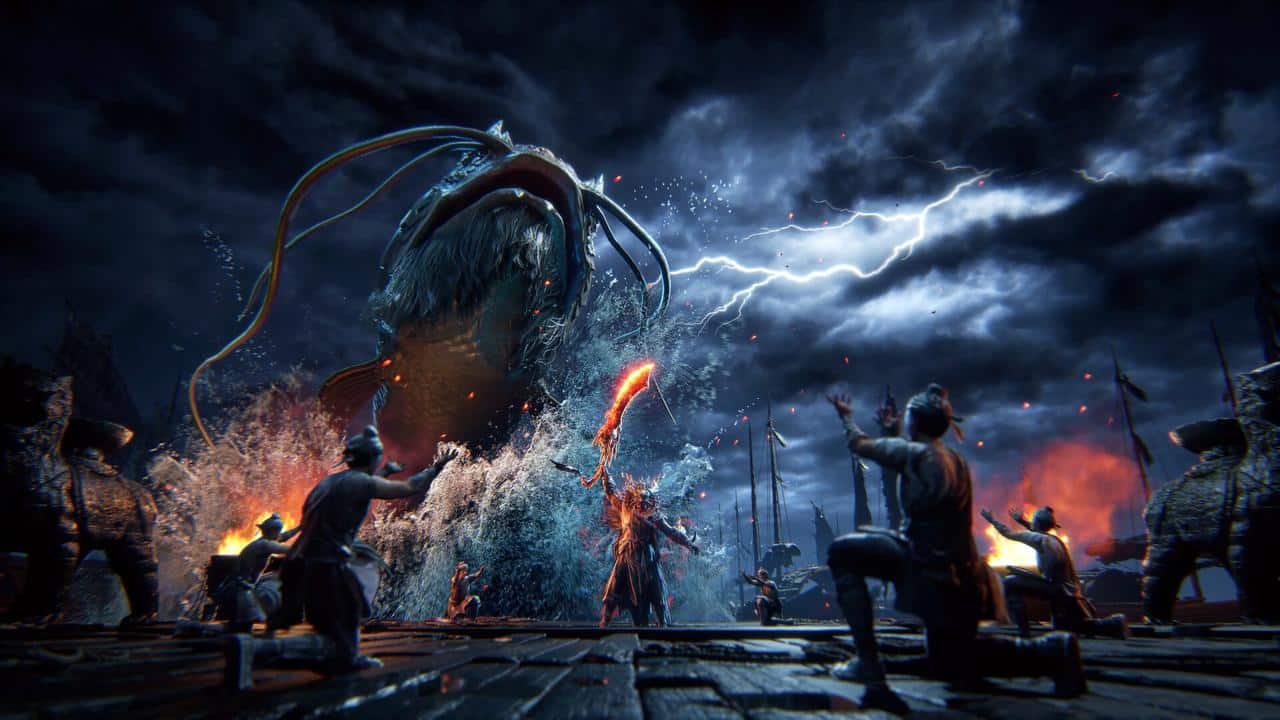
Where Winds Meet Is Worth Your Time If You’re Comfortable Taking It Slow
Where Winds Meet is the kind of game where you sit down planning to do one thing and end up doing something completely different an hour later. You might log in thinking you’ll follow the main quest for a bit, then get sidetracked learning a new move, helping an NPC, or just riding across the map because it looks good. That lack of focus won’t work for everyone, but if you’re okay setting your own pace, it can be easy to get pulled in.
Combat is what keeps things grounded. No matter how scattered everything else feels, fights stay fun and readable, and the movement gives you enough freedom that getting around doesn’t feel like busywork. It’s the part of the game that’s easiest to stick with, especially during longer play stretches.
Not everything lands cleanly. Story threads are easy to lose track of, the game doesn’t always explain itself well, and some rough edges show up the longer you play. None of that ruins the experience, but it does mean you need a bit of patience, especially early on.
If you’re looking for a free-to-play game that lets you wander, experiment, and play without constantly nudging you toward an ending, Where Winds Meet is worth checking out. It’s messy in spots, but there’s a lot here if you’re willing to let it unfold at its own pace.



Where Winds Meet
Summary
Where Winds Meet gives you a lot of space to play without constantly telling you what to focus on. Combat stays engaging, movement feels good, and it’s easy to drift from one activity to another without it feeling like wasted time. The main story can get lost in the shuffle and performance isn’t always steady, but there’s a satisfying loop to exploring, fighting, and picking your own goals. If you like games that let you wander and figure things out as you go, there’s plenty here to keep you busy.
As always, remember to follow us on our social media platforms (e.g., Threads, X (Twitter), Bluesky, YouTube, and Facebook) to stay up-to-date with the latest news. This website contains affiliate links. We may receive a commission when you click on these links and make a purchase, at no extra cost to you. We are an independent site, and the opinions expressed here are our own.