


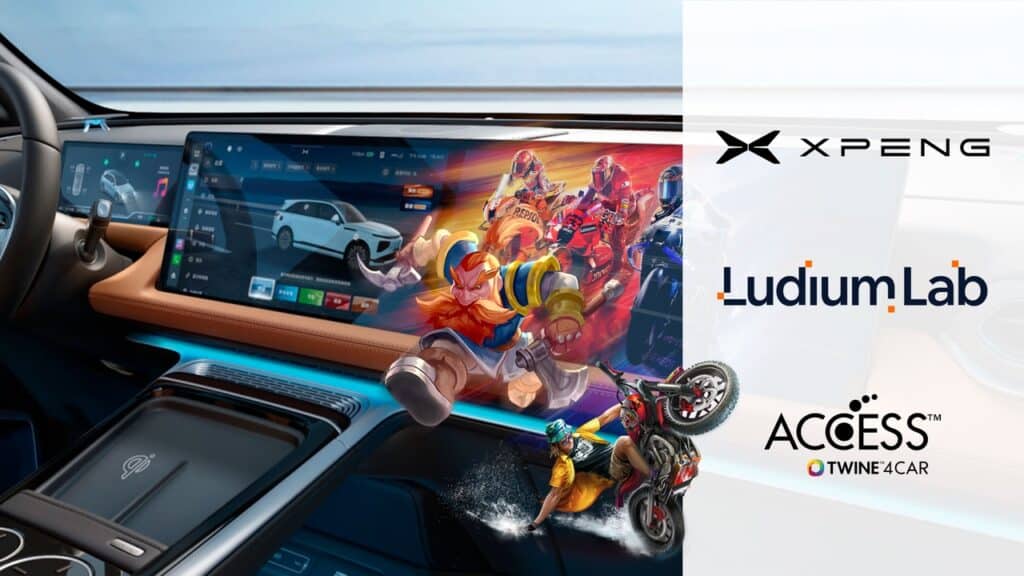
Cloud gaming inside vehicles is continuing to move beyond early experimentation. Ludium Lab has now confirmed that its partnership with XPENG is expanding, bringing the Xplay cloud gaming service to more countries across Europe and Asia.
The update was shared through a recent LinkedIn post from Ludium Lab, where the company confirmed the renewal of its partnership with XPENG and outlined plans to scale the in-car gaming platform to new regions. According to the announcement, the expansion will allow millions of additional drivers and passengers to access Xplay directly through their vehicle’s infotainment system.

This update builds on what Ludium Lab had already shared about Xplay’s rollout, which has been running inside XPENG vehicles for more than two years as a fully deployed service rather than a short-term experiment.
A Continued Push Beyond the Pilot Phase
The announcement also shows that Xplay has moved past its early days. Ludium Lab points to steady growth since launch, along with ongoing development, new content, and added features as the service expands.
The company also emphasized that Xplay is now reaching more markets, extending beyond its original footprint into additional regions across Europe and Asia. That matters because it suggests XPENG and Ludium Lab see real long-term value in in-car cloud gaming, not just as a novelty feature but as part of the broader connected-vehicle experience.
Unlike experimental dashboard apps or short-lived tech demos, Xplay has now reached the point where it is being scaled internationally. That kind of rollout usually only happens once a service proves it can operate reliably in real-world conditions.
How This Fits With Xplay’s Original Vision
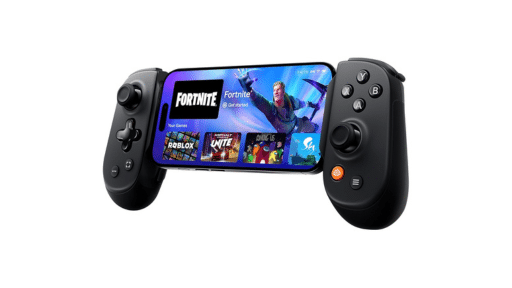
When Ludium Lab first detailed Xplay, the focus was on making cloud gaming work naturally inside a car environment. That meant adapting streaming performance for mobile connections, designing controls that could work through a phone, and building an interface that felt usable on an automotive display.

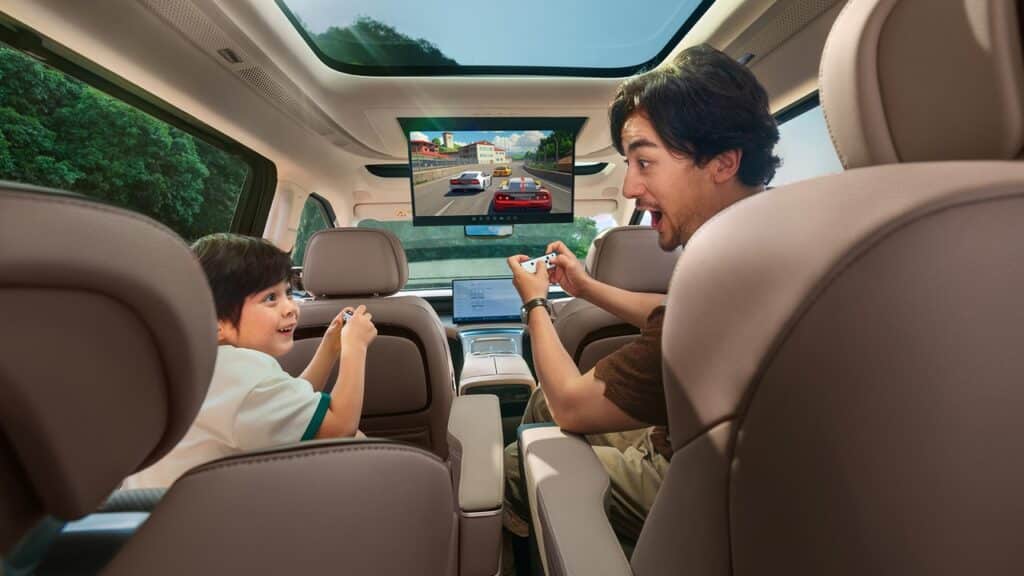
The renewed partnership shows that approach is paying off. Xplay continues to position itself as a flexible entertainment option rather than a replacement for traditional gaming platforms. It works during charging stops, downtime in parked vehicles, or moments when passengers want something interactive to do. The service does not require local installs, and it runs entirely through the vehicle’s existing screen and internet connection.
That same philosophy appears to be guiding its expansion. The focus appears to be on stability, content growth, and broader availability rather than on adding surface-level features.
Cloud Gaming’s Role in Connected Vehicles Keeps Growing
This announcement also reinforces a larger trend that we’ve has been tracking closely. Cloud gaming is increasingly showing up in places that are not traditional gaming devices. Cars, smart TVs, and mobile ecosystems are becoming legitimate endpoints for game streaming.
In the case of XPENG, the vehicle itself becomes part of the entertainment ecosystem. Larger displays, faster connectivity, and always-on systems make cloud gaming a natural fit, especially for electric vehicles where downtime during charging is already part of the experience.
What makes Xplay interesting is how quietly it fits into that space. There is no push to replace consoles or PCs. Instead, it fills moments where gaming already makes sense, using hardware that is already there.
What Comes Next
Ludium Lab’s post does not go into specifics about which new countries are being added or what new features are planned next, but the direction is clear. Xplay is continuing to grow, and XPENG appears committed to supporting it as part of its in-car experience.
For cloud gaming as a whole, this kind of expansion matters. It shows that the technology can live comfortably outside traditional gaming setups and still deliver something people want to use regularly.
As more automakers explore connected entertainment and software-driven features, Xplay stands as one of the clearest real-world examples of cloud gaming working at scale inside vehicles. We will continue to follow Xplay’s progress as Ludium Lab expands its reach and as more automakers explore similar integrations.
As always, remember to follow us on our social media platforms (e.g., Threads, X (Twitter), Bluesky, YouTube, and Facebook) to stay up-to-date with the latest news. This website contains affiliate links. We may receive a commission when you click on these links and make a purchase, at no extra cost to you. We are an independent site, and the opinions expressed here are our own.