


Yakuza Kiwami 3 & Dark Ties brings the series back to one of its most personal chapters, pairing a full remake of Yakuza 3 with a brand-new side story built around Yoshitaka Mine. On paper it sounds straightforward. In practice, it plays very differently from most other entries in the series.
Yakuza Kiwami 3 pulls things away from constant power plays and clan politics and and moves at a much slower pace. Kiryu isn’t chasing status or trying to fix the underworld this time. He’s running an orphanage in Okinawa, dealing with everyday problems, and trying to keep the kids safe while the past keeps creeping back in. It changes how the story unfolds and how your time is spent between fights and major plot moments.




The remake updates the game using the modern foundation from later entries, tightening combat, refreshing how the world looks and runs, and expanding what you can do outside the main story. Okinawa still moves at a different pace than Kamurochō, and the game is comfortable letting you settle into routines instead of constantly pushing you forward.
Dark Ties runs alongside the main game as its own experience rather than a quick bonus. It puts Kiryu to the side and follows Mine earlier in his climb through the Tojo Clan, offering a very different perspective on ambition and loyalty. It’s shorter and more focused, but it’s meant to add context, not repeat what the main story already covers.
As a package, Yakuza Kiwami 3 & Dark Ties isn’t trying to reinvent the series. It’s about revisiting a turning point, adding clarity where it was missing before, and giving a quieter chapter the space it needs to breathe.
Life In Okinawa Comes First
Yakuza Kiwami 3 opens in a very different place than most entries in the series. Instead of pushing you straight into underworld disputes, it starts with Kiryu living in Okinawa, running an orphanage and trying to give a group of kids a stable home. The early hours focus on that routine. You help settle small disagreements, listen to everyday worries, and see how much effort it takes for Kiryu to hold onto a peaceful life.
That setup reshapes how the story works. Kiryu isn’t defined by reputation or authority here. He’s defined by responsibility. The orphanage isn’t just a backdrop between plot beats. It’s the emotional centre of the game, and the story keeps circling back to it even as larger conflicts begin to surface. When trouble shows up, it feels disruptive rather than expected, which changes how the stakes come across.

When the Past Starts Pulling Back In
As the plot expands, familiar elements start pushing their way back in. Pressure from the Tojo Clan, outside interests, and old loyalties all begin pulling Kiryu away from Okinawa. The difference is how the game handles that pull. Yakuza Kiwami 3 connects those threads slowly instead of rushing you back to Kamurochō. The contrast between the two locations becomes part of the story, with Okinawa representing what Kiryu is trying to protect and Kamurochō representing what keeps demanding his attention.
The narrative structure stays close to the original release, which means the pacing is deliberate and sometimes restrained. Long stretches focus on relationships rather than constant plot escalation. In this remake, that approach works better than it used to.
By the later chapters, the throughline is clear. This isn’t about Kiryu reclaiming status or proving anything to anyone. It’s about whether he can keep the life he’s built when the past refuses to stay put. That focus gives Yakuza Kiwami 3 a very distinct place within the series and helps explain why this chapter still stands apart years later.
Fighting Less, Living More Between Brawls
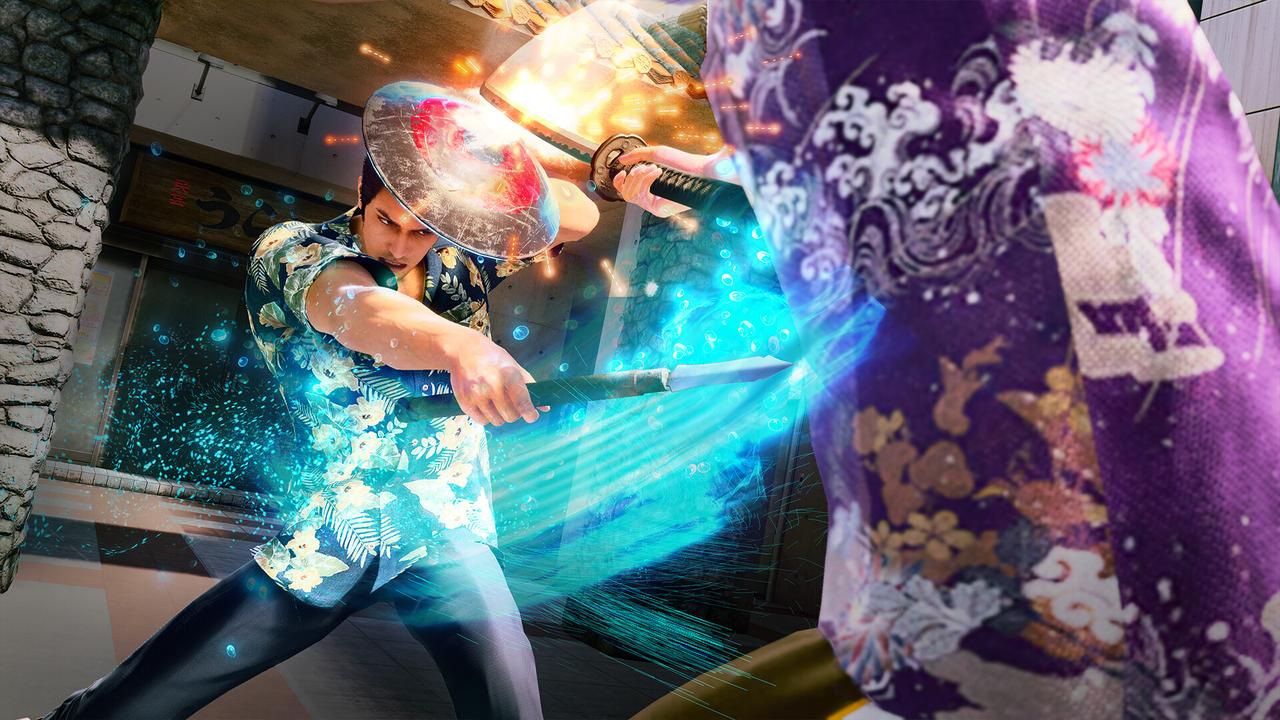
Yakuza Kiwami 3 keeps the familiar third-person brawling foundation of the series, but the remake changes how fights play out moment to moment. Street encounters still break out as you move through Okinawa and Kamurochō, but they no longer drag in the way the original release was known for. Enemies are more active, fights resolve faster, and you’re encouraged to stay on the offensive instead of waiting for openings.
Kiryu has access to multiple combat styles, with the Dragon of Dojima style handling most one-on-one encounters through heavy strikes, counters, and heat-based finishers. The Ryukyu style adds a different feel, built around speed and weapon use. You swap between improvised tools mid-combo, which makes crowd encounters easier to manage and keeps fights from feeling repetitive when several enemies pile in at once. Switching styles mid-fight becomes second nature, especially during longer encounters that move between tight spaces and open streets.
Combat Growth and Daily Routines
Progression feeds directly into how combat develops over time. You earn experience through fights and side activities, unlocking new moves, boosts, and passive improvements that noticeably change how Kiryu handles. Early encounters feel deliberate and restrained. Later on, Kiryu gains far more control over space and pacing, which helps maintain momentum as enemy groups grow larger.
Outside of combat, exploration and side activities shape how your time is spent. Okinawa moves at a slower pace than Kamurochō, with wider streets and fewer constant interruptions. That gives you room to engage with side content without feeling pulled in every direction. Running the orphanage ties directly into this flow, asking you to step away from fighting and focus on smaller tasks that build relationships and unlock new opportunities.

Kamurochō, by contrast, remains dense and busy. Side activities, shops, and optional events are packed tightly together, creating a sharper contrast with Okinawa’s more relaxed flow. Moving between the two locations helps break up the gameplay loop, keeping the experience from settling into a single pattern for too long.
Overall, Yakuza Kiwami 3’s gameplay feels more balanced than it did before. Combat moves more smoothly, progression is easier to read, and the mix of brawling, exploration, and side activities supports the story’s more personal focus without losing what makes the series feel like itself.
Living in Okinawa and Kamurochō, Not Just Passing Through
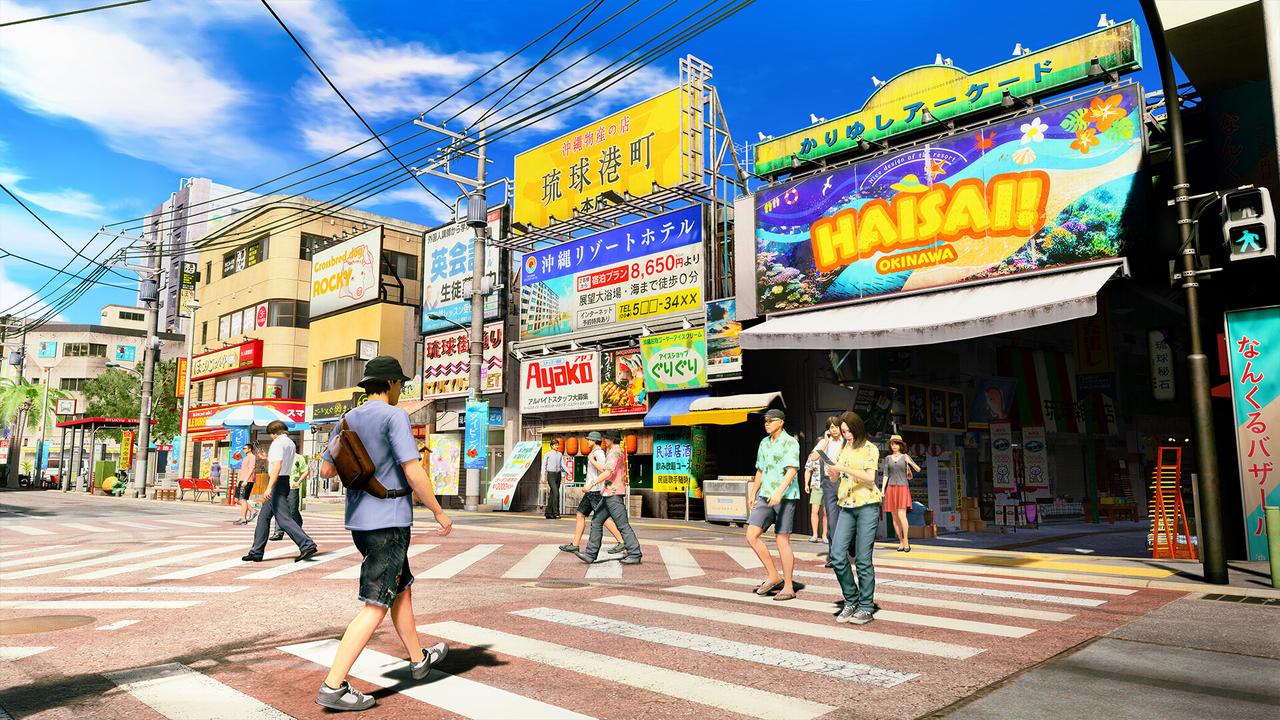
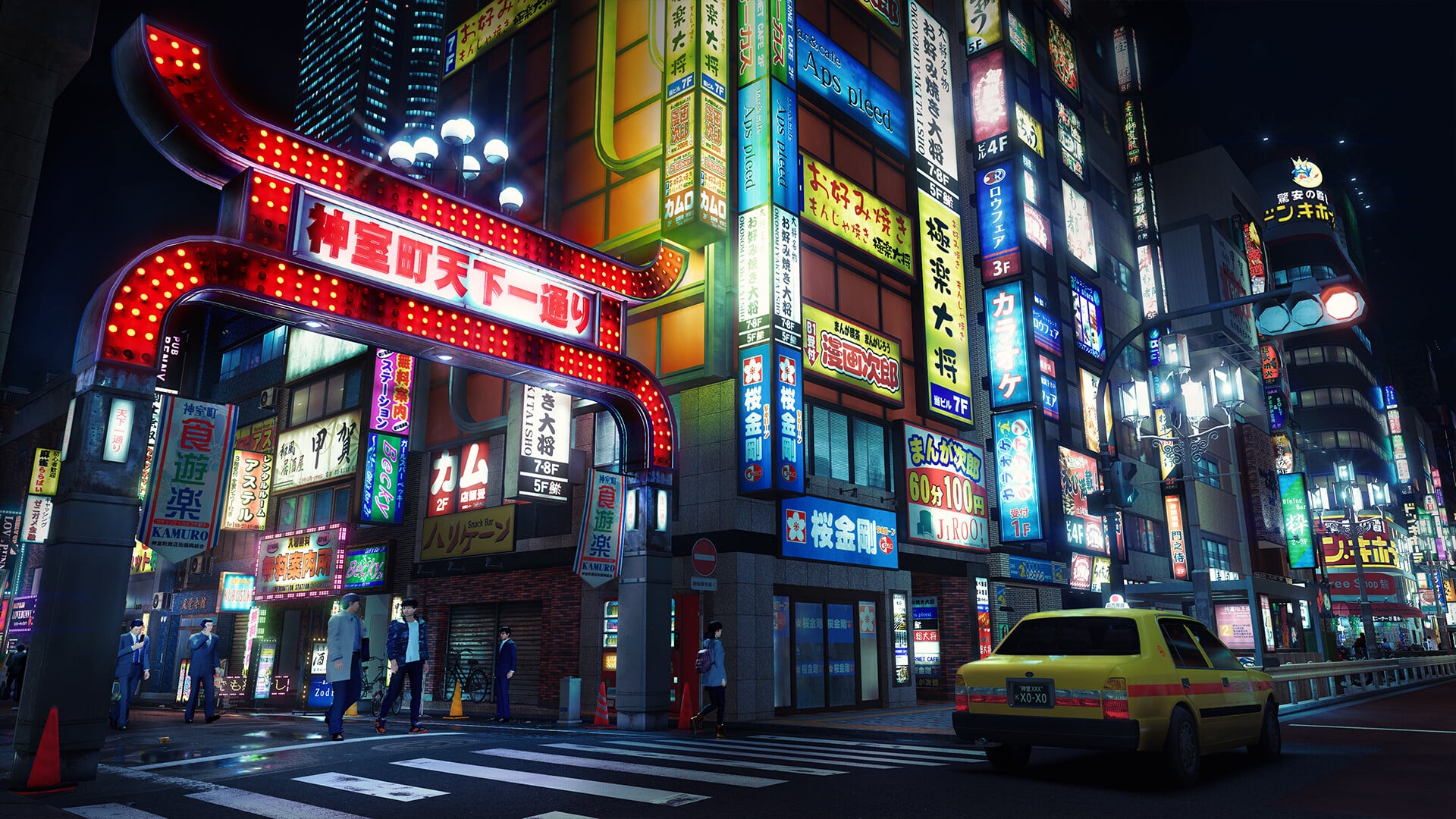
Yakuza Kiwami 3 & Dark Ties looks like it belongs alongside the newer entries in the series, but the improvements show up in how comfortable everything feels rather than anything flashy. Okinawa is where that comes through the most. Walking around during the day feels brighter and more open, and the beach, streets, and neighbourhoods are easier to tell apart instead of blending together.
Kamurochō still feels tight and crowded, just in a different way. Streets are packed, lighting is heavier, and there’s always something moving in the background. Going back and forth between the two places makes that contrast clear, and it fits how the game wants you to feel about each location.
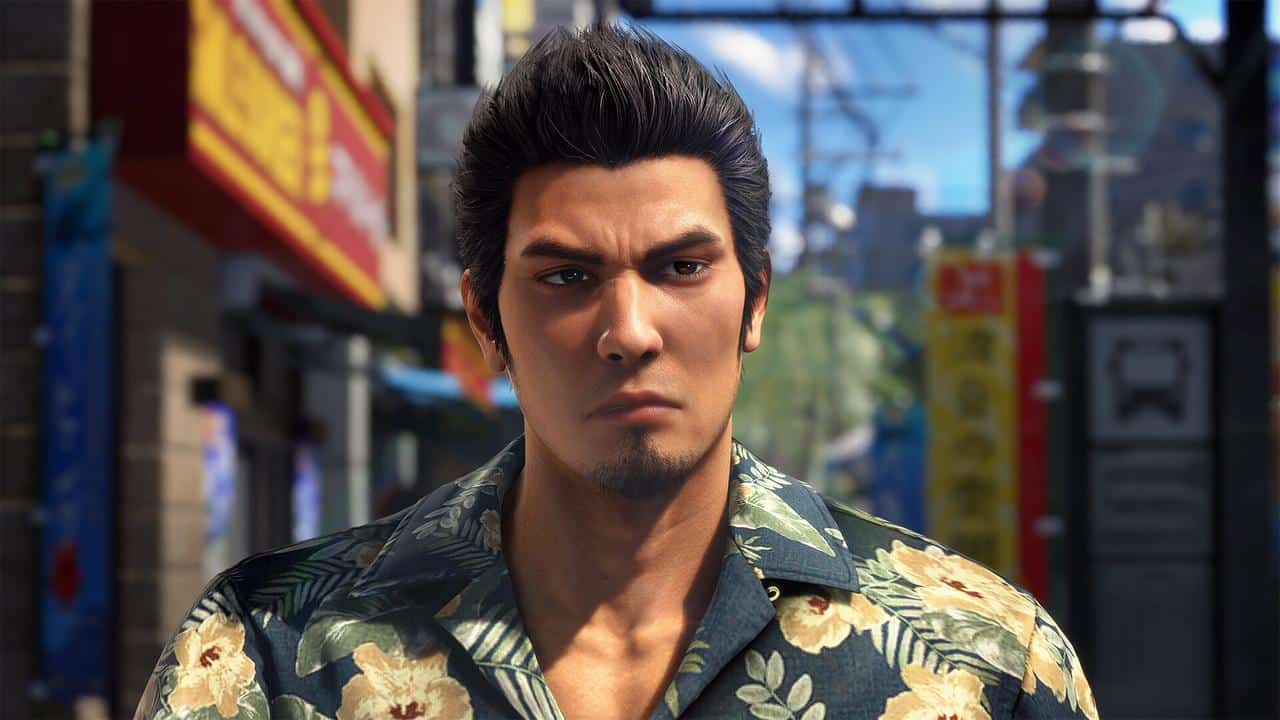
People look better than they did before, but it’s not perfect. In simple conversations and close-ups, characters look fine and do the job. When scenes slow down and rely on small reactions, you’ll notice faces don’t always keep up. In those moments, you’re paying more attention to what’s being said than what’s happening on someone’s face. It doesn’t break scenes, but it is noticeable.
How It Looks, Sounds, and Holds Together
The game runs smoothly from start to finish. Moving through both Okinawa and Kamurochō feels responsive, and getting in and out of buildings or fights happens quickly enough that nothing drags. Combat especially benefits from this, since fights flow cleanly without hiccups pulling you out of the moment. Dark Ties shares that same smoothness, which helps its faster, more aggressive combat feel controlled instead of messy.
Sound stays out of the way most of the time, but it steps up when a scene or fight needs it. Music stays low during everyday moments and ramps up naturally when fights or story scenes call for it. Street noise, crowds, and environmental sounds help sell each area without becoming distracting. Voice performances do most of the emotional work, especially when character animation doesn’t fully sell a scene, and they stay consistent across the entire package.
Cutscenes stick close to how the original game staged them. Camera angles and pacing feel familiar if you’ve played earlier versions, just clearer and easier to watch this time around. The remake doesn’t try to restage or embellish those moments. It simply presents them more cleanly, which fits the tone of this chapter.
Overall, presentation in Yakuza Kiwami 3 & Dark Ties works alongside the story and gameplay instead of distracting from them. It’s easier to sit down and keep playing than it used to be, even if a few rough edges are still visible when scenes slow down.


Dark Ties Adds a Different Angle to the Same Story
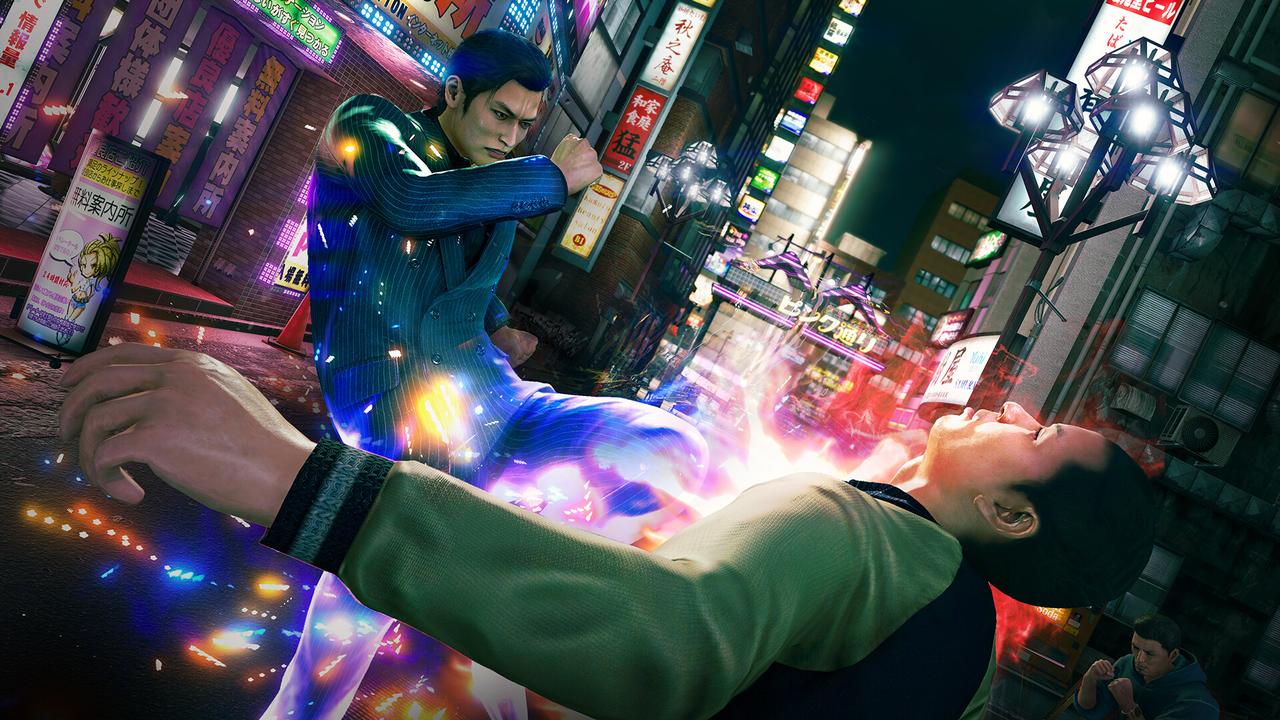
Dark Ties runs alongside Yakuza Kiwami 3 as a focused add-on that gives you a different way into the same world. Instead of following Kiryu, you step into Yoshitaka Mine’s shoes and see what his path looks like before everything in the main story comes together. It’s less about expanding the plot and more about showing how Mine thinks, how he moves through the world, and how his choices start stacking up.
The structure is much tighter than the main game. You’re not drifting between side stories or long stretches of downtime. Things move forward with purpose, and each stretch of play is clearly pointed toward Mine’s rise and the people tied to it. That shorter, more directed setup works well here. Dark Ties stays focused and doesn’t hang around long enough to wear out its welcome.
Combat helps sell that difference right away. Mine fights with constant pressure, staying close and forcing encounters to end quickly. It feels more aggressive than Kiryu’s approach. And that change keeps Dark Ties from blending into the main game even though it shares the same foundation. Fights are quick, intense, and built around momentum rather than variety.
Story-wise, Dark Ties works best as extra context. It’s not something you have to play to understand what’s going on. It fills in more context around characters and moments from Yakuza Kiwami 3. It never tries to retell or overwrite what’s already there. Whether you play it before or after the main story, it fills in gaps without demanding your time.
As part of the package, Dark Ties knows its role. It adds perspective, sharpens motivations, and gives you another way to look at the same events. All without pulling attention away from the main game.
Yakuza Kiwami 3 & Dark Ties Gives This Part of Kiryu’s Story the Space It Needed
Yakuza Kiwami 3 has always stood apart within the series. This remake embraces that rather than trying to make it feel like something else. It spends time on routines, relationships, and place in a way few other Yakuza games do. And the updates help that approach come through more clearly than before. Combat is smoother, and side activities feel more connected to the story being told. Moving between Okinawa and Kamurochō keeps the experience from falling into a single groove.
Dark Ties fits into that picture without trying to compete for attention. It’s shorter and more direct. It’s built around a different mindset, which makes it a good change of pace rather than a distraction. Playing through Mine’s story adds context and texture to the main game, but it never feels like required homework. It’s there to deepen the experience if you want it, not to pad things out.
This release keeps the focus on what makes this part of Kiryu’s story distinct. It doesn’t rush through the slower stretches or overcorrect what made Yakuza 3 feel different in the first place. Instead, it gives that chapter more room to play out. Modern systems support it, with a companion story that adds perspective without pulling focus.
Yakuza Kiwami 3 & Dark Ties isn’t trying to chase the series’ biggest moments. It’s more interested in letting you live in its world for a while. And that makes it one of the more personal entries to revisit.
Yakuza Kiwami 3 & Dark Ties
Summary
Yakuza Kiwami 3 & Dark Ties brings one of Kiryu’s most personal chapters back with smoother combat, stronger pacing, and a clearer sense of place. The remake respects what made Yakuza 3 different, while Dark Ties adds context without pulling focus away from the main story. It isn’t flawless, but as a complete package, it’s an easy chapter to return to and play through.
As always, remember to follow us on our social media platforms (e.g., Threads, X (Twitter), Bluesky, YouTube, and Facebook) to stay up-to-date with the latest news. This website contains affiliate links. We may receive a commission when you click on these links and make a purchase, at no extra cost to you. We are an independent site, and the opinions expressed here are our own.