

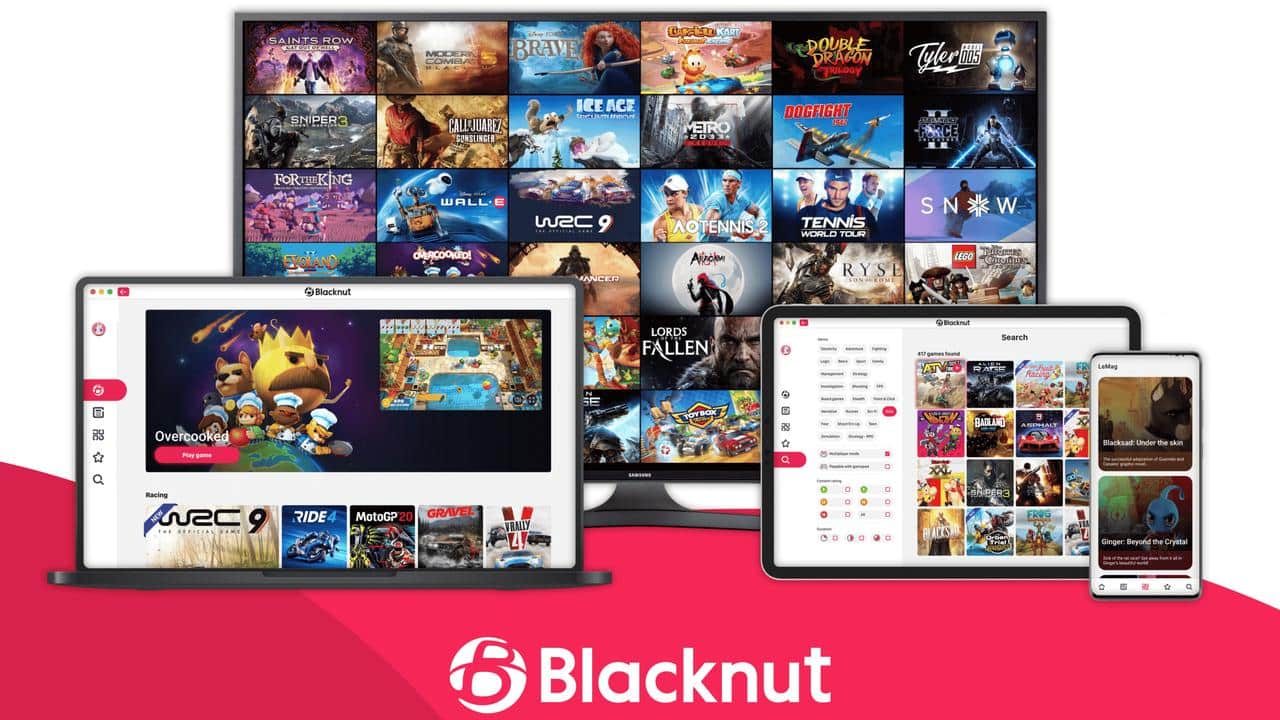
Cloud gaming conversations still tend to borrow the same framing as traditional gaming debates. Consoles. Exclusives. Hardware power. Who’s “winning.” While most of the industry keeps circling those points, Blacknut spent 2025 doing something very different.
It scaled. Not through big announcements or splashy exclusives. Just steadily, across TVs, telecom networks, and regions that don’t always get talked about in cloud gaming conversations. Blacknut’s New Year’s Day recap on LinkedIn finally put real numbers behind that growth, and once you see them, it’s hard to brush them off. This isn’t a hype story. It’s a reach story.

Scale That Doesn’t Rely on Headlines
By the end of 2025, Blacknut passed the 1,000-game mark in its standard catalogue. On its own, that number is easy to skim past. What matters more is how it got there. Blacknut wasn’t padding the library for a single big moment. It added games steadily, averaging around 15 to 20 new titles every month.
That pace tells you a lot. It’s not built around launch windows or short-term promotions meant to spike attention for a week. It’s built around consistency. You’re not jumping in because one game just dropped. You’re sticking around because the library keeps filling in over time.
That approach feels closer to how people actually use cloud gaming. You dip in. You come back later. You try something new without committing to a download or install. A growing catalogue matters more than a single headliner when the whole point is access.
What really changes the conversation, though, isn’t the game count. It’s where those games actually live. One of the biggest takeaways from Blacknut’s 2025 recap had nothing to do with software at all. Blacknut now reaches over 100 million Smart TV devices across brands like Samsung, LG, Philips, Hisense, Toshiba, and others. That’s not 100 million active players, and it’s not being framed that way. It’s availability.
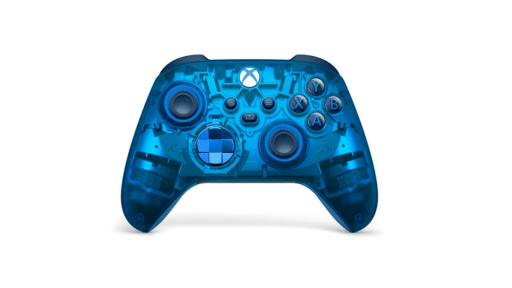
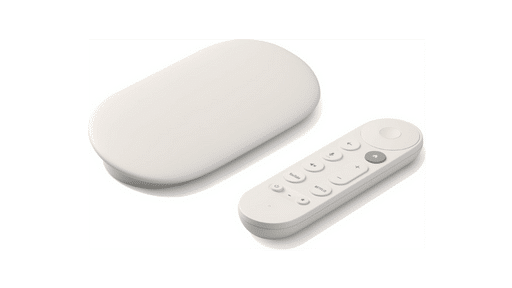
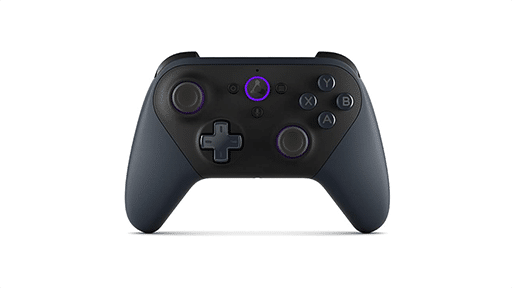
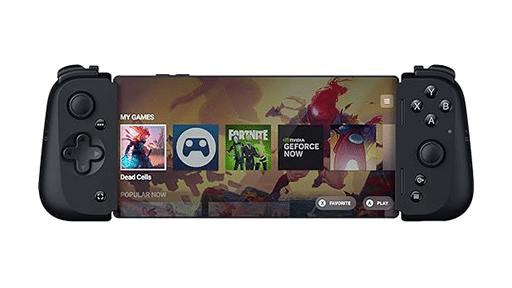
When cloud gaming sits directly on your TV, the barrier drops fast. No console to buy. No PC specs to worry about. No setup spiral. Just a screen you already use every day. Pick up a controller and play. If you’ve been watching cloud gaming slowly drift toward TV-first experiences, this is what that shift looks like when it actually scales. Not as a feature. As a foundation.
Partnerships Doing the Heavy Lifting
A big reason Blacknut looks larger than most people realize is that its growth hasn’t been built around direct subscriptions alone. In 2025, Blacknut operated across 65 countries through 55 partnerships, adding ten new ones in a single year. That’s not a side strategy. That’s the strategy.
Those partnerships include telecom operators like Vivo in Brazil, TrueID in Thailand, Asiacell in Iraq, and groups such as e& UAE and Ooredoo across the Middle East. Blacknut also pushed into new regions, including MENA, Africa, and India, working officially with Jio and JioGames. The common thread is simple. Cloud gaming shows up where people already are, instead of asking them to sign up for something new.
If your internet plan already includes access, or your TV already has the app built in, trying cloud gaming stops feeling like a commitment. You don’t have to go looking for it. It’s just there. That kind of integration doesn’t generate flashy headlines, but it’s how services actually scale at a global level.
Why Publishers Are Buying In
What’s interesting is how that same thinking carries over to publishers. In 2025 alone, Blacknut welcomed 20 new publishers, including Square Enix, Take-Two Interactive, Quantic Dream, Bloober Team, Raw Fury, and others. What stands out isn’t just the names. It’s the lack of exclusivity pressure. Blacknut isn’t trying to lock games away or sell them as reasons to subscribe. It’s selling reach.
For publishers with deep back catalogues or games that benefit from being playable anywhere, cloud distribution through TVs and telecom partnerships makes a lot of sense. The platform isn’t positioned as a gamble or a limited experiment. It’s another way to keep games available and discoverable. That kind of publisher support suggests something important. Cloud gaming, at least in this form, is starting to look less like a test and more like a stable channel.
Zero-Cost Cloud Gaming Is Part of the Plan
One of Blacknut’s most interesting moves in 2025 was the launch of ZAP!, its zero-cost, ad-powered cloud gaming option. This isn’t framed as a replacement for subscriptions. It’s an on-ramp.
On Smart TVs especially, removing the upfront cost makes cloud gaming easier to try, easier to share, and easier to understand. You don’t need to commit before you know if it fits how you play. As cloud gaming continues expanding into new regions and living rooms, models like this feel less like an experiment and more like a necessary piece of the puzzle.

What Blacknut’s Growth Actually Tells You About Cloud Gaming
Blacknut didn’t “win” 2025 in the way most people measure success. It didn’t dominate headlines or redefine expectations overnight. What it did was build presence. Across TVs. Through telecoms. In regions where access matters more than exclusives.
With over 100 games already lined up for 2026, that momentum doesn’t look like it’s slowing down. And while other platforms continue to focus on hardware-adjacent strategies, Blacknut’s progress shows that cloud gaming can grow quietly, globally, and sustainably without asking you to buy into another ecosystem. Sometimes the most important shifts happen without much attention at all.
As always, remember to follow us on our social media platforms (e.g., Threads, X (Twitter), Bluesky, YouTube, and Facebook) to stay up-to-date with the latest news. This website contains affiliate links. We may receive a commission when you click on these links and make a purchase, at no extra cost to you. We are an independent site, and the opinions expressed here are our own.