

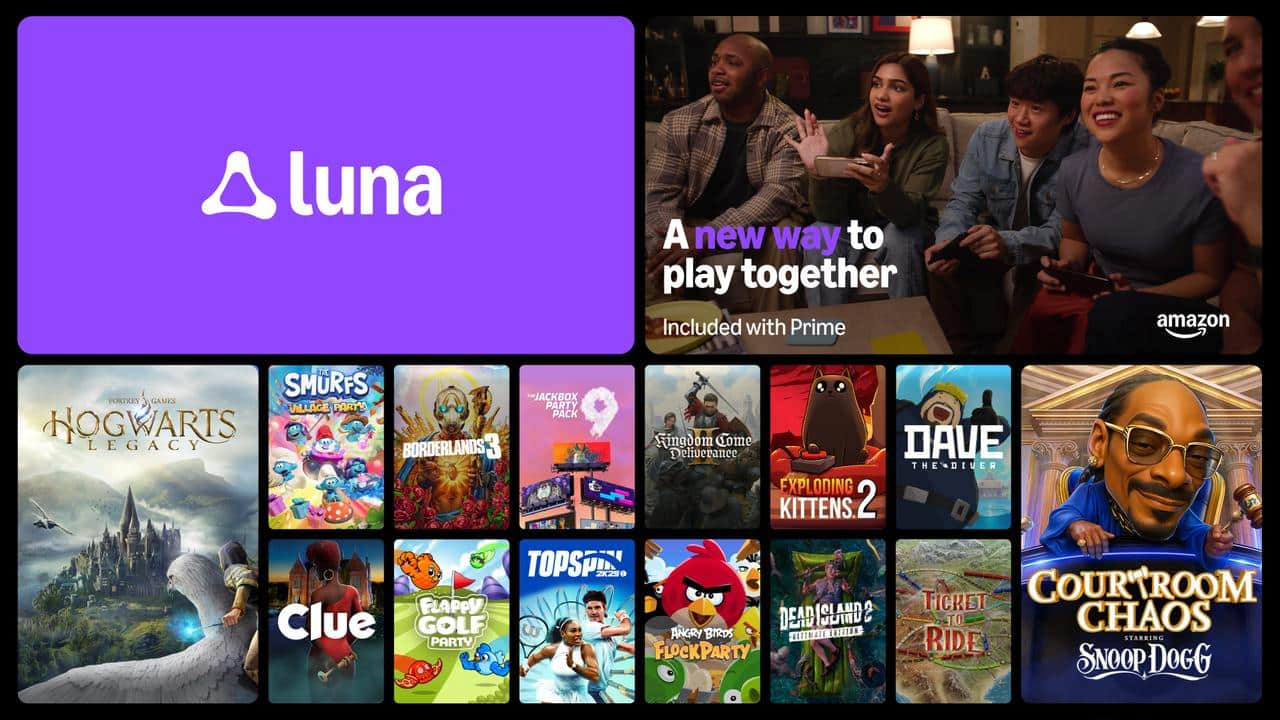
Cloud gaming has reached a point where it mostly delivers on its promise. Playing across screens feels normal instead of novel, and access is no longer the barrier it once was. Amazon Luna fits comfortably into that space. It works well, it’s easy to recommend, and it makes sense as a complement to traditional consoles and PCs.
But after using it over time, something becomes clear. The issue isn’t performance or access. It’s that Luna doesn’t feel like it knows who you are. Luna feels more like a place you visit than a place you return to. That difference becomes more noticeable the longer you use it.
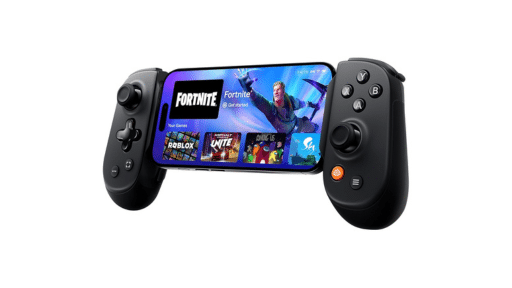
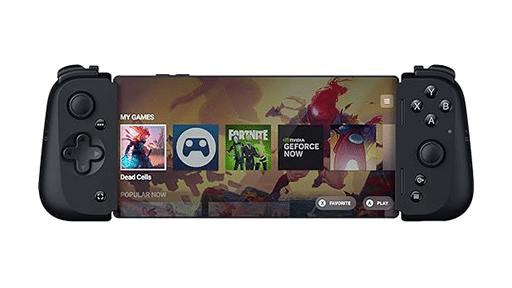
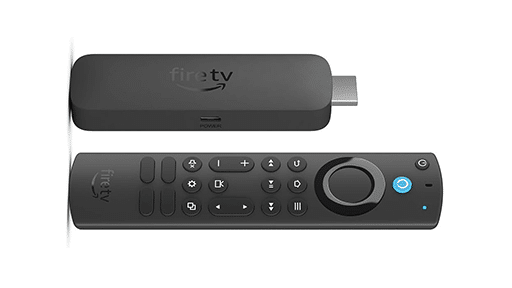
This perspective matters even more after Amazon Luna’s late-2025 overhaul, which repositioned the service around GameNight, social play, and a more accessible Prime-first approach.
Cloud Gaming Already Solved Access
One of Luna’s biggest strengths is how quickly it removes obstacles. There’s no install process to manage, no patches to wait on, and no hardware commitment required. You open a browser or an app, pick a game, and start playing. As an immediate and accessible way to get into games, Luna does exactly what cloud gaming set out to do.
This is the part cloud services have largely figured out. Play anywhere, get started quickly, and avoid setup headaches. In that sense, Luna succeeds. The challenge is what happens after those first few plays.
Player Identity Is What Turns Access Into Attachment
Modern gaming platforms aren’t defined by their libraries alone. They’re shaped by identity. Profiles that reflect play history. Progress that quietly accumulates. Small markers that show time spent carries forward.
Luna does offer some identity features, particularly through its GameNight hub. Players can earn GameNight badges by completing challenges during GameNight sessions, and those badges appear in a dedicated section of their Luna profile.
The limitation is scope. That sense of progression lives inside GameNight rather than across the platform as a whole. It doesn’t extend to most games on the service, and it doesn’t create continuity between different types of play. When you close most games, Luna doesn’t offer much sense of continuity beyond that single experience.
That doesn’t affect short-term play. It affects long-term habits. Platforms that acknowledge your time, even in modest ways, encourage return without pressure. When that acknowledgement is missing, each play can feel isolated. Functional, but disconnected.
Social Play Exists on Luna, but It’s Contextual
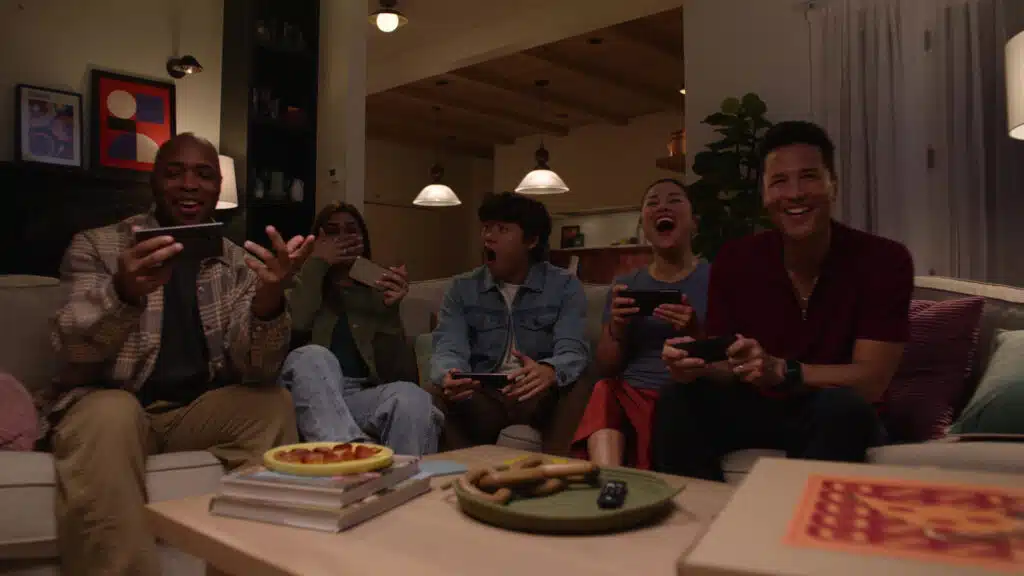
To be clear, Amazon Luna isn’t ignoring social play. In some areas, it’s doing genuinely interesting things. Luna Couch allows you to invite friends to play local co-op games together using a simple code, even if those friends aren’t subscribed to Luna. They just open a link, connect, and join in. Guest Mode also lets people in the same room use their phones as controllers, lowering the barrier to playing together even further.
Luna’s GameNight channel and select titles also support online multiplayer, depending on the game. In the moment, all of this works well. It’s approachable, flexible, and easy to explain. The limitation isn’t the absence of multiplayer. It’s that those social moments don’t persist. Even with GameNight badges tracking participation, the social context around those moments still resets once play ends.
Once a Luna Couch game ends, the connection usually ends with it. There’s no persistent friends list tied to those experiences, no simple way to see who you played with previously, and no lightweight messaging layer to turn a shared moment into something ongoing. Luna treats social play as an event rather than a relationship.
Why Persistence Matters More Than Features
Event-based multiplayer makes it easy to jump in, which fits Luna’s tone. But persistent social features serve a different purpose. They create continuity without demanding commitment.
On platforms with even basic social layers, seeing a familiar name online can prompt another game without planning. A short message can replace coordination. Over time, these small touchpoints turn occasional play into a pattern.
Luna’s approach keeps play clean and casual, but it also keeps it isolated. Each multiplayer moment stands on its own, disconnected from the next. That works for spontaneous play, but it limits how those moments build over time.
Identity and Social Features Are Linked
Player identity isn’t only about profiles or progression. It’s also about presence. The people you play with. The names you recognize. The sense that someone else is there with you.
Profiles, play history, lightweight progression, friends lists, and messaging all serve the same quiet function. They acknowledge that time spent together matters beyond a single game. Those small acknowledgements are often what separate a platform people try from one that develops a sense of community.
Luna already understands how to remove barriers to playing together. What it hasn’t done yet is give those shared moments a place to live afterward.
This Isn’t About Chasing Engagement Tricks
There’s an important line here, and Luna doesn’t need to cross it. This isn’t a call for battle passes, daily challenges, or aggressive retention loops. Cloud gaming doesn’t need more incentives. It needs more continuity.
Optional identity features respect how people want to play. They don’t force commitment. They allow it to form naturally. Right now, Luna does a good job at being easy to start. The biggest issue is that it struggles to give players reasons to feel anchored once they’re there.
What Amazon Luna Needs to Focus on Over Time
Cloud gaming already solved where you can play. What Amazon Luna is still working toward is how the platform remembers you, and how players remember each other.
Amazon Luna works well. It does what it says. But without stronger identity and social foundations, it risks remaining a service people try rather than a place they return to.
For cloud gaming to grow beyond convenience, it needs to feel personal. Not louder. Not busier. Just more aware of who’s playing, who they play with, and what brings them back.

As always, remember to follow us on our social media platforms (e.g., Threads, X (Twitter), Bluesky, YouTube, and Facebook) to stay up-to-date with the latest news. This website contains affiliate links. We may receive a commission when you click on these links and make a purchase, at no extra cost to you. We are an independent site, and the opinions expressed here are our own.