


CUJO AI is exploring how internet providers could assess cloud gaming quality based on the device you’re playing on. The company develops software for identifying connected devices and analyzing network performance. A US patent application titled Determining Cloud Gaming Quality of Experience was published on November 19th under publication number US20260364448A1. It lists Cujo LLC as the applicant and Dorel Yaffe as the inventor.
A network connection that handles a 1080p stream on your phone may not have enough bandwidth for a 4K stream on your TV. CUJO AI’s proposed technology takes screen size, resolution and refresh rate into account when evaluating network performance. It could also adjust network traffic or recommend changes to improve your cloud gaming experience.

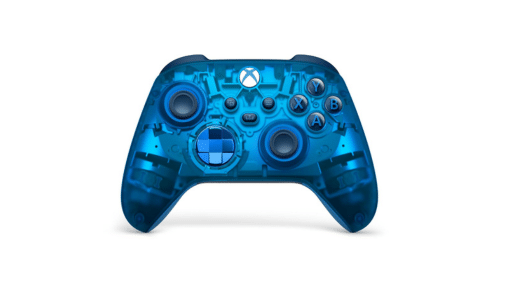
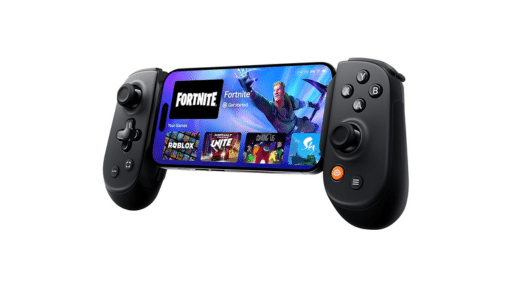
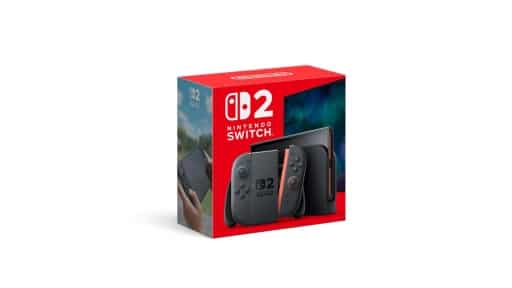
Cloud Gaming Requirements Across Different Devices
How much benefit you get from a higher-resolution stream partly depends on the size of your screen. The difference between a 1080p and 4K stream may be less noticeable on a smartphone than on a large television.
A 120 Hz display can update twice as often as a 60 Hz display, but the benefit also depends on the frame rate of the game being streamed.
Here are some examples of network performance targets from CUJO AI’s patent application.
| Resolution | Refresh rate | Bandwidth | Network latency |
|---|---|---|---|
| 1080p | 60 Hz | 10–15 Mbps | Below 50 ms |
| 1080p | 120 Hz | 15–20 Mbps | Below 40 ms |
| 1440p | 60 Hz | 15–20 Mbps | Below 50 ms |
| 1440p | 120 Hz | 20–25 Mbps | Below 40 ms |
| 4K | 60 Hz | 25–40 Mbps | Below 50 ms |
Network latency is only one part of the delay between pressing a button on your controller and seeing the action on screen. Processing at the cloud gaming server and delays introduced by your display also contribute.
Measuring Cloud Gaming Quality
CUJO AI proposes monitoring network traffic to identify when someone is actively playing a game through a cloud gaming service. The technology could analyze patterns in the traffic to identify the connected device, including its make and model.

One implementation would operate through internet access equipment, such as a home router, without requiring additional software on your gaming device.
Once the device has been identified, actual network performance can be compared against targets suited to its display. Those targets could come from a database or a machine learning model trained to determine how different displays affect network requirements.
Along with bandwidth and latency, the assessment considers jitter and packet loss. Even with sufficient bandwidth, variations in latency or missing data packets can interrupt gameplay and cause inconsistent response times.
CUJO AI also proposes assessing video quality and responsiveness separately. You might be getting a clear, high-resolution picture but experiencing a noticeable delay every time you press a button.
Improving Cloud Gaming Performance
One proposed method would classify cloud gaming quality as suboptimal, optimal or above optimal. The classification would depend on whether network performance falls below, meets or exceeds the targets established for your device.
The assessment could also account for existing cloud gaming technologies, including adaptive bitrate streaming and AI-assisted upscaling. Adaptive bitrate streaming can adjust video quality as network conditions change. AI-assisted upscaling can improve the appearance of a lower-resolution stream.
After identifying a performance problem, the technology could adjust network traffic, provide feedback or recommend corrective actions. These adjustments and recommendations could occur during gameplay or after you’ve finished playing.

CUJO AI’s Work With Internet Providers
In April 2025, the company announced its acquisition of Domos, combining its device intelligence technology with Domos’ Quality of Outcome (QoO) framework.
QoO translates network measurements into performance scores for individual applications. CUJO AI’s existing Network Intelligence technology uses this framework to identify network problems and recommend improvements.
In October, Vodafone announced plans to introduce CUJO AI’s QoO technology across millions of its Wi-Fi 7 broadband home hubs in Europe. Vodafone’s announcement doesn’t identify the device-specific method described in CUJO AI’s patent application. The software assigns individual applications a performance score between 0% and 100%. Vodafone says it does this without inspecting the contents of data packets or using customer details.
Vodafone has tested QoO alongside Low Latency DOCSIS to measure how network improvements affect gaming, video conferencing and other cloud services. For internet providers, CUJO AI’s proposed device-specific assessment wouldn’t depend on which cloud gaming service you’re using.
As always, remember to follow us on our social media platforms (e.g., Threads, X (Twitter), Bluesky, YouTube, and Facebook) to stay up-to-date with the latest news. This website contains affiliate links. We may receive a commission when you click on these links and make a purchase, at no extra cost to you. We are an independent site, and the opinions expressed here are our own.