


Cloud gaming keeps getting better. You feel it when a game loads instantly on your phone. You feel it when a big action scene still looks sharp on a weak laptop. Even switching devices mid-session feels normal now. That convenience makes it easy to forget the massive GPU horsepower working out of sight.
There is a bigger story happening behind those smooth moments. It is no longer about whether cloud gaming works. It is about how the companies behind it scale up enough hardware to keep it working worldwide. Performance, access, and global reach all depend on the same thing. Huge data centers powering everything without slowing down. Cloud gaming data centers are becoming the real hardware behind modern play.
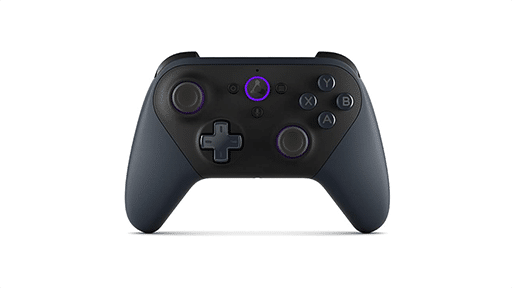
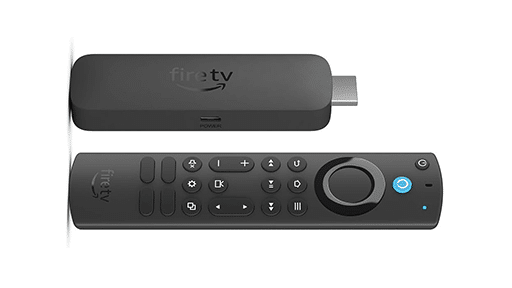
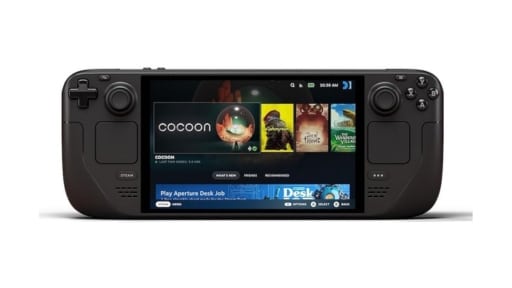
This came into sharp focus reading a recent Forbes article written by Ivan Shvaichenko. He is the founder and CEO of Boosteroid. We recently covered Boosteroid’s major wins at the 2025 International Business Awards, which shows how fast the company is gaining recognition worldwide. In the Forbes article, Shvaichenko argues that data centers have become the new industrial backbone. They now support AI tools and cloud gaming alike. That instantly stood out because we see the impact every day. Faster streams. Shorter latency. Better graphics in more places.
Shvaichenko believes that demand for GPU servers will grow into the millions. Not a small increase. A massive one. He also suggests the competition is shifting. It is not just about content or price anymore. It is about how fast each company can build and place new compute closer to the user.
That means the future of cloud gaming depends on infrastructure in a way we rarely think about. Cloud gaming has already proven the model works. Now it just needs more horsepower and more global coverage to match what gamers want. It is exciting and a bit overwhelming to think about at the same time.
Cloud Gaming as the Original GPU Stress Test
Cloud gaming has been pushing data centers to their limits for years. Gamers expect every frame to hit on time. They jump into fast action and assume it will just work. When the stream drops quality or input feels off, you feel it instantly.
That pressure forced providers to deliver console-level visuals and quick response on devices that were never meant to handle those workloads. A basic laptop or phone can run demanding games because the heavy lifting happens somewhere far away. When it works, it feels like magic.
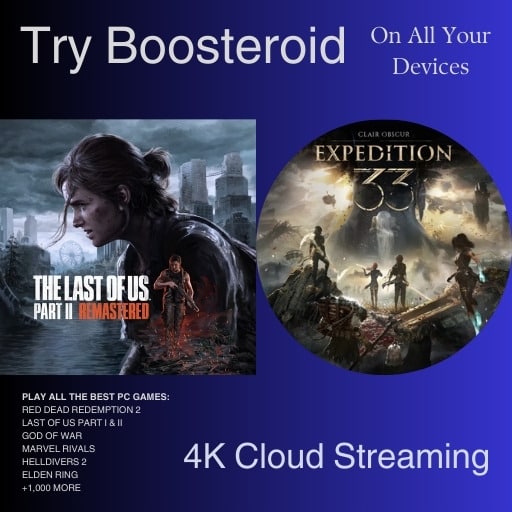
Shvaichenko points out that this shift lets people play serious games on lightweight devices. A laptop without a real GPU could suddenly feel powerful. It was a preview of what virtual desktops and creative tools are now doing in offices. Gaming proved the model. It showed that remote compute could replace local hardware as long as the performance held up. Google once said that “the data center is your platform” when announcing Stadia, and that idea is closer to reality than ever now.
Cloud gaming basically wrote the rulebook for modern real-time streaming workloads. It turned the data center into a silent part of the gaming experience. When it works well, you stop thinking about the servers entirely. That is a win, but it also makes the challenges behind the scenes easier to overlook.
AI Accelerates Demand for GPU Servers into the Millions
AI has become something we barely think about, but it is everywhere. You get suggestions while typing an email. A spreadsheet guesses the numbers you need next. Search results arrive already summarized. These tiny conveniences add up to a constant stream of compute happening in the background.
Shvaichenko describes AI as a quiet co-worker. It looks at what you do and tries to help before you ask. That friendly behavior requires serious computation every time it predicts a result or generates content. The heavy processing happens in remote GPU clusters, not inside your device.
This is where the scale gets surprising. He says the world is moving from thousands of GPU servers to millions. That is a giant leap. The current generation of infrastructure cannot handle that kind of load for long. It was not built for AI running on every screen at once.
The result is a growing pressure to upgrade data centers fast. New systems need stronger cooling, better power efficiency, and far more hardware packed into smaller spaces. They also need to be close to where people live and work. AI loses its usefulness if responses feel slow.
This shift pulls cloud gaming along with it. Both rely on fast computation that feels instant. Both depend on giant networks of GPUs working behind the scenes. AI just pushed the need into overdrive.

The New Data Center Baseline Gamers Depend On
Shvaichenko says the world now needs a new kind of data center to keep up with AI and cloud gaming. It starts with the hardware itself. GPU clusters run hot when they work at high load around the clock. That means advanced cooling systems need to take over. Liquid cooling and immersion setups help keep temperatures down without wasting energy.
Power design also needs to change. Modern facilities focus on efficiency because every watt counts. Better thermal management and smarter power distribution mean lower costs and less waste long term. It is a practical fix and a sustainability win at the same time.
There is also the challenge of scale. Data centers must be able to grow quickly without rebuilding from scratch. Modular layouts let companies expand in steps. They add compute when and where demand rises instead of overbuilding early. It gives flexibility and avoids downtime.
The final piece is geography. Data centers have to sit closer to the people using them. That cuts latency. It also supports national rules for infrastructure and data access. Gamers do not think about where their stream is coming from, but location decides how responsive a game feels.
All of these upgrades benefit cloud gaming directly. Faster servers mean more consistent image quality during busy scenes. Better efficiency lowers operating costs, which helps keep streaming services competitively priced. Most importantly, more facilities spread around the world improves responsiveness. A button press should feel instant. That depends on compute living closer to the person holding the controller.
The idea is simple. Replace distance with speed. Make high performance feel normal everywhere. If companies can pull that off, cloud gaming becomes less of a feature and more of the standard way to play.
How the Major Cloud Gaming Platforms Compete on Reach
Infrastructure is where cloud gaming companies start to show real differences. Shvaichenko highlights that success depends on putting compute closer to each user. When a gamer’s input has less distance to travel, everything feels smooth. That challenge plays out differently across the major services today.
If you want to see where datacenters are currently located for each service, our Cloud Gaming Datacenter Locations page has a full interactive map.
Here is a quick look at the current landscape:
| Platform | Standout Strength | Competitive Challenge | Geographic Focus |
|---|---|---|---|
| Boosteroid | Wide device support and gamer choice with BYOG | Expanding coverage to new regions takes time | Large presence in Europe with growth beyond |
| GeForce NOW | Top-tier performance with strong PC library support | Availability of premium tiers varies by country | Western markets first with selective rollout |
| Xbox Cloud Gaming | Day-one access to major titles through Game Pass | Resolution limits still in place in many regions | Expands as Game Pass tiers expand |
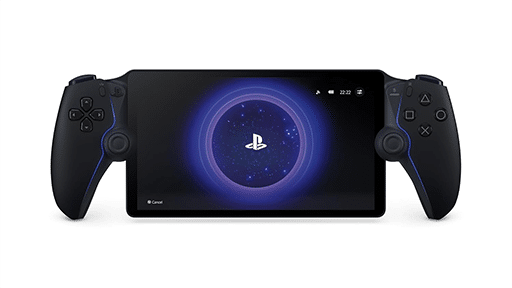
| PlayStation Cloud Gaming | Access to Sony first-party titles for streaming | Limited device support and slower expansion than rivals | Available in select regions tied to PS5 infrastructure |
| Amazon Luna | Prime and Fire TV integration is seamless | Library changes have slowed its traction | Mainly focused on the U.S. for now |
| Blacknut | Partnerships with telcos boost reach and accessibility | Less known among core enthusiasts | Rapid expansion through carriers worldwide |
These differences show how each company approaches the same problem. Performance alone does not decide everything. Sony is still developing its broader cloud strategy, but streaming its own games within available regions makes PlayStation a meaningful competitor in this space. Streaming needs consistency. It needs capacity. It needs local presence so latency does not ruin the action.
Shvaichenko’s argument makes the picture clearer. Services that grow their infrastructure quickly will be able to deliver better experiences in more places. Those who build smartly can control cost and still expand. And the ones who solve both problems at scale will lead the next generation of cloud gaming.
For gamers, that competition is the best outcome. You should not have to think about where a data center is. You just want the game to react the moment you hit a button. The services that get closest to that feeling everywhere will earn long-term trust.
Why Data Center Upgrades Change How Your Games Feel
You notice when the picture stays clear and sharp. Your inputs react fast. The game feels like it is running right in front of you.
That feeling only happens when GPU power is close enough to deliver fast response. Shvaichenko stresses that physical distance matters. Data centers built near where you live reduce the time it takes for your input to travel. Games feel more responsive because the signal has less ground to cover.
Speed is not the only improvement. When companies upgrade cooling and power design, servers stay more stable at high load. That keeps visuals consistent during the busiest scenes. You are less likely to see sudden drops in detail or brief stutters when everything hits at once.
New designs also let companies add more capacity in regions that need it. That means shorter wait times to start playing and better quality during peak hours. Your experience does not dip just because everyone else is online too.
All of these changes connect back to one thing. The more efficient the data center, the better the game feels in your hands. Cloud gaming keeps improving because the foundation underneath keeps evolving.
A New Industrial Era Powered by Compute Infrastructure
Shvaichenko’s view puts cloud gaming into a much bigger picture. Data centers have become the backbone for how we work, communicate, and play. They now carry the weight that local hardware used to handle alone.
The shift already changed how people think about devices. A cheap laptop can run a massive open-world game because the real performance lives somewhere else. Phones and TVs become windows into hardware that is far more powerful than anything they could hold inside.
The next step is scale. More servers in more places. Smarter cooling. Lower energy use. Faster response. Everything working together to make high-performance gaming feel normal everywhere, not just in a few well-served regions.
That is why infrastructure matters. Infrastructure decides how easily you can start a game and how smooth it feels once you do. It also affects whether everyone gets the same level of performance, no matter their device.
Cloud gaming has already proved that the technology works. Now it grows as fast as the data centers behind it. The future depends on how quickly companies can build that foundation. So what happens when gaming hardware stops being limited by where you live?
As always, remember to follow us on our social media platforms (e.g., Threads, X (Twitter), Bluesky, YouTube, and Facebook) to stay up-to-date with the latest news. This website contains affiliate links. We may receive a commission when you click on these links and make a purchase, at no extra cost to you. We are an independent site, and the opinions expressed here are our own.