


I’ve always found it odd that a vocal group of gamers actively champions the idea that games should be playable only on a single console when released. To me, forcibly coupling software to specific hardware has always been a great sin in technology. The goal of that practice is always consumer lock-in.
I want to use the apps I want on whatever hardware I want – many times even in places beyond the original dreams of the developers! Over the years, I’ve built projects with home-theater PCs, Arduinos, Raspberry Pis, smartphones, tablets, laptops, and PCs running just about every OS imaginable.
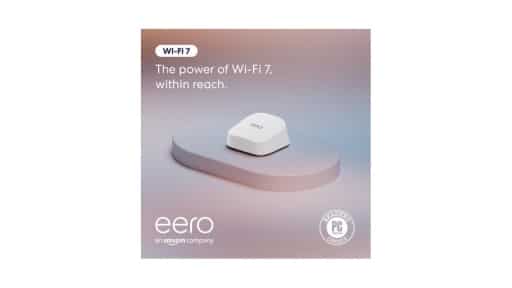
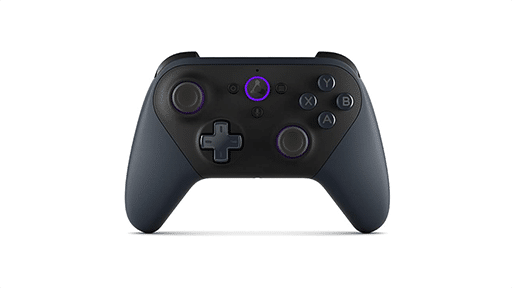
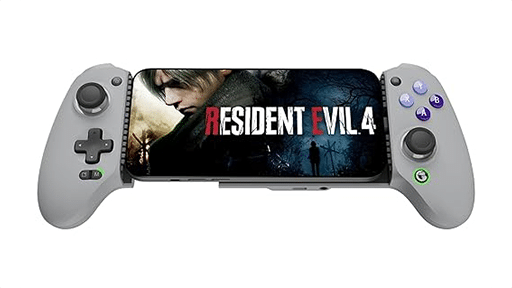
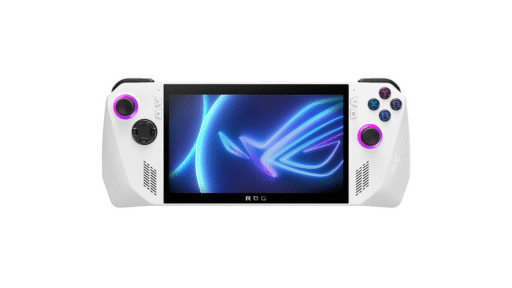
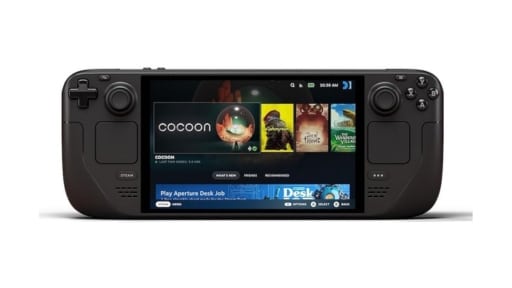
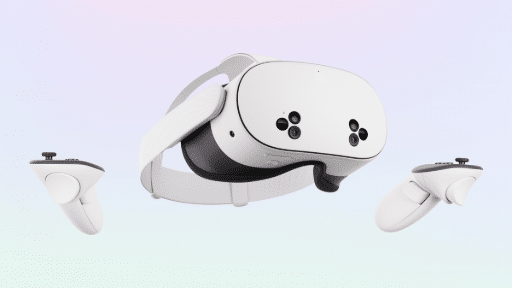
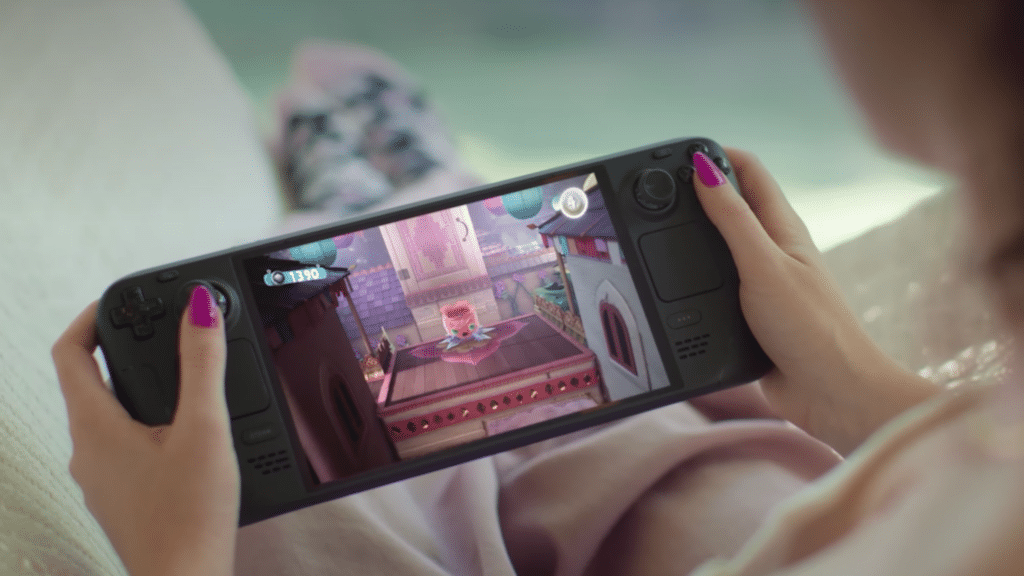
Plus! Good things happen when you let hardware companies compete and innovate. There are literally 100s of excellent ways to play PC, Mobile and Retro games these day. The gaming handheld space is on fire, Linux gaming is heating up, and you’ve got great cloud gaming options pretty much all around the world.
Despite all these great options, some die-hard gaming fans insist that a specific type of plastic box connected to their TV is the only place certain games should be played. Why?
The Old Logic Behind Exclusives
The sentiment behind support for hardware “exclusive” content isn’t without merit. For many a decade, the world primarily consumed content via different centralized boxes in the home. The VCR, the Stereo System, the DVD Player, and, yep, the video game console. In each media category, we witnessed bitter battles over formats – think VHS vs. Betamax, HD DVDs vs. Blu-ray, CDs vs. cassettes vs. 8-track vs. records. And, yes, there are the console wars of the video game space.
Winning one of these battles and controlling a de facto media standard was highly lucrative for the companies that owned the IP or controlled the platforms. For consumers who picked losing technologies as early adopters, the blow could be crushing.
In many cases, victory in these battles had little to do with the actual technology at play and its pros and cons, but instead with the content each side lined up to support its platform (and support exclusively its platform).
A gaming console, in particular, has traditionally been a significant investment for a family (even more so for an individual). Therefore, you can imagine how weary gamers of the past would have been about picking the wrong “team.” And, I use the word “team” here intentionally, because that is how our tribalistic human brain thinks. When you choose a side in one of these contests, it becomes “us” vs. “them.” People naturally want to try to pro-actively protect their investment – make sure it stays a good one over time.
Exclusives sell consoles -> Having a large population of consoles in the hands of gamers attracts third party developers -> More developers means more revenue and more games for gamers -> And, a wonderful cycle of success builds on itself.
That’s the logic. Makes sense right? So, it makes sense for someone invested in their purchase of plastic-box type-a to cheer for exclusives on plastic-box type-a right? Right?
The Math is Changing
The Logic behind hardware exclusives may have indeed made sense in the past. But, something started changing in the past decade or two. Instead of having a single centralized place in our lives where we consume media, we began consuming media on the many devices that started to surround us.
Instead of just a living-room boombox, we now blast our music and podcasts from our phones, watches, PCs, smart speakers, smart displays, etc.
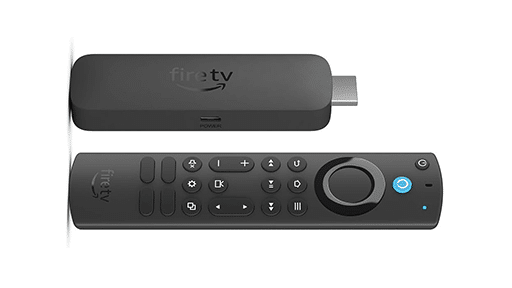
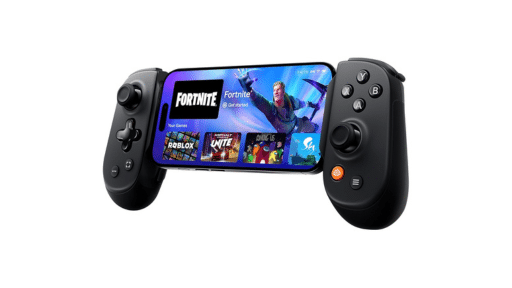
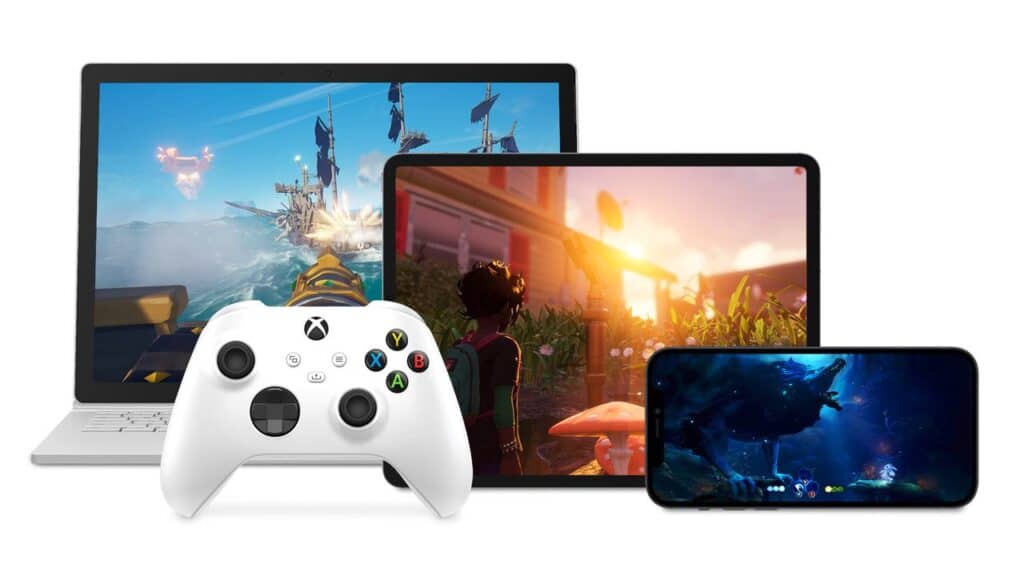
We are also now surrounded by screens from which to play all our videos, and which are already capable of accessing games as well! The phone is a main one people carry everywhere, but also handhelds and tablets, laptops and PCs, and TVs (often multiple per house) with smarts built in are all game-ready! Even car infotainment centers are getting in on the gaming action. You don’t need to purchase a new plastic box and connect it to just one screen in one room of your house anymore. You can game on the likely 10+ screens you already have all around you.
As we think about the timeline for this digital and multi-device transformation in media, music – with the lowest data and compute demand – transitioned first. The transition of video – with data and compute requirements higher than audio but less than interactive content – made the transition to a multi-device digital model next. That transition is more or less complete at this point.

Interactive content (video games) is next. We are still just at the beginning of the transition. But, mark my words, 15 years from now, having your game library locked to physical discs or a single plastic box will be the exception rather than the rule.
I already routinely play titles from my AAA game library on my console, on my phone via cloud gaming, on PC, on a Chromebook when travelling, on the ROG Ally handheld I just picked up, and on other TVs in different rooms of my house via cloud as well. There’s no going back!
Having a game being exclusively playable on only one of those options feels pretty lame in 2025 (looking at you, Death Stranding 2).
Exclusive Titles May Still Have a Place in Subscriptions
Looking at the streaming video and audio space, exclusives still do have a place; they just aren’t tied to hardware. Netflix, Disney+, Apple Music/TV, Spotify, and other services heavily rely on exclusive shows, movies, podcasts, etc., to attract subscribers. Admittedly, though, some of these “exclusives” can also be purchased from other digital storefronts.
As a consumer, this type of subscription-exclusive content is much more palatable to me than hardware-specific exclusives. There is little to no lock-in. Subscriptions can be added and removed with minimal friction. And all options work with all my favorite devices.
Goodbye Console Wars
While a group of hardcore gamers bemoans the end of the console wars, I, for one, say good riddance. I recommend cutting the cord from the plastic box in your life and joining the growing number of us who game anywhere and everywhere that suits us.