

The Game Developers Conference has always been one of the most important gatherings in the industry, but this year feels different in a way that goes beyond new tech or bigger booths. The shift to the GDC Festival of Gaming name isn’t just a branding tweak. It signals a broader change in how games are being positioned within entertainment as a whole.
This year’s event focuses less on the idea of GDC as a purely developer-focused conference and more toward a wider industry conversation. That shift becomes especially clear when looking at the kinds of voices being highlighted on the schedule.
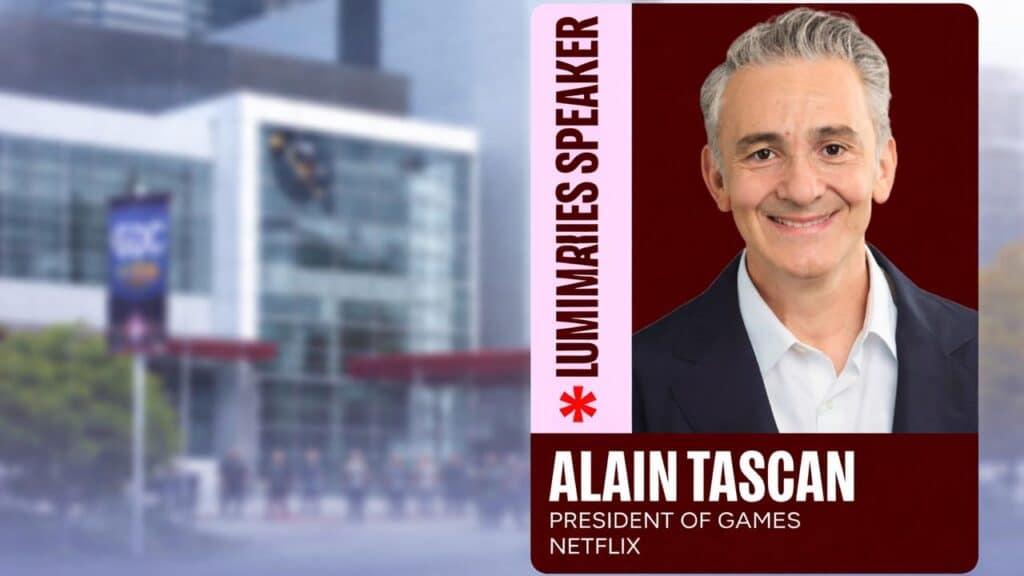
One of the clearest examples is a featured session with Alain Tascan, President of Games at Netflix, set to take place during the Luminaries Speaker Series. The topic centres on the evolution of entertainment and gaming’s role within it, showing how the industry views itself in 2026.
This is not about tools, engines, or workflows. It is about where games fit in the larger media landscape.
GDC Is No Longer Just a Developer Conference
For years, GDC’s identity was tightly tied to game development itself. It was where designers talked shop, programmers shared hard lessons, and studios compared notes on what worked and what did not. That core still exists, but it is no longer the entire picture.
The Festival of Gaming branding reflects something broader. The event now places more emphasis on business strategy, entertainment convergence, audience reach, and the long-term direction of the industry. The decision to have Hideo Kojima headline the event with a talk focused on creative independence and starting over further reinforces how GDC is leaning into broader conversations about the role of games in the entertainment world.
The addition of more high-level talks and cross-industry speakers shows how the industry now discusses games alongside film, television, and streaming rather than apart from them. This is not a sudden change. It has been building for years as games have grown into one of the largest entertainment sectors in the world. What feels different now is how openly the industry acknowledges that shift.
GDC is no longer just a place where games are made. It has become a place where the industry discusses the future of entertainment.
Netflix’s Presence Highlights a Broader Trend
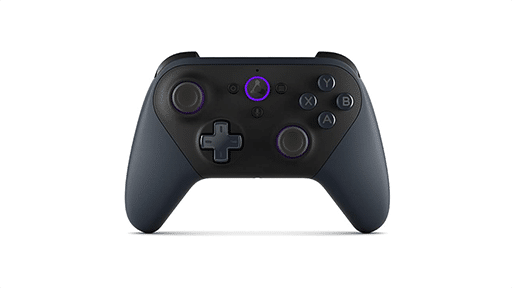
The inclusion of Netflix’s President of Games in the Luminaries series is telling. This is not a technical session or a niche panel. It serves as a clear example of how games are being discussed within a much larger conversation, especially as Netflix continues to position cloud gaming as part of its long-term streaming strategy.
Netflix’s approach to gaming has always been less about traditional console competition and more about long-term ecosystem thinking. Games, in this context, are not isolated products. They are part of a wider content strategy that includes television, film, and interactive experiences.
Whether or not Netflix’s gaming efforts ultimately reshape the market is beside the point. What matters is that a major entertainment company sees games as important enough to place them at the centre of its future plans and to discuss them at one of the industry’s most visible events. That alone shows how the industry now views games.
The Industry Is Thinking Beyond Platforms
One of the quiet themes emerging from events like GDC Festival of Gaming is a move away from platform-first thinking. Instead of focusing strictly on consoles, PCs, or devices, the conversation is shifting toward access, engagement, and longevity.
This is where the broader entertainment context becomes important. The industry now discusses games in the same terms as streaming shows or ongoing series. They are things people return to over time, talk about socially, and engage with across multiple screens.
The industry is also becoming more comfortable acknowledging that games are part of a larger media ecosystem. Players do not experience games in isolation anymore. They discover them through video, social platforms, live streams, and recommendations in the same way they discover shows or movies. GDC’s evolution reflects that reality.
A Subtle but Meaningful Shift
The Festival of Gaming approach feels deliberately restrained. There are no bold declarations about the future of gaming and no attempt to present this as a reinvention. Instead, you can see the shift in who is invited to speak, how sessions are presented, and the language used to describe the event itself.
The industry is no longer trying to justify games as a legitimate form of entertainment. That conversation has already happened. What remains is a more practical discussion about how games continue to grow and exist alongside film, television, and other digital media.
GDC Festival of Gaming 2026 doesn’t represent a sudden turning point. It reflects a direction that has been forming for years. The industry now treats games as ongoing experiences shaped by communities and long-term engagement, rather than isolated products. The presence of companies like Netflix in prominent speaking roles reinforces that shift.
Rather than trying to set the agenda, this year’s GDC reflects where the industry already is. The tone of the event, the sessions being highlighted, and the voices on stage all show an industry that has settled into its place within the broader entertainment landscape.
As always, remember to follow us on our social media platforms (e.g., Threads, X (Twitter), Bluesky, YouTube, and Facebook) to stay up-to-date with the latest news. This website contains affiliate links. We may receive a commission when you click on these links and make a purchase, at no extra cost to you. We are an independent site, and the opinions expressed here are our own.