


For a lot of people, the upcoming 100-hour monthly cap on GeForce NOW feels like old news. The policy was announced back in 2024, and for a while it was easy to shrug off. Most users would never hit it. Existing subscribers were protected. Cloud gaming still felt like an extra option, not something you depended on.
That context does not really exist anymore. As we head into January 2026, when the cap applies to nearly all paid subscribers, the more interesting question is not whether the limit is fair. It is what happens if this model works, and what that could mean for cloud gaming as a whole.

Cloud Gaming Is No Longer “Extra”
When cloud gaming first took off, it was framed as convenience. You used it to stream a demanding game on a weaker device, test something before installing it locally, or jump in while travelling. Your PC or console was still doing the real work.
Over the last year, that framing has quietly broken down. PC hardware upgrades have become harder to justify. GPUs remain expensive. RAM pricing has climbed. Console hardware has not stood still either, with price increases from PlayStation and Xbox adding to the pressure. Even mid-range builds and standard console setups feel increasingly out of reach if you are trying to stay current. For many people, cloud gaming is no longer a nice-to-have. It’s how you keep playing new releases at all.
That shift matters. Limits that felt reasonable when cloud gaming was supplemental feel very different when cloud becomes part of your core setup. You are no longer paying for convenience. You are paying for access.
When Time Caps Become the Product
A time cap does more than control usage. It changes what you think you are subscribing to. With a flat subscription, you are paying for availability. You play when you want, how you want, within technical limits. Once hours are introduced, access becomes something you manage. You start checking usage. You start deciding whether a longer session is worth it. You start thinking about top-ups.
That is a subtle but important shift. It moves cloud gaming closer to a metered service, where playtime itself becomes a commodity. Even if you never hit the cap, the knowledge that it exists changes how the service feels. This is not about one month or one user. It is about what becomes normal.
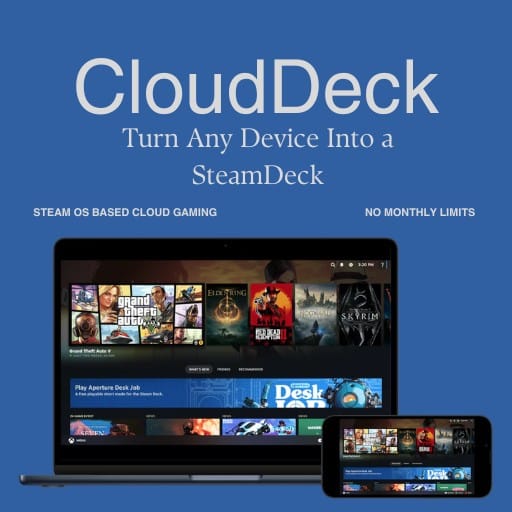
Why NVIDIA’s Decision Matters Across the Cloud Gaming Industry
NVIDIA does not just operate another cloud gaming service. Through GeForce NOW, it helps define expectations for what premium cloud gaming looks like, from performance targets to pricing structures and policy decisions. When NVIDIA adjusts its model, the rest of the industry pays attention.
That is what makes the 100-hour cap significant beyond GeForce NOW itself. This isn’t simply a change to one service’s terms. It’s a test of how much friction players are willing to accept as cloud gaming becomes central to how they play.
Acceptance Matters More Than Backlash
The key signal here is not outrage. It’s tolerance. If the cap is widely accepted, not necessarily liked but quietly absorbed, it sends a clear message. It suggests people are willing to trade unlimited access for stable pricing, even as cloud gaming shifts from a supplemental option to a core platform. Retention, not complaints, is what ultimately determines whether a model succeeds.
From an industry perspective, that matters more than any single month of reaction. If usage stays steady and subscriptions remain sticky, time-based access stops being a controversial experiment and starts looking like a viable long-term lever.
What This Could Mean for Other Cloud Platforms
It’s fair to ask whether similar models could appear elsewhere over time. Xbox Cloud Gaming operates at a very different scale and is tied to a broader subscription ecosystem. It would not mirror GeForce NOW’s approach directly. Still, once a major player normalizes the idea of tiered access or usage-based controls, those concepts are no longer theoretical.
This is not a prediction that every cloud platform will adopt hard caps. It is a recognition of pressure points. As infrastructure costs rise and cloud usage grows, service providers will keep experimenting with ways to balance demand, performance, and revenue. Time limits, soft caps, or tiered allowances are all tools that can emerge from that pressure.
What happens with GeForce NOW helps establish which of those tools feel acceptable to players, and which do not.
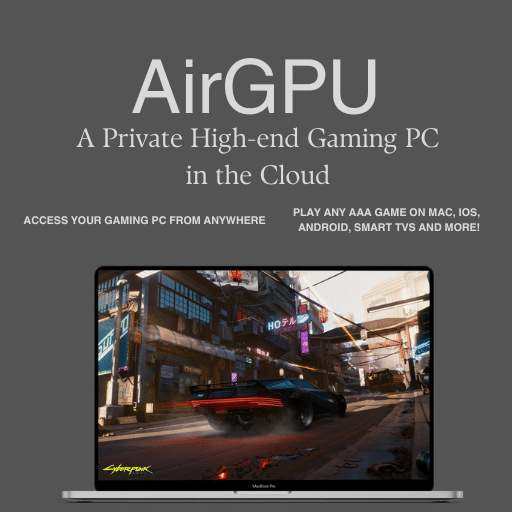
The Risk of Fragmented Access
The longer-term concern is not that every cloud service suddenly adopts strict limits. It is that access becomes increasingly fragmented.
If you play a lot, treat cloud gaming as your main platform, or rely on it for accessibility reasons, time caps hit harder. They add friction where cloud gaming used to get out of the way. They also push cloud services closer to the kind of nickel-and-dime monetization a lot of people already dislike elsewhere in the industry.
Cloud gaming works best when it feels invisible. You press play and the technology gets out of the way. The more you are asked to manage hours, allowances, and top-ups, the harder that illusion is to maintain.
What This Signals Heading Into 2026
January 2026 is not a breaking point. It is a checkpoint. The real story will unfold over the next year as people adjust their habits and services watch the data. If usage caps quietly become accepted, they are likely to stick around and evolve. If they meaningfully change how people play or how they feel about cloud gaming, that will matter just as much.
The real question is whether cloud gaming is still something you use alongside local hardware, or if it’s becoming the platform you rely on most. How that answer changes may shape what cloud gaming looks like next.
As always, remember to follow us on our social media platforms (e.g., Threads, X (Twitter), Bluesky, YouTube, and Facebook) to stay up-to-date with the latest news. This website contains affiliate links. We may receive a commission when you click on these links and make a purchase, at no extra cost to you. We are an independent site, and the opinions expressed here are our own.



If other cloud streaming services add time limits to their services than cloud gaming is dead
I agree, that’s why I switched from GFN Ultimate to Xbox Cloud, I feel Xcloud is a real gaming platform