


GOG’s preservation work is no longer only about keeping older PC games for sale on one storefront. In a recent Expansion Pass interview with Luke Lohr, Marcin Paczyński, senior business development manager at GOG, described a wider effort built around DRM-free ownership, modern compatibility work, controller support, and portable access to owned PC libraries.
As gaming moves across cloud services, portable PCs, Windows-based devices, and future game-anywhere setups, owned libraries need more than a purchase history. GOG’s pitch is that buying a game should mean you can download it, disconnect from the internet, and keep playing without depending on a store check every time you launch it.

DRM-Free Ownership Creates A Safety Net
Paczyński described DRM as an online licence check that confirms whether a user has access through a store. It becomes a problem when you lose internet access, a store has technical trouble, or a service changes how access works. GOG sells games without DRM, so the company’s position is built around downloads that keep working offline.
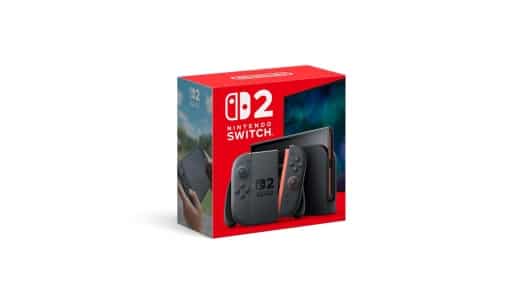
The split has become more relevant for cloud gaming after Amazon Luna moved away from third-party store support and individual game purchases. Luna no longer offers access to GOG games after June 10, 2026, while GOG purchases remain available through GOG outside Luna.
This doesn’t make subscriptions bad. It does show why owned libraries need clear exit paths. If a cloud service changes direction, the practical question becomes whether your save data, purchase history, and playable library can move with you.
Compatibility Work Keeps Older PC Games Playable
GOG’s preservation argument goes beyond DRM. Paczyński said many older games remain enjoyable years later, but technical support becomes the problem as PCs, drivers, and operating systems change. The GOG Preservation Program is built around keeping those games running as hardware and software change around them.
Paczyński described the program as having around 300 games, with more being added over time. He described GOG’s compatibility work around modern Windows PCs, current GPU drivers, and newer hardware rather than only older operating systems.

GOG also uses internal tools referred to as the GOG engine. Paczyński said those tools were built over close to a decade to help older games run on modern PCs. Treat that as GOG’s view of its own capability, but it explains why the company sees preservation as a technical job rather than only a licensing or storefront issue.
Handheld PCs Turn Preservation Into A Device Problem
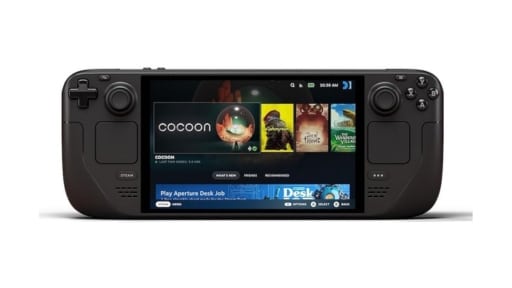
Paczyński connected GOG’s preservation push to handheld PCs such as Legion Go, Steam Deck, and ROG Ally. GOG said handheld compatibility has become a larger focus, and that its work is not limited to games already inside the preservation program.
For anyone building a PC library across more than one screen, compatibility becomes part of the value. A game that runs on a desktop doesn’t automatically feel right on a handheld. Older PC games often rely on mouse input, keyboard shortcuts, contextual menus, or drag-and-drop actions. Those control demands can become awkward on devices built around thumbsticks, buttons, touchscreens, and smaller displays.
GOG also pointed to controller support. Paczyński discussed an input wrapper that supports modern controllers, hot plugging, controller swapping, and remapping. He also mentioned PlayStation 5 controllers, Luna controllers, and Steam controllers as part of the wider device compatibility work.
A compatibility badge loses value if a game technically launches but fights the controls away from a desk.
Project Helix Remains An Open GOG Question
GOG didn’t confirm Project Helix support. Paczyński said he would need more detail before answering that specific ecosystem question. He also said he didn’t see a reason GOG would avoid participating if an initiative helped preserve games or bring them to a larger audience more easily.
The useful connection is not a confirmed partnership. It is the way portable Windows devices are pulling PC storefronts, launchers, and owned libraries into the same device-access conversation.
The open issue is whether future game-anywhere devices preserve access to owned PC libraries or push users toward narrower service access. If those devices support more storefronts and owned PC libraries, GOG’s preservation work becomes more relevant. If they favour closed ecosystems, DRM-free ownership remains a separate protection layer.
Licensing Keeps Some Games From Returning
Technical work is only part of the preservation problem. Paczyński said older games can be blocked by legal and licensing issues long before compatibility work begins.
The barrier can include old contracts, music rights, voiceover agreements, and missing documentation. GOG’s Dreamlist includes games people want to see return, with MechWarrior, Black & White, and Silent Hill mentioned as examples. The problem is not always whether GOG can make an older game run. Sometimes the harder barrier is finding who can legally approve the work.
Paczyński also said GOG has used preservation work with other storefronts. He pointed to Capcom examples including early Resident Evil games, Dino Crisis, and Breath of Fire 4.
For cloud and portable gaming, the value is not only where a game is sold. It is whether the game keeps running when devices, stores, drivers, services, and access models change. That is where GOG’s preservation work becomes more than a storefront feature.
As always, remember to follow us on our social media platforms (e.g., Threads, X (Twitter), Bluesky, YouTube, and Facebook) to stay up-to-date with the latest news. This website contains affiliate links. We may receive a commission when you click on these links and make a purchase, at no extra cost to you. We are an independent site, and the opinions expressed here are our own.