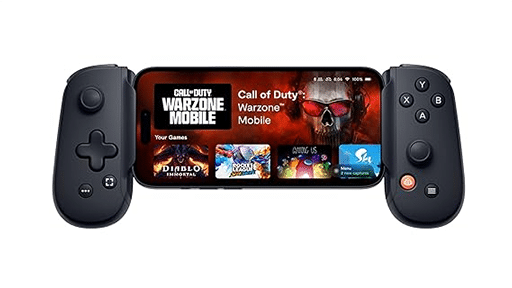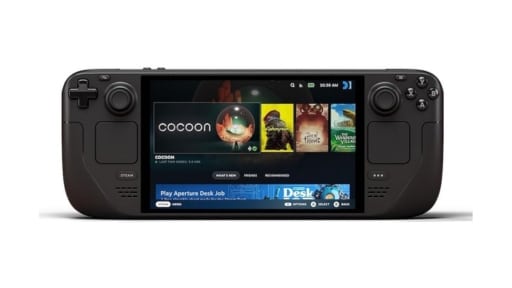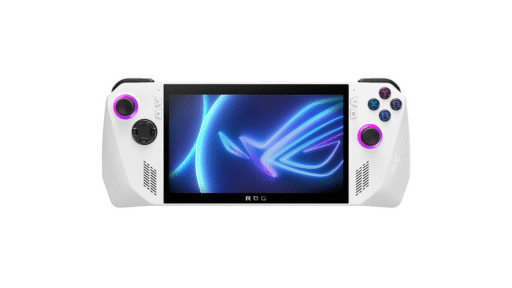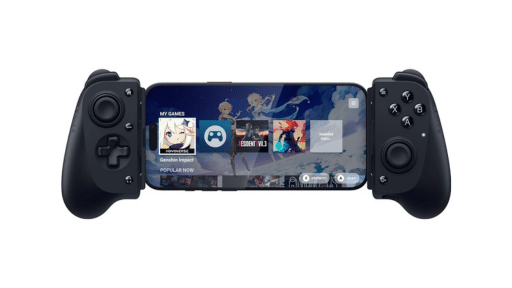


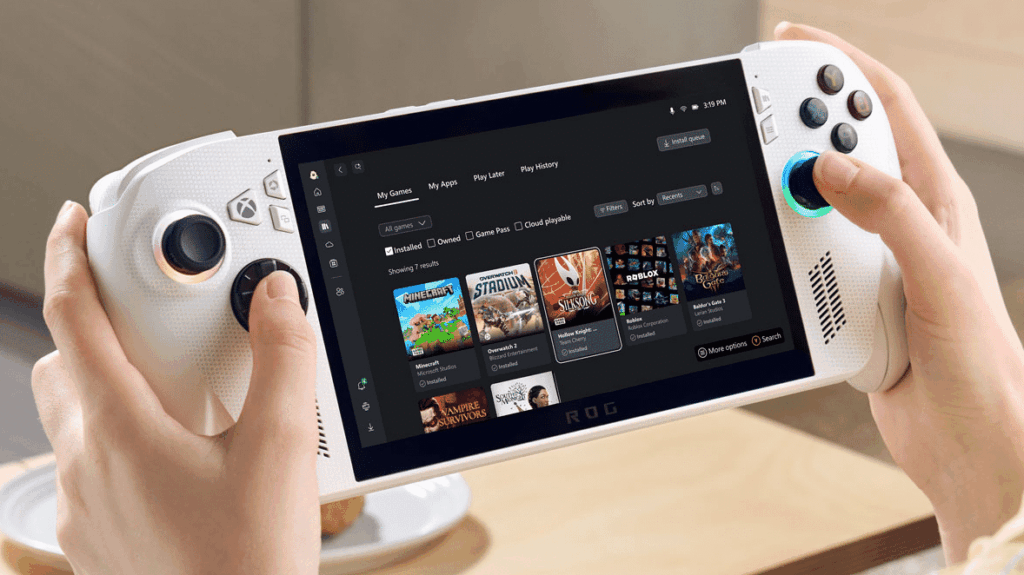
The handheld PC gaming market is experiencing a renaissance, with devices like the ROG Xbox Ally, and the Lenovo Legion Go 2 pushing the boundaries of what portable gaming can be. These powerful machines promise the full PC gaming library in the palm of your hand, but this ambition comes with significant trade-offs: ever-increasing bulk, a hefty price tag, and batteries that often struggle to keep up.
But what if the future of portable gaming isn’t about stuffing more powerful components into a handheld chassis? What if it’s about embracing a different kind of power to deliver a lighter, cheaper, and genuinely cooler experience?
When Portable Becomes a Strain
Let’s be honest: while impressive, holding a device like the Lenovo Legion Go 2, with its massive screen and robust internals, for an extended gaming session can be a literal strain. These powerful handhelds require large batteries, sophisticated cooling systems to prevent overheating, and expansive displays to showcase their graphical prowess. The result? Devices that often tip the scales, making prolonged play less comfortable.
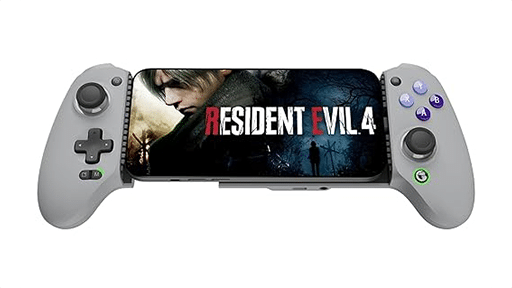
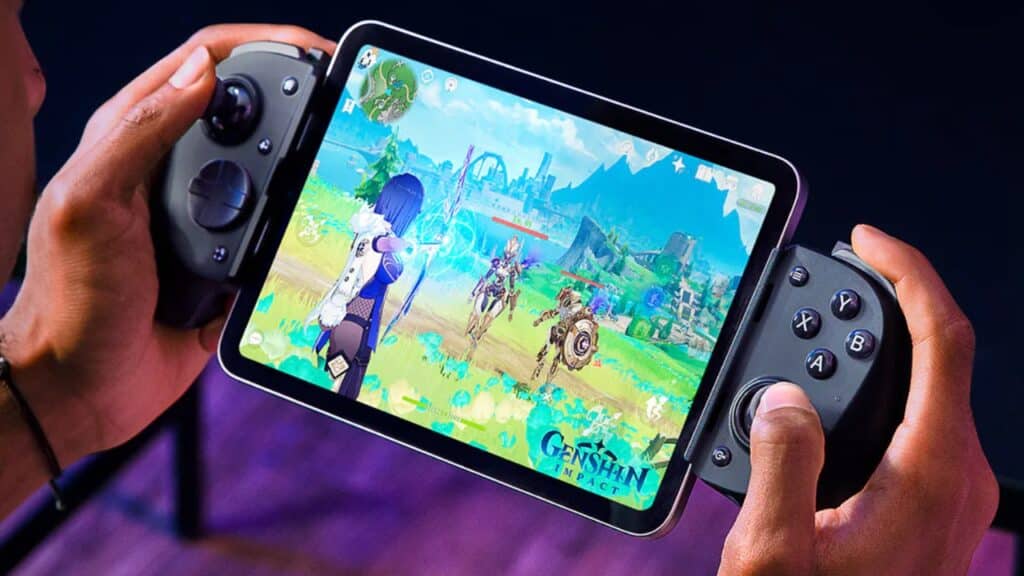
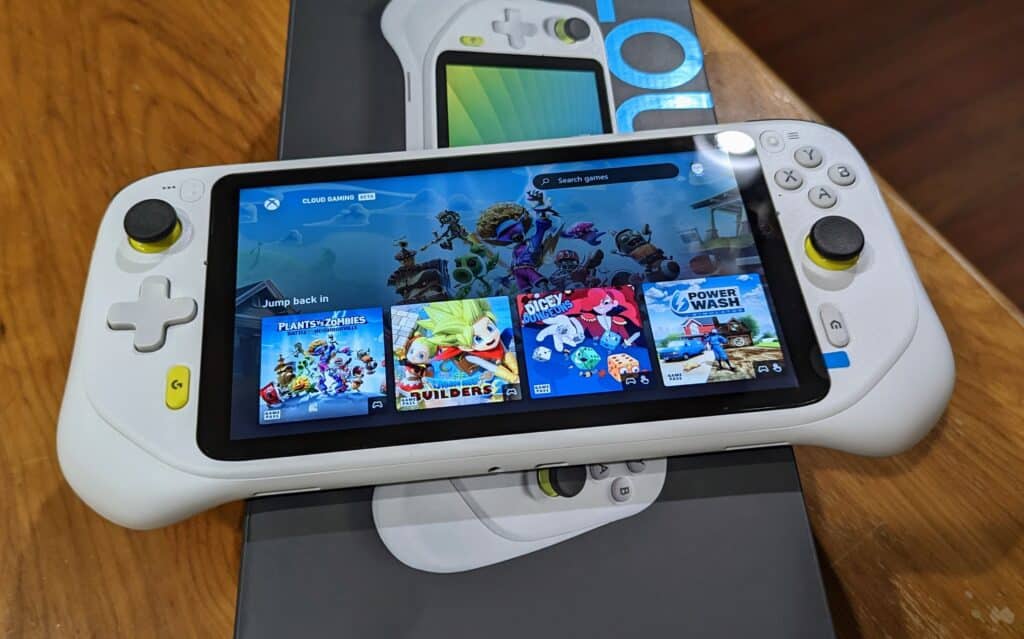
Consider the contrast: a dedicated cloud gaming device like the Logitech G Cloud, or even just your smartphone paired with a lightweight controller clip, can run the latest releases without breaking a sweat, or your wrist. The “heavy lifting” is done elsewhere, leaving you with a feather-light device that prioritizes comfort and portability. You’re not holding a mini-PC; you’re holding a window to a powerful gaming rig thousands of miles away.
Is Raw Power Always Worth the Premium?
The price of admission for these top-tier PC handhelds is significant. The new Lenovo Legion Pro 2, for instance, will with a starting price well north of $1,000. For many gamers, that’s a substantial investment, often approaching or even exceeding the cost of a dedicated gaming console or a respectable gaming laptop.
Now, consider what that same thousand-dollar budget could buy you in the world of cloud gaming:
- A high-quality, dedicated cloud streaming device, like the Logitech G Cloud or another Android device
- An entire year’s subscription to a premium cloud gaming service like NVIDIA GeForce Now
- And potentially a year of Xbox Game Pass Ultimate, which includes cloud gaming access.
This isn’t just about playing games; it’s about a complete ecosystem of access and flexibility, often at a fraction of the hardware cost. The value proposition of cloud gaming shines brightest when you compare the price of a new PC handheld to the subscription-based model of streaming.
Performance vs. Portability
The core appeal of a PC handheld is the promise of uncompromised performance. But how often do you truly need a local RTX 40-series equivalent GPU running full tilt on a small screen? For many, the answer is “rarely.” When you’re gaming on the go – whether on a commute, during a lunch break, or simply relaxing on the couch, consistent performance and battery life often trump the pursuit of ultra-high frame rates at native resolution.
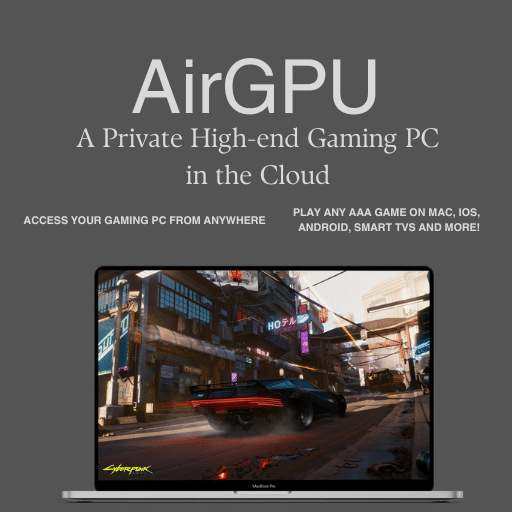
This is where cloud gaming excels. You get to play demanding AAA titles with high graphical fidelity and stable frame rates, all without the local hardware struggling to keep up. There are no noisy fans kicking into overdrive, no chassis heating up in your hands, and no need to constantly tweak settings to balance performance and battery life. The game simply streams, leaving the heat, noise, and power consumption in a distant data center.
Battery Life and Thermals
One of the most frustrating aspects of high-powered PC handhelds is their often-dismal battery life when playing demanding games. Pushing a powerful CPU and GPU means quickly draining even a large battery, sometimes reducing play sessions to a mere one or two hours tops. And then there’s the heat… While modern cooling systems are impressive, you’re still holding a device generating significant thermal output.
Cloud gaming flips this script entirely. When streaming, your handheld device is essentially just decoding a video stream and sending input commands. This is far less power-intensive. The Logitech G Cloud, for example, boasts an impressive 12-hour battery life. Even a powerful smartphone, traditionally not known for long gaming sessions, can last significantly longer when streaming a game compared to running it locally. This dramatically enhances the freedom and convenience of portable gaming, letting you play for hours without constantly hunting for an outlet.
The Future of Handhelds: Less Hardware, More Experience
The race to pack more power into ever-larger and more expensive PC handhelds feels, in some ways, like a detour. The true innovation in portable gaming might not be about how much raw processing power you can squeeze into a device, but rather how seamlessly you can access the vast world of gaming.
Cloud gaming offers another vision for the future of handhelds: devices that are lightweight, affordable, have incredible battery life, and run silently cool. It’s a future where you’re free from constant hardware upgrades, compatibility worries, and the physical burden of carrying a miniature gaming PC. It’s a future where the ultimate handheld gaming experience is defined not by its internal specifications, but by its effortless accessibility.
So, what do you think? Do you believe the future of portable PC gaming is in a streaming-focused device, or do you prefer the power and freedom of playing games locally?
As always, remember to follow us on our social media platforms (e.g., Threads, X (Twitter), Bluesky, YouTube, and Facebook) to stay up-to-date with the latest news. This website contains affiliate links. We may receive a commission when you click on these links and make a purchase, at no extra cost to you. We are an independent site, and the opinions expressed here are our own.