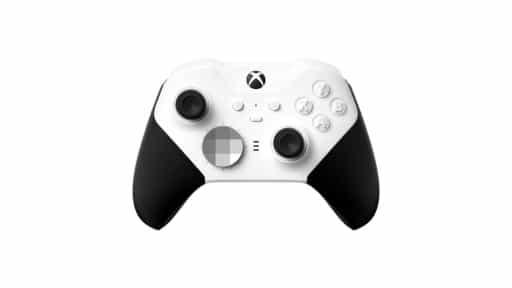



You don’t have to wonder if Xbox treats cloud gaming as a cheap mobile gimmick anymore. A massive regulatory leak from Brazil’s Anatel regulator, flagged by Tecnoblog, dropped full pictures of the upcoming Xbox Elite 3 controller. The new design bakes a dedicated cloud mode button straight into Redmond’s most expensive premium gamepad. It proves that direct-to-server wireless connectivity isn’t just a budget feature for phone clips; it’s becoming a flagship standard for the entire ecosystem.
This development builds perfectly on the earlier smaller Xbox Cloud Gaming controller leak. With the Xbox Elite 3 controller filings landing just hours later, Xbox is clearly moving fast to overhaul its accessory lineup. Instead of keeping the direct Wi-Fi cloud tech isolated to entry-level accessories, Xbox is rolling it out across the entire lineup. If you’re dropping serious cash on an enthusiast gamepad, you’re getting the exact same responsive connection to Xbox Cloud Gaming servers as the mobile crowd. It completely dismantles the old argument that premium gaming requires local console boxes to get a responsive experience.
Bottom scroll wheels and removable batteries change the pro layout
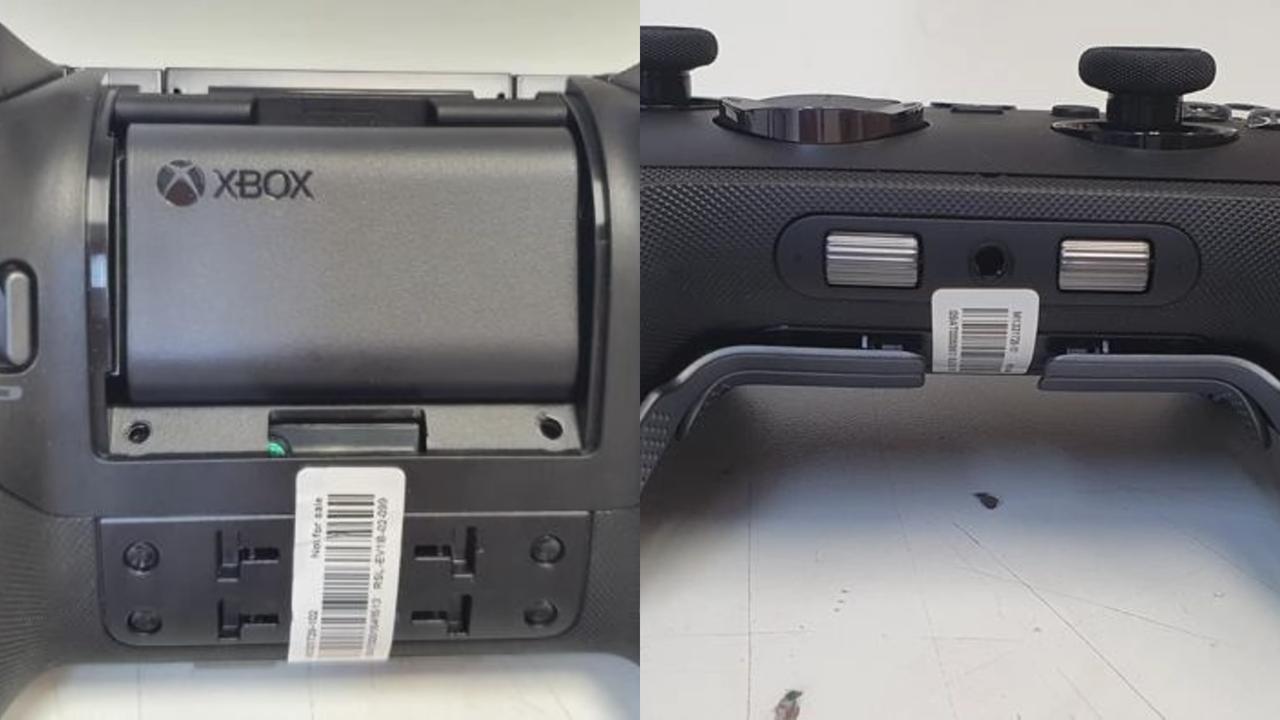
The leaked pictures of the Xbox Elite 3 controller show a refined design that tweaks the familiar flagship silhouette. You get the standard layout of interchangeable D-pads, rear paddles, and trigger locks, but there are a few wild additions. Look closely at the bottom edges and you’ll see two completely new scroll wheel controls. These inputs could map perfectly to fine adjustments in massive simulations, without fumbling through radial menus during a messy crosswind landing. Flipping the gamepad over reveals the same ergonomic grip, but the face tweaks are impossible to miss.
The internal power situation is also getting a total overhaul that will probably divide the community. Xbox is ditching the sealed internal pack of the Xbox Elite 2 in favour of a smaller, removable rechargeable battery pack. The Anatel filings point to a 1,528mAh cell, which is a sizeable drop from the 2,050mAh reservoir inside the older model. It means you’ll get less juice on a single charge, but you can swap a fresh pack into the back instantly when the low-battery warning pops up mid-match instead of scrambling for a USB cable.
Ecosystem wireless tech targets lag on multiple screens
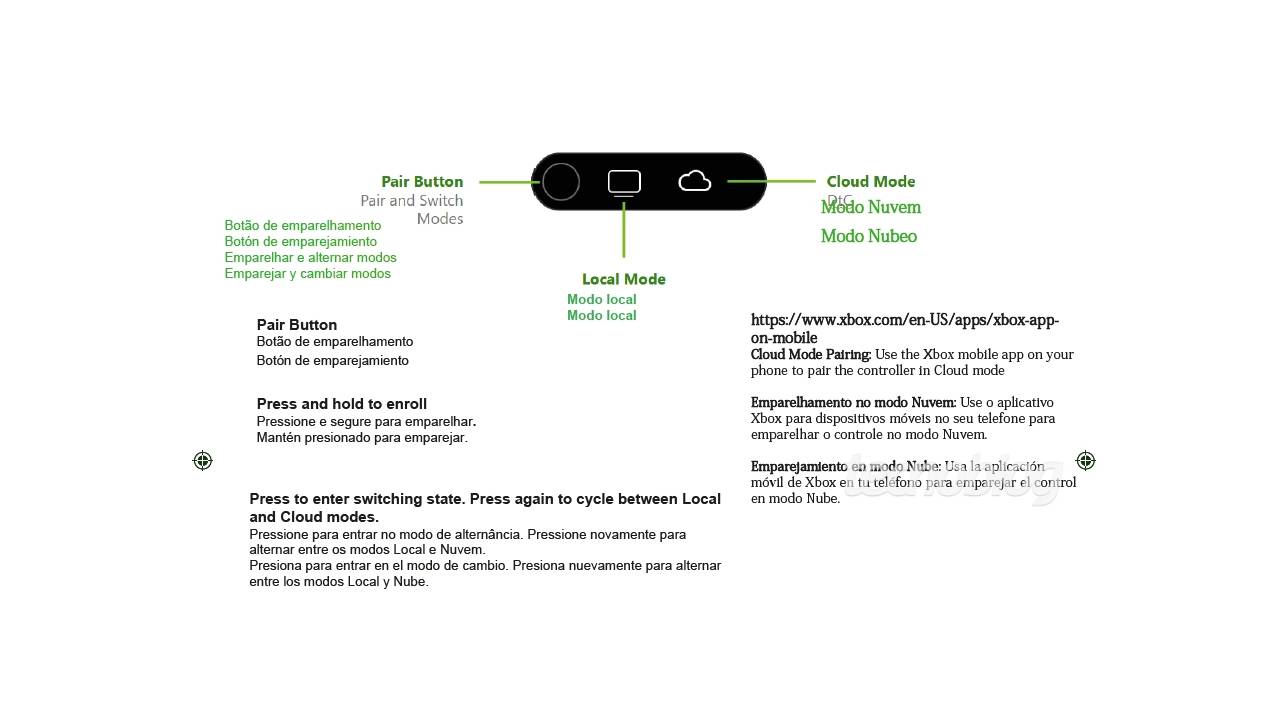
What we’re excited about most is the new pair button that toggles between local connection and dedicated cloud mode. Flipping that switch cuts out the middleman entirely, routing your inputs directly over Wi-Fi to the data centres hosting your game. Routing inputs straight to server blades means your button presses don’t have to hop through local device operating software first. It slices out a ton of lag that usually ruins high-stakes moments. You can jump from local play on a console straight to a cloud session on a television or phone without desyncing your controller or digging around in a messy Bluetooth menu.
Xbox hasn’t dropped an official release date or pricing details for the new lineup yet. Seeing finalized units pop up in regulatory filings means the final retail launch is right around the corner. It’s safe to expect a full reveal at the upcoming Xbox showcase in June 2026. When that presentation drops, it’s clear that cloud gaming infrastructure will sit right at the centre of the stage.
As always, remember to follow us on our social media platforms (e.g., Threads, X (Twitter), Bluesky, YouTube, and Facebook) to stay up-to-date with the latest news. This website contains affiliate links. We may receive a commission when you click on these links and make a purchase, at no extra cost to you. We are an independent site, and the opinions expressed here are our own.