


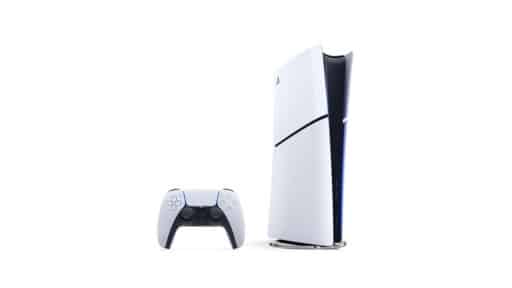
The era of the affordable home console appears to be fading into the rearview mirror. For decades, the gaming industry relied on a predictable cycle where a new piece of hardware landed at a consumer-friendly price point. That stability is gone. Gaming analyst Michael Pachter recently shared a blunt outlook on the Pachter Factor S11E08 regarding where the industry is heading. He noted that console prices are going to keep climbing as long as the demand for high-end components remains high for other industries.
This shift means the barrier to entry for traditional gaming is getting taller every year. The impact of this is already visible. PlayStation recently implemented substantial price hikes across the PlayStation ecosystem. When adding in the cost of extra controllers and the rising price of “full-price” games, a new generation is becoming a massive financial hurdle. Pachter argues that the industry can’t sustain this trajectory forever. Eventually, the box under your TV has to go.
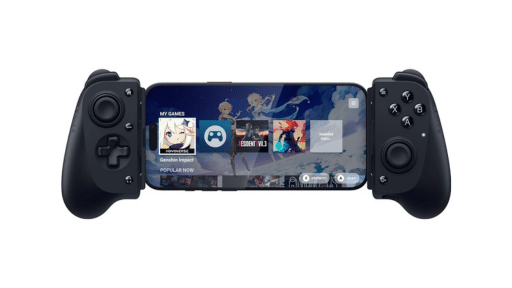
The AI Tax on Next-Gen Hardware
The reason for these rising costs isn’t just corporate greed. It’s a supply chain issue. The same high-speed RAM and SSD components that power your gaming console are now in high demand for the AI revolution. Tech giants like Nvidia and OpenAI are buying up parts at a scale that traditional console makers cannot match. In the current market, the highest bidder gets priority. Gaming companies simply don’t have the same margins as AI infrastructure firms.
Pachter believes this economic pressure could push the price of the PlayStation 6 toward $1,000 USD. While manufacturers can try to bid up the price to secure parts, they eventually have to pass that burden onto you. This “AI tax” is making it harder to predict a reasonable price for future consoles. It’s a trend that makes the hardware itself a liability for the manufacturer and a luxury for your household. The days of the $500 subsidized console are likely over.
Cloud Gaming as the Practical Solution
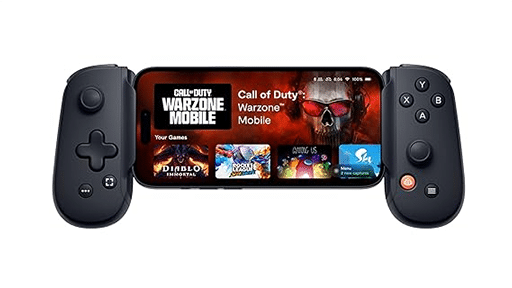
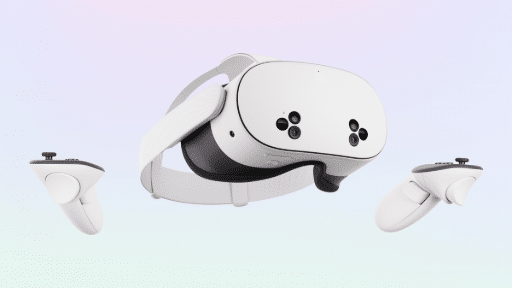
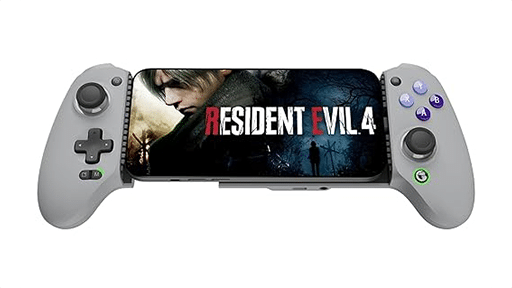
Pachter’s solution is simple: get rid of consoles entirely and move to streaming games directly on TVs. He specifically mentioned that “somebody” is going to figure out a way to play console games without a console. Once that happens, the box itself stops mattering. This isn’t a distant dream. The pieces are already falling into place across the consumer electronics world.
Major television manufacturers like Samsung and LG have already integrated gaming hubs into their latest models. The need for a $1,000 machine to access high-end games is shrinking. A controller and a stable internet connection are becoming the only hardware requirements you need. This shift toward cloud gaming prioritizes the way you play over what you own. It turns a hardware-locked hobby into a service-based one.
A Growing Ecosystem of Cloud Gaming Alternatives
The “somebody” Pachter refers to is actually a diverse group of companies currently battling for your living room. Xbox Cloud Gaming is already letting you play flagship games on almost any screen. GeForce NOW allows for streaming your existing PC library at high-end performance levels that rival local hardware. Amazon Luna is tying gaming into the Prime ecosystem. Boosteroid is also rapidly expanding its reach across global markets where hardware distribution remains difficult.
This shift represents the definitive end of the traditional hardware cycle. For forty years, the industry has been defined by the friction of massive upfront costs and inevitable obsolescence. By offloading the technical heavy lifting, these services effectively decouple high-end performance from consumer hardware. In a market where a $1,000 console is now an economic reality, the cloud becomes less of an alternative and more of a technical necessity.
Breaking the Latency Barrier
The biggest argument against cloud gaming has always been about the technical “feel.” If you’ve spent years playing on local hardware, any delay in reaction is noticeable. To replace the console, the cloud has to be invisible. It has to be so fast that it becomes impossible for you to tell the server is hundreds of miles away.
This high level of performance is critical if cloud gaming is going to win over the mass market. Massive investments in data centres and network infrastructure are currently bridging this gap. As internet speeds increase and latency drops, the “installed version” feel is no longer exclusive to a local hard drive. When your interaction with a game is that fluid, the argument for owning a bulky console starts to fall apart.
The Living Room Is the Final Frontier
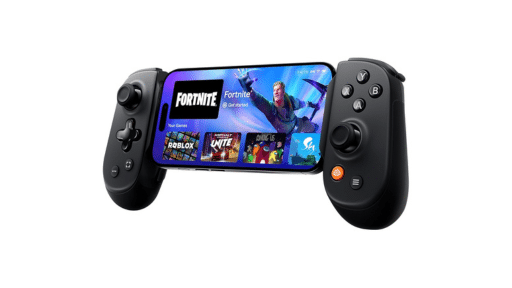
The Smart TV is the most important screen in your home. It’s the centre of your entertainment ecosystem. By putting a high-end gaming library directly into that screen, cloud gaming is removing the “friction” of gaming. You don’t have to worry about HDMI cables, firmware updates, or clearing out space on a crowded shelf.
This level of convenience is what will ultimately win over your average household. Enthusiasts might always want the latest local hardware, but the mass market wants simplicity. You want to be able to pick up a controller and start playing immediately. This is why Pachter is so confident in his prediction. Cloud gaming offers a path to growth that physical hardware simply cannot match.
A Future Defined by the Network
As the industry looks toward the next few years, the definition of a “console” is going to change. It won’t be a physical object bought at a big-box retailer. It will be an app on your TV or a feature of your internet plan. This transition is being driven by economic necessity. As components become more expensive, the subsidized console model becomes a liability for manufacturers.
Cloud gaming is the only exit ramp. It allows publishers to reach you wherever you are, on any screen you own. It turns gaming into a service that is defined by the quality of the network rather than the power of a single chip. By focusing on accessibility and performance today, the industry is defining what the future looks like. When the hardware finally disappears, the transition will likely be so seamless that you won’t even miss it.
As always, remember to follow us on our social media platforms (e.g., Threads, X (Twitter), Bluesky, YouTube, and Facebook) to stay up-to-date with the latest news. This website contains affiliate links. We may receive a commission when you click on these links and make a purchase, at no extra cost to you. We are an independent site, and the opinions expressed here are our own.



You got a Stadia tattoo? I loved that service when it was up and it worked so well back then. Patcher is right about the mass market preferring the simplicity of services which Stadia was but people weren’t just ready to come to terms with the idea that they didn’t own anything just a license to the game they want to play.
When Stadia was up and running, I recall how hard it was to get the PS5 or Xbox Series X (have a XSX myself that I will keep). It wasn’t about the cost because I really felt that I could get either the PS5 or XSX but in the run up to the PS6 and Xbox Helix, it just feels different.
Maybe I need to check some forums that ridiculed me about how cloud gaming was going to be the future and have my “I told you so” moment.
One big question is who will have Grand Theft Auto VI on their cloud gaming platform?