


Unhinged is a short Netflix horror game from Night School Studio, the Netflix-owned team behind Oxenfree and Oxenfree II. It follows Ava, a woman trapped in her apartment building during a dangerous storm while someone is hunting her. The horror story is simple, but turning your phone into the controller is where Unhinged first starts to feel different.
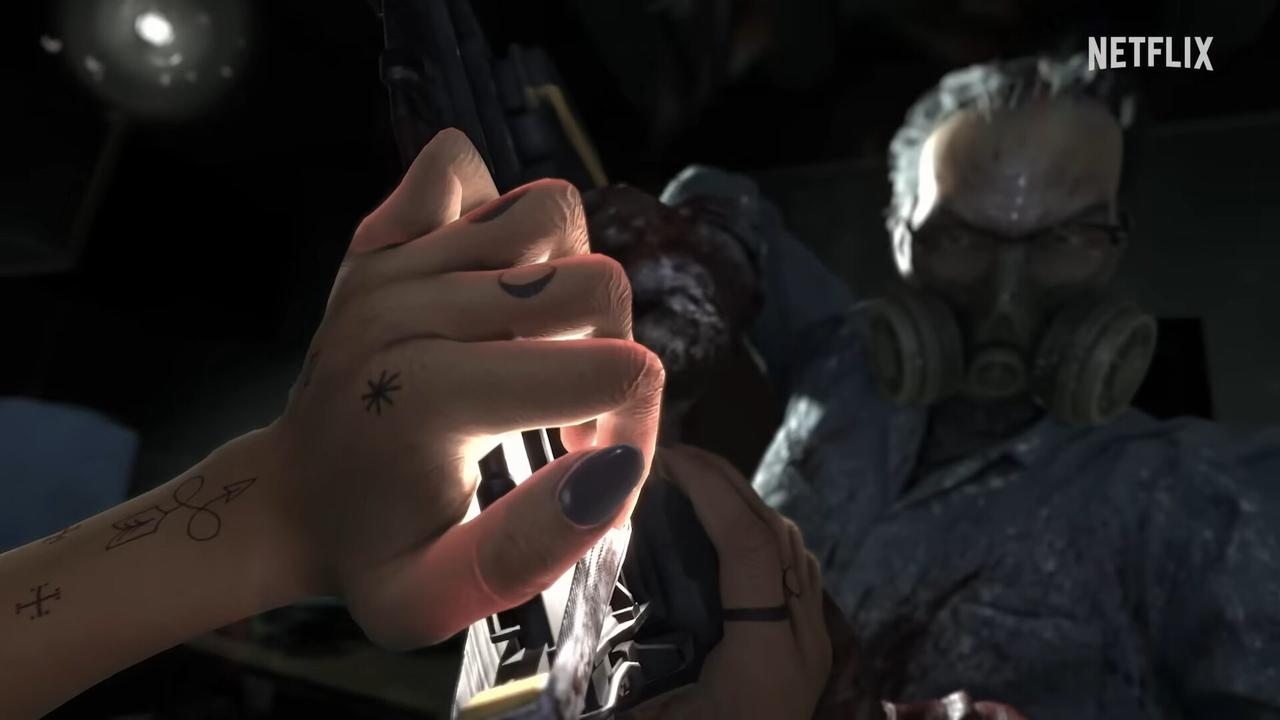
Unhinged doesn’t just use your phone as a pointer. It pulls the phone into the story as Ava’s flashlight, call screen, and text screen, then uses the TV in front of you and the phone in your hand to make the escape more personal.
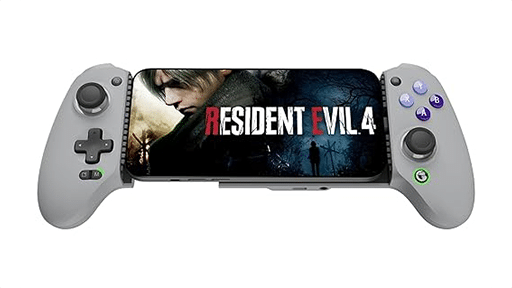
The horror side is thinner. The chase sequences are guided, the choices don’t seem to branch very far, and the story moves quickly once things start to go wrong. Still, there is something here. Unhinged gets more convincing once Ava’s escape and the phone in your hand start working together.
Ava’s Escape Moves Fast And Leaves Too Much Unsaid
Unhinged follows Ava, played by Zoë Kravitz, as a dangerous storm leaves her trapped in an apartment building with a killer nearby. Claire, played by Sadie Sink, is outside the building and tries to guide Ava through calls and texts. Troy Baker rounds out the main cast in the killer role.
It’s a clean starting point for a short horror story. The storm explains why the building is empty, the apartment complex keeps everything contained, and the phone contact with Claire keeps Ava from moving through the story alone. Kravitz and Sink sell the panic quickly. Unhinged moves Ava from one problem to the next before there is much time with either character.
The issue is that Ava and Claire don’t get enough time to grow beyond the danger in front of them. They’re easy enough to follow, but the story doesn’t spend long enough with them to build much attachment. The killer works as a threat in the moment. The writing leaves him with little beyond the chase.
Unhinged only runs about 30 minutes to an hour, depending on how you play. That shorter length explains some of the thin writing, but Ava still needed a little more breathing room before everything went wrong. The performances make the material better, but the writing stays thin.

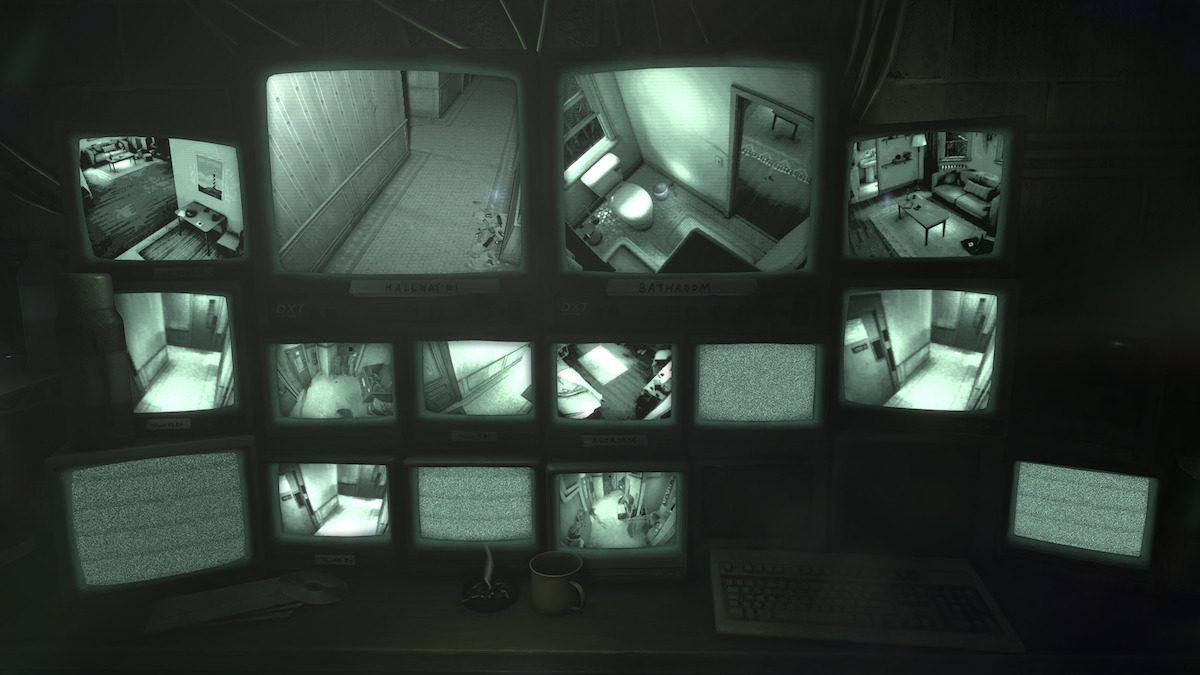
Unhinged Turns Your Phone Into The Star
Unhinged starts with a phone sync that is easy to understand. You open the game through Netflix, scan a QR code, connect your phone, and use it as the controller. Moving your phone controls a pointer on the TV screen. You choose where Ava walks, what she picks up, and which prompt she responds to next.
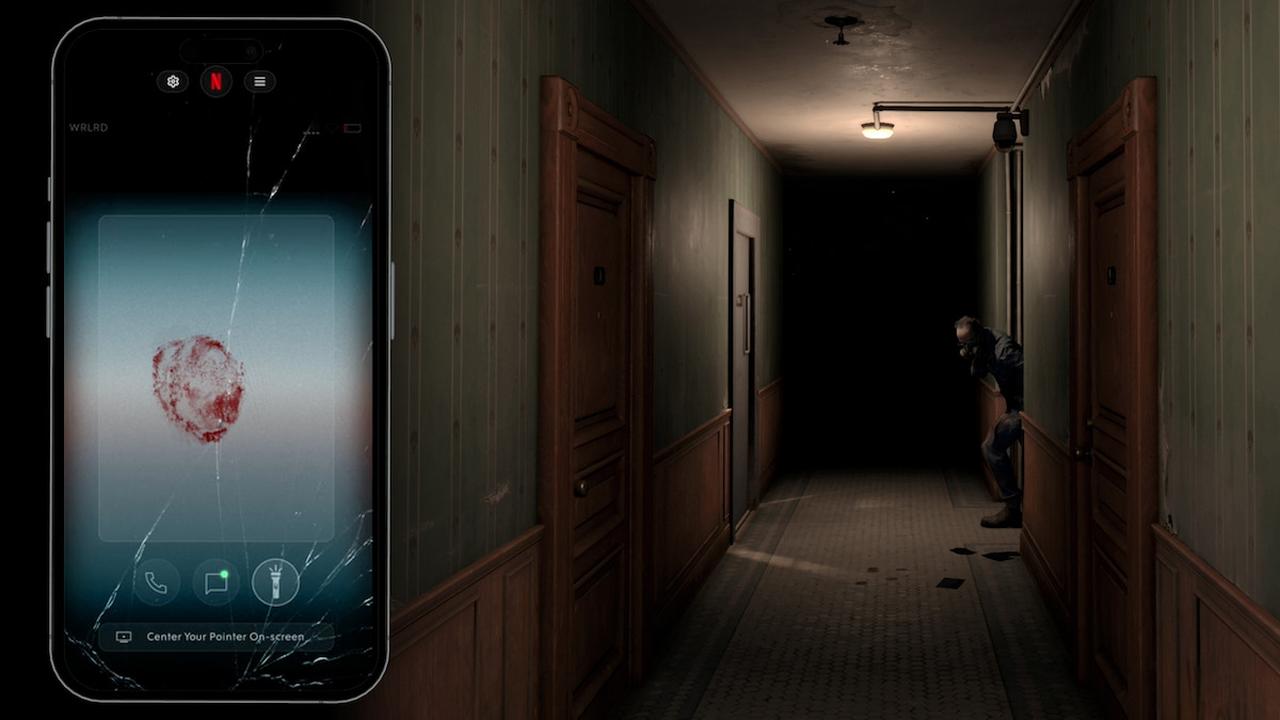
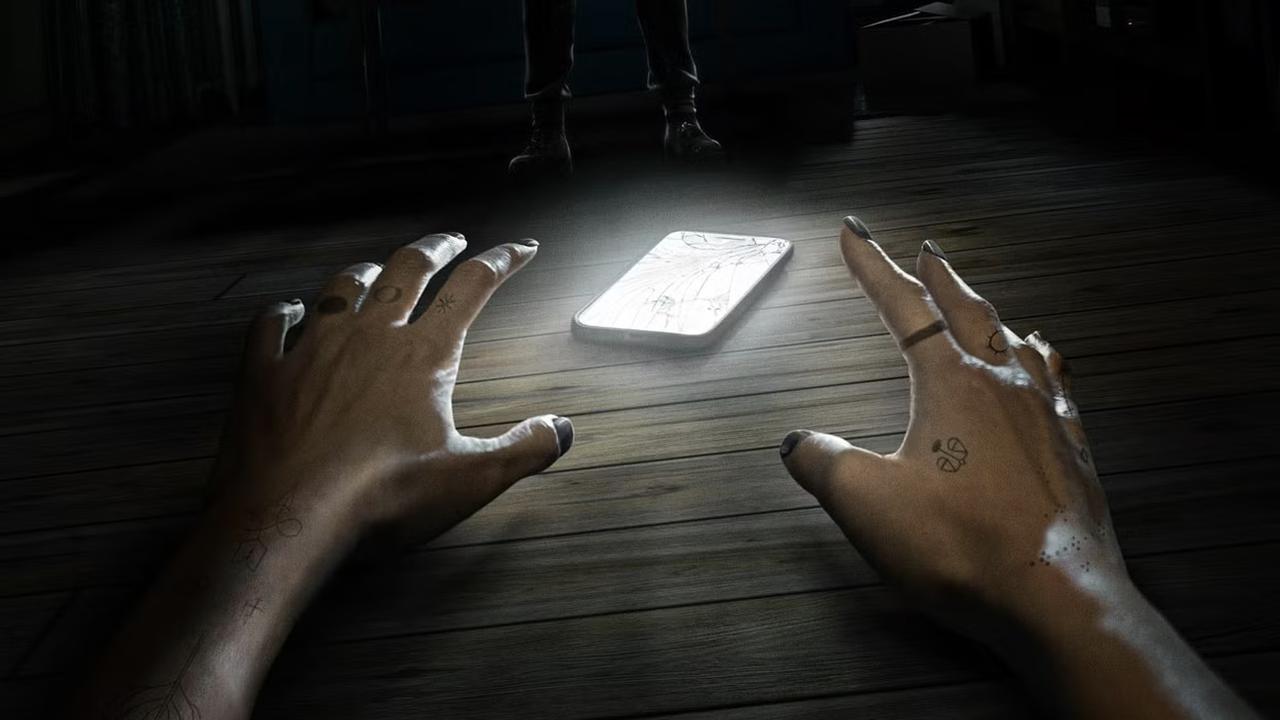
That would be enough for a simple interactive horror game. Unhinged gets more interesting when the phone starts matching Ava’s situation. Aiming it controls her flashlight, so searching a hallway or checking part of the apartment building has a physical connection to what you’re holding. Calls and texts also come through the phone, which makes Claire’s contact with Ava more immediate than another pop-up on the TV screen.
The phone-and-TV split is the clearest thing Unhinged has going for it. The phone isn’t just a workaround for people who don’t own a controller. It changes how the game is played. You look up at the TV to guide Ava through the building, then look down when a message or call comes in. It’s a small shift in attention, and it fits the story better than a traditional controller would have.
That part of Unhinged is genuinely cool. When a call comes through in your hand, or the flashlight follows the way you angle the phone, the game feels made for Netflix instead of squeezed onto it. I wanted the game to push that idea further because that is the moment Unhinged starts to separate itself from a normal interactive movie.
Timed Prompts Keep Unhinged Moving Without Much Replay Value
Unhinged doesn’t play like a traditional horror game with combat, inventory management, or deep puzzle solving. Most of what you do is scan the hallway or apartment building, select a direction, choose an object, or react to a timed prompt that works like a quick time event. Ava moves automatically after you make a choice, so the game keeps a firm hold on the pace.
Standard Mode adds death and checkpoint restarts. When a timed prompt appears, you need to react before the bar runs out, or Ava can be caught. Story Mode removes death from the run. You can also adjust hints, input sensitivity, and timed interactions, which makes sense for a Netflix game that may reach people who don’t play horror games often.
The timed prompts add some urgency, but they don’t create much uncertainty once you understand the structure. The chase sequences are still very guided, and the choices appear to change the moment more than the overall path. That’s fine for a 30-minute to one-hour game. It leaves very little reason to replay once the story is done.
That’s where Unhinged starts to feel limited. The TV-and-phone setup is more thoughtful than expected, and Story Mode makes it easy to finish. You’re not making many choices that seem to change the larger escape. If you have played games like Until Dawn or The Dark Pictures, Unhinged has the quick time event surface without the same branching payoff.
Phone Calls And Texts Bring Ava’s Panic Closer
Unhinged’s cast does a lot with a short script. Zoë Kravitz brings urgency to Ava’s escape, and Sadie Sink makes Claire sound like someone trying to help from just far enough away to make things worse. Troy Baker works as the killer inside the short runtime. The writing leaves him with little beyond the chase.
The phone audio is where Unhinged gets the most personality. Hearing a call come through in your hand is completely different from watching a character answer on the TV. Same with texts. Looking down at the phone during a search makes the whole thing more personal, almost like Claire is interrupting you instead of just Ava.
The storm and building sounds are doing more than filling the background. They make the apartment building feel empty, and the phone audio keeps pulling Claire back into Ava’s escape. This isn’t a terrifying game, and I wouldn’t oversell the scares. Still, I liked how the sound kept reminding me that Ava is isolated, stuck inside, and depending on a voice outside the building.
The visuals are where Unhinged feels more limited. Unhinged has a realistic look, but it doesn’t match the production level of the cast or audio. Character detail, environments, and the overall image quality aren’t bad enough to hurt the whole game, but they don’t match the stronger cast and sound work.
Netflix Gaming Gets More Hands-On With Unhinged
Unhinged works because it understands where Netflix has an advantage. A lot of subscribers already have a TV, a phone, and a Netflix account. Having them scan a QR code and play a short horror game is much easier than trying to get them into a traditional download, a controller, or a long campaign.
That is also where the limits start to show. This isn’t a deep horror game. It isn’t a branching thriller with major story paths. It isn’t something I would replay just to see a few small differences. Unhinged is short and guided, and you can feel those limits by the end.
I don’t need Unhinged to explain Netflix’s whole game plan. I just need the phone-and-TV idea to make sense in my hands, and it does. It sits somewhere between watching an interactive movie and playing a full horror game, and I think that middle ground is the point. The story and scares are easier to forget, but the format points to a type of Netflix game that could get much better with a longer story, better branching, or stronger puzzles.
This is for Netflix subscribers who want a quick horror game that plays with the screen in front of you and the phone in your hand. If you want deep choice impact or a scarier apartment-building story, Unhinged is going to feel limited. If you’re curious about what Netflix gaming can be when it’s built around the living room instead of copied from another platform, this points to a format Netflix should keep building on.

Unhinged
Summary
Netflix’s Unhinged is a short horror game from Night School Studio about Ava trying to survive inside her apartment building during a dangerous storm. The phone control is what gives the experience its personality, because Ava’s calls, messages, and flashlight checks happen through the device in your hand. The story moves too quickly to build much attachment, and the guided choices leave it with limited replay value. Still, Netflix subscribers curious about interactive horror should find something interesting in the way it connects the screen in front of you with the phone you are holding.
As always, remember to follow us on our social media platforms (e.g., Threads, X (Twitter), Bluesky, YouTube, and Facebook) to stay up-to-date with the latest news. This website contains affiliate links. We may receive a commission when you click on these links and make a purchase, at no extra cost to you. We are an independent site, and the opinions expressed here are our own.