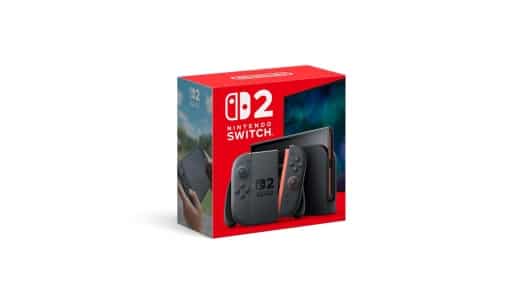


Nintendo’s latest earnings back up what the early launch window already showed. Nintendo Switch 2 is off to a strong start. Hardware sales are already at 17.37 million units, early software sales are being carried by Mario Kart World, and Nintendo chose not to change its full-year hardware or software guidance.
That mix stands out. The launch is clearly working. At the same time, expectations around what comes next are already climbing, even though Nintendo itself is still planning cautiously.
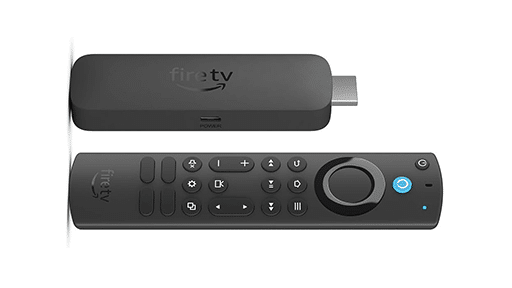
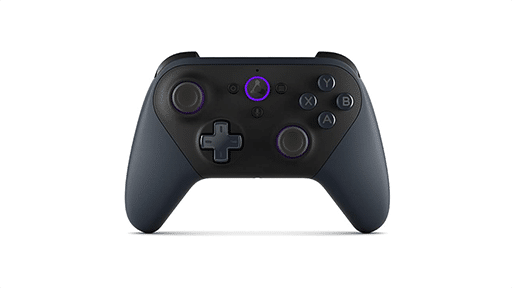
To get a clearer picture of how that gap forms, we spoke with André Swanston, founder and CEO of PHȲND, who works at the intersection of cloud gaming and smart-TV access, about how strong platform launches shape expectations, planning, and access over time.
Early Momentum And Rising Expectations
Swanston’s view is that launches like Nintendo Switch 2 do more than move hardware early. They shape how people think the entire cycle will play out.
“A strong launch like this tends to pull expectations forward. Markets often extrapolate early momentum across the entire cycle, even though adoption rarely moves in a straight line.”
In practical terms, that means the first few months can end up carrying extra weight. Instead of focusing only on how many consoles ship next, attention shifts to whether engagement stays steady, whether games keep arriving at a reliable pace, and whether people keep buying software as the year goes on.
That matters even more right now, with consumer spending under pressure in parts of the U.S. A fast start raises the bar. Keeping that pace is a different challenge.

Conservative Guidance And The Expectations Gap
Nintendo’s decision to keep its guidance unchanged fits into that picture. Strong early demand does not remove longer-term factors like pricing pressure, tariffs, or shifts in how people spend their money over time.
From a planning standpoint, conservative guidance gives companies room to adjust if conditions change later in the cycle. The gap becomes clear when public expectations start moving faster than what Nintendo is willing to commit to.
That gap does not point to trouble. It reflects the difference between early excitement and what it takes to support a platform across several years.
Access As The Longer-Term Variable
Looking further ahead, Swanston points to access as the area most likely to shape expectations, rather than raw performance.
“The pressure point isn’t performance, it’s access.”
As cloud gaming and smart-TV gaming continue to grow, getting into a game becomes easier. Over time, that changes what people expect from gaming ecosystems. It becomes less about owning a specific box and more about how easily games follow you across screens.
In the near term, this sits alongside consoles like Nintendo Switch 2 rather than replacing them. Over longer stretches, better access can influence how hardware cycles are supported, how libraries stay connected to players, and how people move between upgrades.

Nintendo’s position today remains strong. Nintendo Switch 2 hardware is selling, software is moving, and guidance shows steady planning. The more interesting question is how expectations shift around an already successful platform as access continues to expand.
As always, remember to follow us on our social media platforms (e.g., Threads, X (Twitter), Bluesky, YouTube, and Facebook) to stay up-to-date with the latest news. This website contains affiliate links. We may receive a commission when you click on these links and make a purchase, at no extra cost to you. We are an independent site, and the opinions expressed here are our own.