


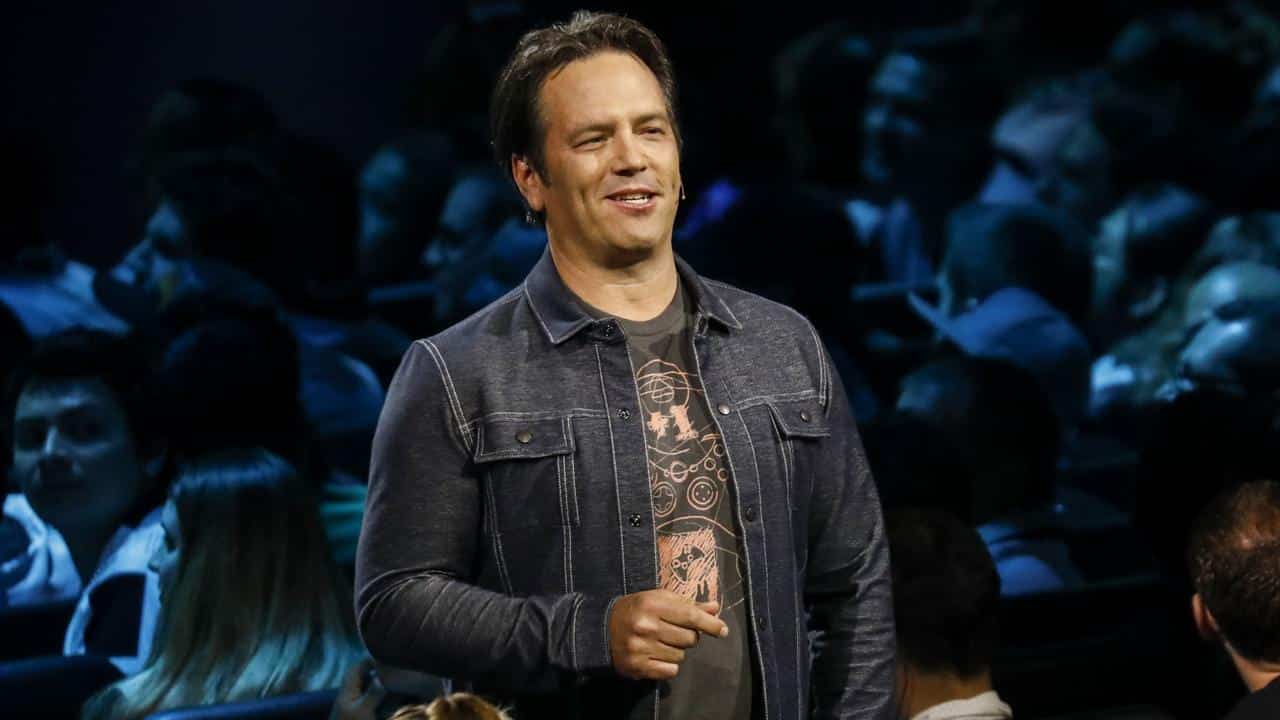
Phil Spencer’s time leading Xbox is coming to an end. After nearly four decades at Microsoft and 12 years in charge of its gaming group, he’s stepping back from the top role. His retirement is scheduled for February 23, 2026. Spencer will stay on through the summer to advise the new team and help hand things over.
IGN broke the story first. That report confirmed Spencer’s retirement, Sarah Bond’s departure, and a promotion for Microsoft AI executive Asha Sharma into the gaming role. Microsoft followed up with internal emails from CEO Satya Nadella, Spencer, Sharma, and Matt Booty. Those notes outline how Xbox leadership is being reshaped.

Bond is leaving her post as Xbox president. Booty has been running Xbox Game Studios. He now moves into a broader content position as Executive Vice President and Chief Content Officer, reporting to Sharma.
If you’ve been using Xbox across console, PC, and cloud gaming, this is a major shake-up. It is one of the biggest leadership reshuffles since the Xbox One recovery years.
Xbox’s New Leadership Lineup
Nadella’s internal note frames Spencer’s exit as something they’ve been planning together. He says Spencer signalled last year that he was ready to move on. Since then they have worked on a long handover rather than a sudden change.
Nadella’s View On Spencer’s Tenure
In the same message, Nadella credits him with pushing Xbox out from a single box into PC, mobile, and cloud access. He also points to nearly tripling gaming revenue and helping drive deals for Mojang, ZeniMax, and Activision Blizzard King.
Nadella also zooms out to the current scale of the business. He points to more than 500 million monthly active users across Microsoft’s gaming efforts. He also describes the company as a top-tier publisher across platforms, supported by hardware, services, and community features built around creators and players.

Spencer’s goodbye email takes a more personal tone. He calls Xbox “a vibrant community” and describes his time at Microsoft as “the privilege of a lifetime.” Spencer says the transition has been designed to keep things steady rather than shake everything up at once. He closes by saying he’ll be rooting for Xbox from the outside as “its proudest fan and player” once his advisory stint is done.
Bond And Booty In The Reshaped Team
Bond’s move sits right beside that story and matters a lot for people who care about cross-device play. She joined Microsoft in 2017 and stepped into senior Xbox roles over the years. She became president in 2023.
In her farewell note, Bond talks about PC and Xbox Cloud Gaming as some of the fastest-growing parts of the business and says the next Xbox console is already deep in development. She also argues that the team has spent the last few years building a platform that spans multiple devices instead of being locked to a single piece of hardware. She will stick around for a short period as a special advisor to Sharma to help smooth things out.
Booty provides continuity on the game-making side. His new Chief Content Officer role gives him oversight of almost 40 internal teams across Xbox, Bethesda, Activision Blizzard, and King. Those teams include series such as Halo, The Elder Scrolls, Call of Duty, World of Warcraft, Diablo, Candy Crush, and Fallout.

Sharma’s Message On Console, Cloud, And AI
Sharma arrives from Microsoft’s CoreAI organisation, where she has been working on large-scale AI products. Before that, she helped run Instacart as chief operating officer. She also led product and engineering groups at Meta. Now she steps into the Executive Vice President and CEO of Microsoft Gaming role, reporting directly to Nadella.
In her first memo to staff, she breaks her vision into three main themes. Those are great games, what she calls “the return of Xbox,” and a “future of play” built around long-running game worlds.
On the game side, she talks about characters you remember, stories that hit, and inventive play ideas. She says Microsoft will back its studios and invest in familiar series. She also wants to support new projects that take real risks when there is a chance to offer something different players actually care about. The clear signal is that game quality is supposed to sit at the centre of everything else Microsoft does in gaming.

Console Roots And Cross-Device Access
Her second theme is already driving debate. When she talks about a “return of Xbox,” she says the company wants to double down on its core Xbox audience. She also wants more focus on console as the starting point for the brand.
In that same section, she underlines that gaming now lives across multiple devices. She describes a future where Xbox across PC, mobile, and cloud should feel seamless and instant. In that vision, developers can build once and reach people everywhere without compromising what their games do.
For players who care about network-based access, that mix sends two signals at once. There is language that will appeal to people who want a stronger console identity. There is also a direct promise that Xbox still sees cross-device access, including cloud gaming, as a core part of the platform.
A Clear AI Line For Xbox
Her third theme looks ahead to how Microsoft handles AI and the long life of its big series. Sharma talks about new ways to make money from games and new tools for communities. She also warns against treating game worlds as static brands to squeeze as hard as possible.
Sharma draws a hard line on how AI gets used and says Microsoft “will not chase short-term efficiency or flood our ecosystem with soulless AI slop.” She also calls games “art, crafted by humans,” with technology in a supporting role rather than a replacement.
Overall, her first message speaks to three groups at once. It addresses console-first Xbox fans, people who care most about cross-device access, and developers who are watching AI creep into every part of their work.
Cloud Gaming’s Place In The Xbox Shake-Up
This reshuffle lands after years of Xbox pushing beyond a single console into a wider library that moves across devices. For cloud players, Spencer’s exit, Bond’s departure, and Sharma’s promotion all tie back into how that cross-device access holds up.
Spencer’s Era And Cross-Device Access
Under Spencer, Xbox moved away from a simple “sell one box under the TV” approach. Game Pass, day-one releases across console and PC, and expanded backwards compatibility all pushed in that direction. So did the ability to jump into games over the network on TVs, phones, and handheld PCs. Together, those changes support a model where your Xbox library can travel with you.
Bond’s farewell note shows how central that shift has become to Xbox’s identity. When she talks about PC and cloud growth and about building a more open platform that reaches across devices, she is summing up years of work. Those efforts turned Xbox from a single-box ecosystem into something you can reach from almost anywhere. If that is how you mostly use Xbox today, her departure is the part that stings most.

Balancing Console Focus And Access
Sharma’s memo pulls Xbox’s console legacy and its cross-device ambitions into the same frame. On one side, “return of Xbox” and a stronger emphasis on console will appeal to people who want clearer hardware focus and more certainty around exclusive releases.
On the other, her language about seamless play across PC, mobile, and cloud reads like support for wider access. She also talks about building once and reaching people everywhere, which sounds like a direct endorsement of Xbox as a platform that is not limited to one device.
For cloud gaming specifically, the concern is not that Microsoft suddenly pulls support for playing over the network. Bond’s comments describe those parts of the business as growing quickly. Microsoft has also invested heavily in Game Pass and server infrastructure, which makes a sudden shift away from that model unlikely.
The real test will be how the new leadership team reacts when trade-offs appear. They may have to choose between boosting short-term console performance or backing decisions that keep widening access across devices.
Watching Xbox’s Next Chapter
Right now, Xbox is still run by the same studio teams and long-term projects you already know. Spencer and Bond both talk about smooth handovers. Booty says there are no organisational changes planned for studios. Microsoft has not tied this reshuffle to cuts at game teams, and current projects continue under the same creative leads. New Xbox games are still expected to arrive across console, PC, and cloud as planned.
Over the next few years, it will become easier to see how serious Xbox is about that cross-device future. Where new releases show up on day one will be a big clue. So will the way Game Pass changes, and how often you spot Xbox access on TVs, phones, and handheld PCs that do not have an Xbox logo on the front.
Her opening message gives cloud gaming a clear seat at the table. What happens next depends on how she and her team use it.
As always, remember to follow us on our social media platforms (e.g., Threads, X (Twitter), Bluesky, YouTube, and Facebook) to stay up-to-date with the latest news. This website contains affiliate links. We may receive a commission when you click on these links and make a purchase, at no extra cost to you. We are an independent site, and the opinions expressed here are our own.