


PlayStation has made one of its most significant console business announcements in years. Starting in January 2028, physical disc production for all new games releasing on PlayStation consoles will end. New PlayStation console games after that point will be sold through PlayStation Store and at retailers in digital formats only.
The change doesn’t affect games that already released on disc, or games releasing before January 2028 in disc format. So no, this isn’t some instant switch that makes every disc disappear. But it’s a massive line in the sand for console gaming.
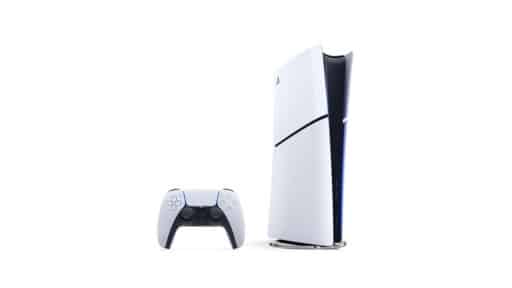
The disc wasn’t just how a game got onto your console. It was the thing you could trade in, lend to a friend, buy used, wrap as a gift, or keep on a shelf. Digital sales have been taking over for years, but PlayStation putting a date on the end of new game discs changes the conversation. Now the issue is what replaces the parts of physical games that digital stores never fully matched.
PlayStation Ending Physical Disc Production In January 2028
This is the kind of announcement that immediately changes the conversation around buying games. Physical game disc production for new PlayStation console releases ends starting in January 2028. New releases will still be sold through retailers, but those retail versions will be digital formats rather than discs.
PlayStation is ending new disc production, not blocking disc-based games people already own. You can still play the discs already in your collection. Games arriving before January 2028 can still get disc versions if those releases were already planned that way.
Even with those limits, this is a huge move. From that point on, new PlayStation console games move into a digital release model. If you already buy everything through PlayStation Store, that might not change your day-to-day routine much. If you buy used games, trade in finished games, share discs around the house, or like having a physical collection, this changes what buying games on PlayStation looks like.
The business side is easy to understand. Digital sales are strong. Retail shelf space isn’t what it used to be. More people are comfortable buying games directly from a store app. The harder question is what happens after the sale. If more PlayStation purchases become account-bound, PlayStation also needs stronger answers for access, older storefronts, downloads, cloud access, and the long-term value of a paid library.

Grand Theft Auto VI Already Has A Code-In-Box Pre-Order
This PlayStation announcement came days after Rockstar Games opened Grand Theft Auto VI pre-orders with one retail detail that already points in the same direction. The boxed pre-order version doesn’t include a disc. Rockstar’s pre-order details list the physical version as a code that can be redeemed for the digital download.
GTA VI is one game, and PlayStation’s announcement is a platform-wide change for new releases after a set date. The connection is obvious, though, because boxed retail is already moving toward codes instead of discs.
A box on a shelf still has value. Stores can sell it. Gift buyers can wrap it. Collectors can put it beside the rest of their games. For some people, that physical object is part of the hobby.
But a code in a box doesn’t work like a disc. Once the code is redeemed, the useful part of the purchase is tied to an account. The box may still sit on a shelf, but it no longer works like something you can trade, lend, or pass around.
That’s the ownership issue in plain terms. Code-in-box retail keeps stores involved, but it doesn’t keep the used game market working like it did in the disc era.
Digital Sales Have Been Moving This Way For Years
None of this comes out of nowhere. Sony’s FY25 supplemental data says the full-game software digital download ratio for PS4 and PS5 was 78% for the full fiscal year, up from 76% in FY24. Sony defines that number as full-game software units sold through digital transactions divided by total full-game software units.
Nintendo’s numbers are measured differently, but the direction is similar. Its FY26 financial material puts digital sales at 407.6 billion yen, up 25% year over year, with digital making up 54.6% of dedicated video game platform software sales. That figure includes downloadable versions of packaged software, add-on content, download-only software, Nintendo Switch Online, and related digital revenue.
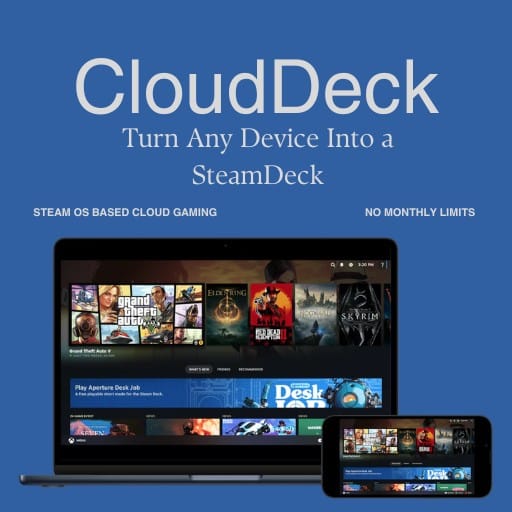
Microsoft doesn’t report XBOX software sales in the same physical-versus-digital format, but its business has been moving in the same direction. In FY25, Microsoft said gaming revenue increased 9%, driven by XBOX content and services, while XBOX hardware revenue fell 25% because of lower console volume. XBOX content and services revenue rose 16%, helped by Activision Blizzard and XBOX Game Pass.
Boxed Game Sales Tell The Same Story
The retail side tells the same story. In the UK, boxed game sales fell 35% in 2024, and boxed games accounted for only 10.4% of new game sales across all platforms, according to Digital Entertainment and Retail Association data reported by The Guardian.
So yes, the sales argument is already over in a lot of places. Digital isn’t some side path anymore. On PlayStation, it’s where most full-game purchases already happen. On Nintendo platforms, digital revenue is a major part of the business even with game cards still sitting on shelves. And, on XBOX, the business is already more tied to content, services, Game Pass, and digital access than selling more consoles.
But that’s only half the story. Sales numbers explain why companies are more willing to move away from discs. They don’t answer what gamers lose when the format changes. Digital can be convenient and less flexible at the same time. A store app can be faster than a trip to the mall, but it also changes what you can do with the game after you buy it.
Steam Normalized Digital Libraries Years Ago
PC gaming has lived with digital libraries for a long time. Valve created Steam in 2003 to distribute PC games and updates digitally, and for a lot of PC gamers, buying a boxed PC game now is a throwback.
Steam worked because it solved real problems. Games became easier to buy, update, reinstall, and move from one PC to another through an account. Your library followed you. That changed PC gaming habits, and it’s one reason digital buying became so normal on PC.
But Steam also makes the trade-off clear. Steam’s Subscriber Agreement says people may not sell, charge others for the right to use, or transfer their accounts or subscriptions unless the agreement or Valve specifically allows it.
That’s the part console gamers are now dealing with more directly. Digital libraries are convenient. Most of us already use them. But once purchases are tied to accounts, the old physical habits don’t come along automatically. Selling, trading, lending, and passing a game to someone else all become harder unless the platform creates a way to do it.
That’s why this hits differently on console. Steam trained people to accept digital libraries on PC, but consoles kept the physical game market alive much longer. PlayStation ending new discs forces that console conversation into the open.
Nintendo Switch 2 Game-Key Cards Tie Downloads To A Physical Card
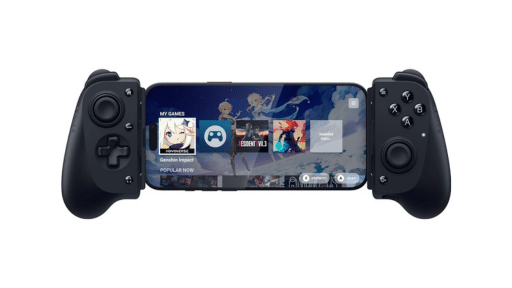
Nintendo Switch 2 game-key cards are interesting because they sit in the middle. These cards don’t contain the full game data. The card stores the key needed to launch the software. The first time you use one, the game data has to be downloaded, and the card still has to be inserted to play after that download is complete.
That’s not the same as a traditional cartridge. It still relies on a download. It still needs storage space. And, it still creates preservation concerns if download access changes years from now.
But it also isn’t the same as a standard digital purchase tied completely to an account. A game-key card can be used on another Nintendo Switch 2 console after downloading the software data there, and a Nintendo Account isn’t required to download the software data.
That physical key is the real wrinkle. It keeps a real object connected to the game. Retailers still have something to sell. Collectors still have something to put on a shelf. It also keeps trade, resale, and lending in the conversation in a way a redeemed download code usually doesn’t.
Game-key cards don’t bring back full games on physical media. They do suggest there’s room between a full game on a disc and a purchase locked completely to one account. That’s the kind of middle ground more console gamers are going to start asking about if discs disappear from new releases.
XBOX And PlayStation Are Already Building Digital Access Paths
XBOX hasn’t announced the same disc cutoff. But if new games keep moving away from discs, XBOX already has an easier answer for where your library can go.
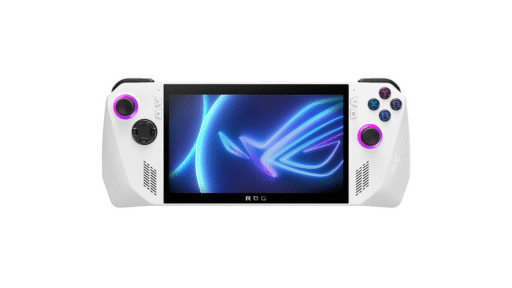
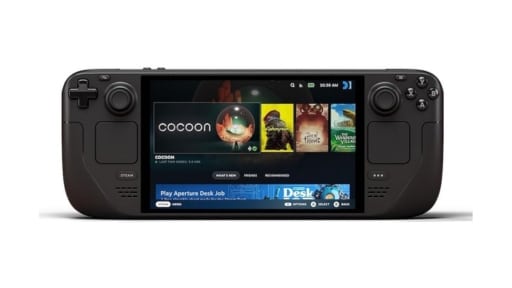
XBOX Play Anywhere lets supported games work across XBOX consoles, PC, and supported gaming handhelds at no additional cost. Saves, add-ons, and achievements can also move with you across those devices for supported games.
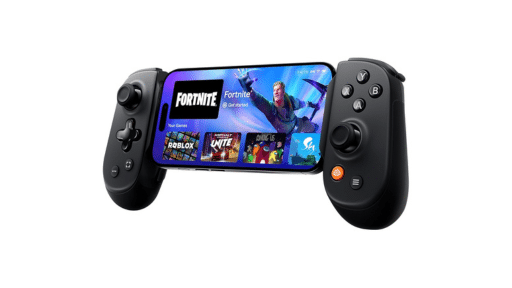
XBOX Cloud Gaming adds another piece. The service lets people stream console games on supported devices, including Windows PCs, phones, tablets, XBOX consoles, select smart TVs, Amazon Fire TV, and select Meta Quest headsets. Microsoft also lets people stream select cloud-playable games they own or buy with a required XBOX Game Pass subscription and a supported device.
PlayStation Cloud Streaming Still Needs To Reach More Screens
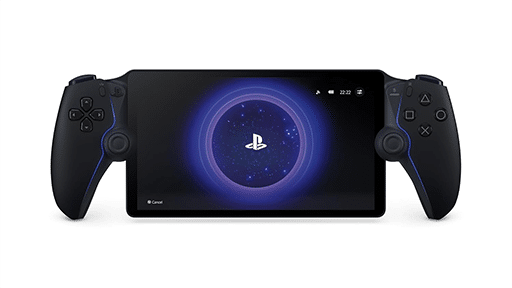
To be fair, PlayStation isn’t starting from zero here. PlayStation Plus Premium includes cloud streaming for select games, and PlayStation Portal now supports cloud streaming for select PS5 games without relying only on Remote Play from a PS5 console. Select digital PS5 games from your library can also be streamed when they are eligible.
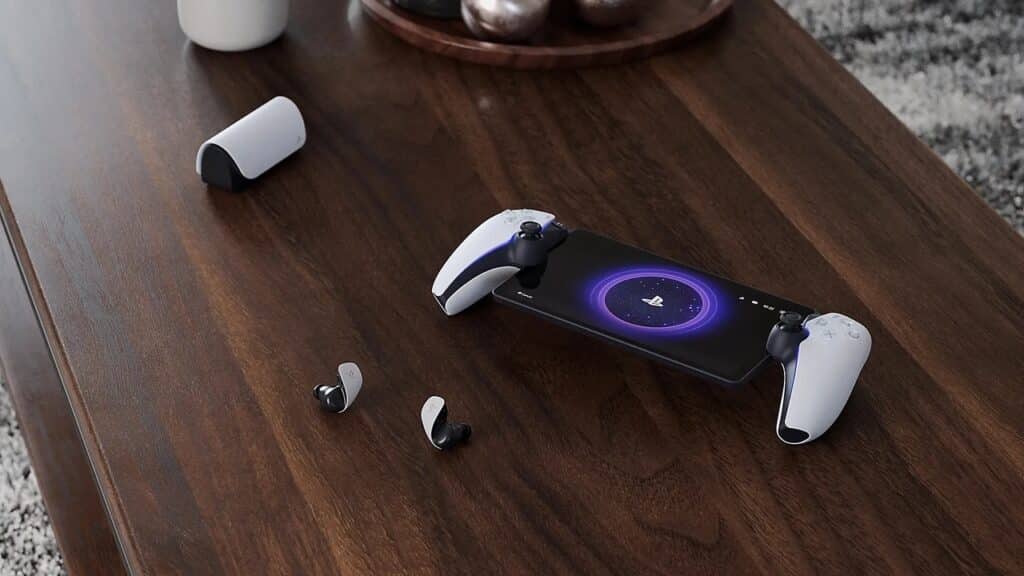
The next step should be opening that access beyond PlayStation hardware in a cleaner way. PlayStation Plus streaming on PC exists, but it’s more limited and clunky than it should be. If new PlayStation games are moving away from discs, PC, TV, mobile, and other screen support should become a much bigger part of the plan.
That kind of access is important when discs leave the picture. A digital purchase is easier to accept when it follows you to more screens. It loses a lot when it’s locked to one console, one store app, or one aging device.
XBOX still reaches more screens right now. PlayStation has PS5, PlayStation Portal, PlayStation Plus Premium cloud streaming, and a PC streaming app that needs work. XBOX has already pushed further into non-console access. If PlayStation is going to move new games away from discs, its cloud and library access story needs to keep growing.
PS3 And PS Vita Store Closures Bring Older Libraries Into The Debate
At the same time as announcing physical disc production ending in January 2028, PlayStation also announced changes for older PlayStation Store access. The PlayStation Store on PS3 will close in Mexico, Honduras, and Nicaragua starting in August 2026. Additional Latin American and Middle Eastern countries follow in late 2026. In all other countries, PlayStation Store on PS3 and PS Vita will close in July 2027.
Once those stores close on those devices, new purchases won’t be possible there anymore. Previously purchased content will still be downloadable after the closing date for the foreseeable future.
That’s better than losing download access at the same time, but the wording is important. A library entry is only as useful as the access behind it. Storefronts age. Payment rules change. Older devices stop matching modern store requirements. Eventually, companies move on.
This is why the digital ownership conversation can’t stop at whether a game appears in your account. If new releases move away from discs, the long-term access side needs more attention, not less.
Digital Game Ownership Needs Clearer Answers
There’s also a legal reality under all of this. Most modern game purchases are governed by software licence terms, whether the game comes on a disc, card, download, or through cloud access. PlayStation’s software terms say the software is licensed, not sold, and Steam’s Subscriber Agreement limits how accounts and subscriptions can be transferred.
That doesn’t make every format equal. What you can actually do with the game still changes depending on the format.
A disc gives you something you can trade, lend, collect, and resell. A code in a box keeps retail involved, but once that code is redeemed, the box has much less practical value. A standard digital purchase is convenient, but it’s usually tied to an account. A Nintendo Switch 2 game-key card keeps a physical access object connected to a downloaded game. Cloud access adds more places to play, but it depends even more on account access, service availability, supported regions, and supported games.
That’s the console fight PlayStation just pushed forward. Digital sales already won the business argument. Steam made account libraries normal. Console makers are already experimenting with different answers. XBOX leans into broader device access, PlayStation is expanding cloud streaming, and Nintendo Switch 2 game-key cards offer one possible middle ground for retail and resale.
Now that PlayStation has announced physical disc production ending in January 2028, the next step needs to be more than moving purchases from plastic cases into store libraries. If digital is becoming the default for new console games, gamers need stronger control over where their purchases go, how long they remain available, and what buying a game actually means when there is no disc.
As always, remember to follow us on our social media platforms (e.g., Threads, X (Twitter), Bluesky, YouTube, and Facebook) to stay up-to-date with the latest news. This website contains affiliate links. We may receive a commission when you click on these links and make a purchase, at no extra cost to you. We are an independent site, and the opinions expressed here are our own.