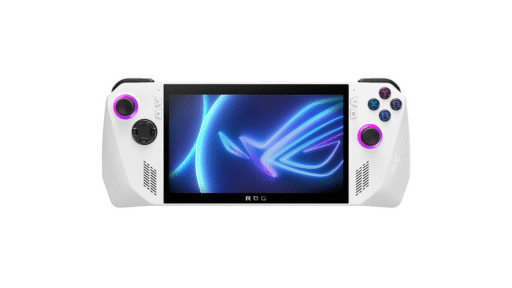



Cloud gaming is often discussed as a convenience feature. A way to play without downloads. A shortcut around expensive hardware. But a recent article published by Today.ua presents Boosteroid’s view very differently. In that article, cloud gaming is treated less as an entertainment service and more as a foundational layer of digital infrastructure.
That distinction matters. It places cloud gaming alongside streaming video, cloud computing, and global content delivery networks rather than next to consoles or graphics cards. In this view, what defines the experience is not the device in your hands, but the network behind it. Data centres. Latency. Platform-level integrations. Distribution at scale.
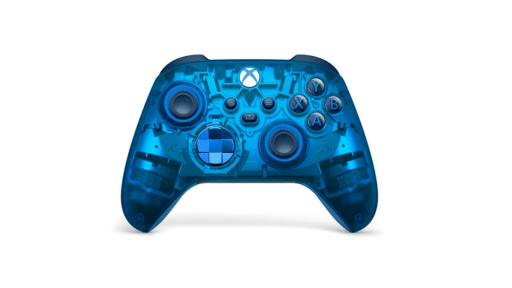
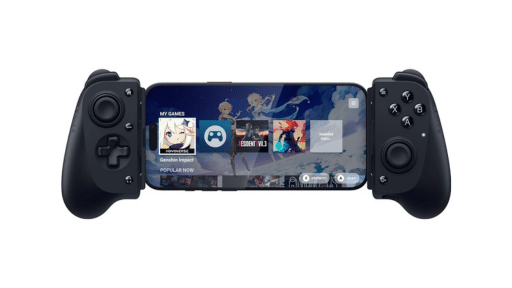
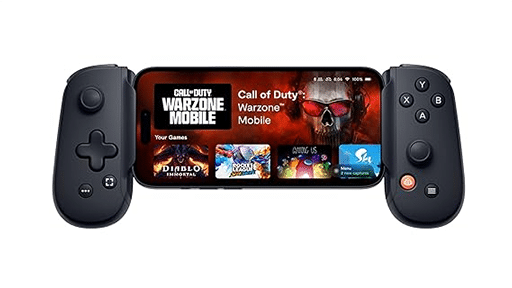
In the Today.ua article references comments from Artem Skoryi, Boosteroid’s Vice President of Business Development, but focuses less on the individual and more on how the company positions cloud gaming itself. Not as a niche offering, but as a system designed to shift computing workloads away from local hardware and into globally distributed infrastructure.
This is not a new conversation for cloud gaming. But it is becoming harder to ignore.
From Hardware Dependence to Infrastructure Access
The article describes a structural shift already underway. Instead of games running locally on PCs or consoles, more of the computational load is handled remotely. That shift changes what defines the experience. Processing power moves into data centres. Screens become interchangeable. The experience depends less on what you own and more on where you connect from.
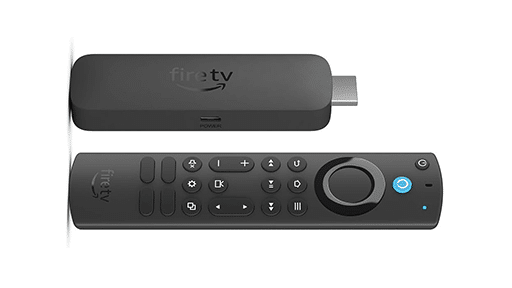
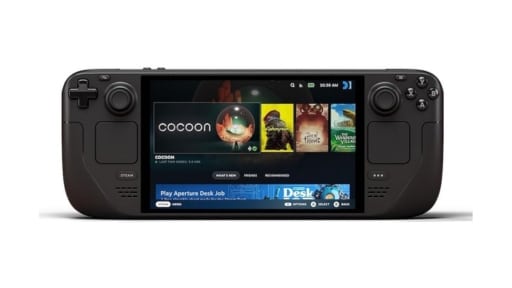
The article describes Boosteroid’s approach as following that logic. Premium PC games are accessed through the cloud and streamed to a wide range of devices. Smart TVs. Mobile phones. Tablets. Laptops. The hardware itself becomes secondary.
This access-first model resembles how video and music streaming evolved. Users no longer manage files or upgrade devices just to reach content. They sign in and start watching or listening. The comparison is made directly in the Today.ua reporting, positioning cloud gaming alongside services like Netflix and Spotify in terms of distribution model rather than content type.
That comparison carries weight for how cloud gaming is understood. It suggests the long-term competition is not about who builds the most powerful local hardware. It is about who builds the most reliable global delivery network.
Platform Integrations Over Standalone Services
Another theme in the article is integration. Cloud gaming doesn’t exist in isolation. It increasingly appears inside platforms that were not originally designed for games.
The article points to Boosteroid’s involvement in partnerships that bring PC game access directly to Smart TVs without requiring a dedicated console. It also references integrations that allow certain PC Game Pass titles to be accessed in these environments. These moves are not framed as experiments. They are presented as part of a broader strategy to place games wherever screens already exist.
The Today.ua article also highlights collaboration with Mercedes-Benz, where full PC gaming experiences are integrated into in-car infotainment systems. This is not about replacing traditional gaming setups. It is about expanding where gaming fits once hardware limitations are removed.
These examples point to a broader shift in how cloud gaming services position themselves. Rather than competing as standalone platforms, they increasingly function as service layers embedded within existing ecosystems. Gaming is starting to mirror how other forms of digital media are distributed and accessed.
Infrastructure Scale Becomes the Differentiator
Once cloud gaming is framed as infrastructure, scale becomes the primary differentiator. The Today.ua article outlines Boosteroid’s server network across Europe, North America, and South America, with a focus on reducing latency across regions.
The article states that Boosteroid operates through 28 data centres and supports resolutions up to 4K with frame rates up to 120 FPS. It also notes that Boosteroid has grown to more than eight million registered users. These figures are presented as part of the company’s growth narrative and are attributed directly to Today.ua’s reporting.
What’s interesting isn’t the numbers on their own, but what they reflect. Cloud gaming performance depends on geographic coverage, infrastructure investment, and network optimisation. Expanding server capacity becomes a strategic decision, not just a technical one. This reflects a broader reality already shaping the cloud gaming market, where data centre location increasingly determines which regions services can reliably support.
The Today.ua article also notes ongoing collaboration with hardware manufacturers such as AMD and ASUS. These relationships focus on aligning server architecture and capacity with global demand. The emphasis is on sustaining performance at scale rather than on individual devices.
Cloud Gaming as a Long-Term Systems Shift
The Today.ua reporting frames cloud gaming as a systems-level shift rather than a simple feature upgrade. The focus is not on novelty. It is on how games are distributed, accessed, and supported across regions and devices.
This perspective reflects broader patterns already visible across the industry. At the same time, TV-first cloud gaming is expanding. Gaming inside vehicles is becoming more common. Platform-level access continues to replace traditional storefront boundaries. In each case, the underlying change is the same. As a result, computing power moves away from personal hardware and into distributed systems designed for constant availability. In that context, data centres increasingly function as the real hardware layer behind cloud gaming, replacing the role traditionally held by consoles and gaming PCs.
The Today.ua article doesn’t predict the end of consoles or PCs. It does not need to. Instead, it shows how the centre of gravity is shifting. Gaming becomes something you access rather than something you install.
That shift is still unfolding. But framing cloud gaming as infrastructure rather than entertainment helps explain why its role in the industry continues to expand.
As always, remember to follow us on our social media platforms (e.g., Threads, X (Twitter), Bluesky, YouTube, and Facebook) to stay up-to-date with the latest news. This website contains affiliate links. We may receive a commission when you click on these links and make a purchase, at no extra cost to you. We are an independent site, and the opinions expressed here are our own.