


Earlier this week, we reported that Xbox Cloud Gaming appeared to be testing a free, ad-supported tier after references to “1 hour of ad-supported playtime per session” surfaced in the service interface. At the time, the discovery raised questions about whether Microsoft was preparing a new way to access cloud gaming without a Game Pass subscription.
Now, new reporting from Windows Central has added important context, and it largely confirms what that initial discovery suggested.



According to the report, Microsoft is actively preparing an ad-supported access option for Xbox Cloud Gaming, with a rollout expected sometime this year. While Xbox has not formally announced the feature, multiple references to ad-supported play have now appeared across live builds, pointing to a limited, session-based experience rather than a replacement for Game Pass.
This confirms that what first appeared as a small UI detail was likely an early look at a broader plan already in motion.
What the Ad-Supported Tier Looks Like So Far
Based on the latest information, the ad-supported tier would allow players to access Xbox Cloud Gaming without an active Game Pass subscription, but with clear limitations.
The most visible detail so far is the reference to one hour of ad-supported playtime per session. This suggests a model built around short access windows, likely supported by ads that appear before or during gameplay.
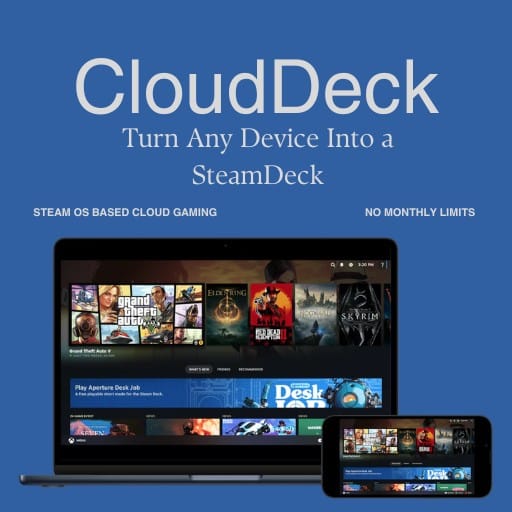
Importantly, this does not appear to replace Game Pass. Instead, it would exist alongside it, offering a lower barrier of entry for players who want to try cloud gaming without committing to a monthly subscription.
That approach lines up with how Xbox already handles free-to-play titles such as Fortnite, which can be streamed without a subscription. The difference here is scale. This appears to extend that idea beyond a single game and into a broader access model.
Why This Direction Makes Sense for Microsoft
From a business standpoint, the move fits neatly with Microsoft’s current cloud strategy. Cloud infrastructure is expensive to operate, and unused server capacity represents lost value. An ad-supported tier allows Microsoft to fill that idle capacity while introducing new users to the Xbox ecosystem.
It also creates a natural funnel. Players who start with limited, ad-supported sessions can later move into Game Pass if they want longer playtime, higher quality streaming, or access to a wider library.
This mirrors what is already happening elsewhere in cloud gaming. Blacknut has experimented with ad-supported access through its ZAP! initiative. Samsung has pushed free cloud gaming through its Gaming Hub. Across the industry, ads are increasingly becoming the trade-off for accessibility.
What We Still Do Not Know
While the direction is now clearer, several details remain unanswered:
- Which games will be available through the ad-supported tier
- How frequently ads will appear
- Whether sessions reset immediately or after a cooldown
- If a Microsoft account will be required
- Which regions will receive access first
What is clear is that this is not a short-term test. According to sources cited by Windows Central, the feature is expected to launch later this year, suggesting Microsoft is already confident in the model.
A Logical Next Step for Cloud Gaming
When this first surfaced earlier in the week, it looked like an early test. With new reporting from Windows Central now confirming the direction, the picture is much clearer.
Xbox appears to be positioning cloud gaming as a more open platform, one that lowers the cost of entry while still supporting its subscription business. As hardware prices rise and traditional console growth slows, this kind of access model makes sense.
If the rollout goes smoothly, it would not be surprising to see similar approaches adopted more widely across cloud gaming in the near future. And as with many Xbox initiatives, it looks like this shift is happening quietly first, with a broader rollout to follow.
As always, remember to follow us on our social media platforms (e.g., Threads, X (Twitter), Bluesky, YouTube, and Facebook) to stay up-to-date with the latest news. This website contains affiliate links. We may receive a commission when you click on these links and make a purchase, at no extra cost to you. We are an independent site, and the opinions expressed here are our own.