


Founded in Amsterdam in 2021, YOM is a cloud gaming company focused on browser-based game delivery. Publishers upload a game once, players open it through a link, and the stream starts without a download. Instead of putting all of that delivery inside traditional data centres, YOM is pitching a broader network of GPU nodes to handle it.
Two recent announcements put that pitch on a clearer timeline. On February 10, YOM announced a $3 million strategic investment round led by the Avalanche Foundation and Borderless Capital, bringing total funding to more than $4 million. On March 12, it set March 25, 2026 at 14:00 UTC for its $YOM token generation event and tied that date to the start of its live network rollout.



A Different Route to Instant Play
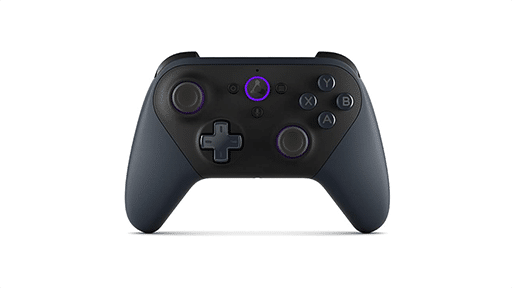
YOM isn’t presenting itself as a cloud gaming destination you browse the way you would GeForce NOW or Amazon Luna. It’s pitching the layer behind the stream instead: browser delivery, embedded game links, playable demos, and direct access on phones, tablets, desktops, and other screens without a download or app-store install. YOM also points to average latency below 12 milliseconds in its public material.
The setup is pretty simple. A game opens through a web app, embedded link, or partner platform. From there, YOM routes the session to a nearby node through HyperOrch and delivers the stream over WebRTC. In its technical docs, the company describes direct peer-to-peer delivery between the node and the player’s device, with sub-40 millisecond latency targets, while NANO is positioned as the hardware that turns a gaming PC into a node on the network.
Built for Publishers, Not a Storefront
YOM sits on the distribution side of cloud gaming, not the storefront side. It isn’t pitching a catalogue or a consumer platform. It’s pitching a way for publishers to place playable games on websites, apps, and partner channels without asking players to install a client first.
The publisher angle is where this starts to get more interesting. YOM says studios can deploy games directly onto websites, apps, and social platforms, lower distribution costs from the usual $1 to $2 per hour range to roughly $0.05 per session, maintain control over monetization models, and keep 100% of direct game sales revenue.
The funding round points in the same direction. YOM said the new capital will support low-latency streaming infrastructure, social distribution, and rollout of its NANO hardware, which lines up with the company’s larger push around browser-based game delivery.
Browser-based demos, branded portals, and direct game links are easy enough to picture. The bigger question is whether YOM can deliver the scale and performance it’s promising.
Big Claims, Early Stage
The challenge is that nearly every major number here comes from YOM’s own material, and the performance targets don’t line up perfectly across those materials. One part of the pitch points to average latency below 12 milliseconds. The network material describes sub-40 millisecond latency targets, while the funding post talks about making sub-20 millisecond latency standard. That doesn’t rule the model out, but it does mean YOM is still making its case in public rather than backing it up with broad third-party testing.
It’s also hard to separate the infrastructure side from the token side because YOM has built its network economics around $YOM. In the March 12 post, the company says publisher spending on network usage triggers market purchases of the token, with 55% going to network growth, 40% going to node operators, and 5% burned.
YOM’s Broader Network Rollout Starts March 25
For now, March 25 is the next concrete date attached to YOM’s broader rollout. The company has tied that date to both the token generation event and the start of its live network rollout, with more games, more nodes, and more players planned after that point. The bigger question is whether that rollout holds up once YOM’s performance and cost claims start facing broader public testing.
As always, remember to follow us on our social media platforms (e.g., Threads, X (Twitter), Bluesky, YouTube, and Facebook) to stay up-to-date with the latest news. This website contains affiliate links. We may receive a commission when you click on these links and make a purchase, at no extra cost to you. We are an independent site, and the opinions expressed here are our own.