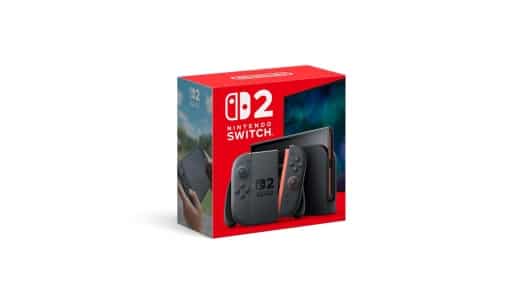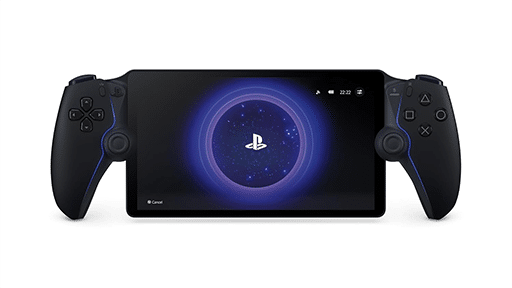



For years, console pricing has followed a familiar pattern. Hardware launches at a loss, margins tighten, and platform holders make their money back over time through games, subscriptions, and accessories. That model was already under strain from tariffs and cautious consumer spending.
Now, a much bigger force is reshaping the equation. The global rush to build artificial intelligence infrastructure is pulling memory and computing resources away from consumer hardware. And that pressure is starting to show up in the one place gamers notice immediately: the price tag.
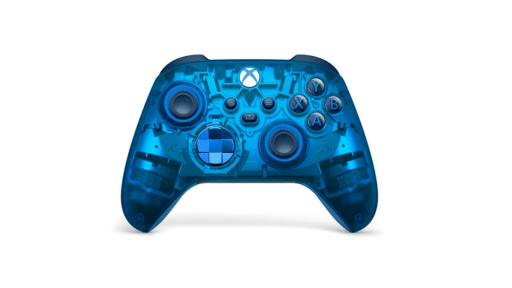
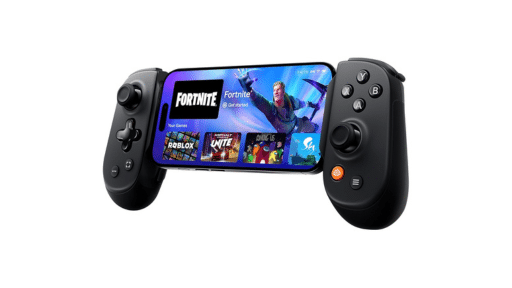
Cloud gaming doesn’t escape these shifts entirely, but it avoids the most painful part of them. As console costs rise and hardware cycles stretch, cloud platforms quietly become easier to justify. Not as a replacement. As an alternative that fits a changing market. Cloud gaming platforms like Xbox Cloud Gaming, GeForce NOW, and Amazon Luna already operate on centralized infrastructure, insulating players from the most immediate effects of rising hardware costs.
That centralized model builds on trends we have explored before, including how data centres have become the real hardware behind cloud gaming’s future and why they now determine where cloud gaming can realistically exist.
AI Infrastructure Is Reshaping the Chip Market
The current surge in AI investment is unlike anything the tech industry has seen in decades. Data centres are expanding at scale, and they are hungry for the same components that power modern consoles and gaming PCs.
Memory makers are responding accordingly. Dynamic random access memory and high-performance storage are being prioritized for enterprise and data-centre customers, where margins are higher and contracts are long term. That leaves fewer chips available for consumer devices, including consoles that already operate on razor-thin margins.
This is not a short-term disruption. Analysts tracking the memory market expect price increases to continue into next year, on top of the significant hikes already seen. Even companies that lock in inventory years in advance can only soften the impact for so long. When supply tightens and costs rise, something has to give.
Console Pricing Pressure Is Stacking, Not Fading
Console makers have weathered component increases before, but this cycle looks different. Tariffs raised manufacturing costs earlier in the year. Now memory pricing is adding more pressure. Industry analysts are already warning that sticker prices could rise another 10 to 15 percent over the next year or two.
That comes at a time when hardware sales are already slowing and average selling prices are hitting record highs. New consoles are no longer positioned as broadly affordable entry points. They are premium devices competing for space in increasingly cautious household budgets.
Raising prices risks pushing demand down further. Delaying hardware refreshes risks slowing momentum. Neither option is particularly attractive, but both are becoming more likely as component costs climb.
Cloud Gaming Avoids Per-Device Cost Exposure
This is where cloud gaming’s economic model starts to matter more. Traditional consoles carry their costs one unit at a time. Every box sold reflects the current price of memory, storage, and silicon. When those inputs spike, the impact is immediate and visible.
Cloud gaming platforms absorb those costs centrally. Hardware investments are made at scale, often using server-grade components secured through long-term agreements. Instead of passing price increases directly to players through higher console prices, cloud platforms spread those costs across usage over time.
That doesn’t make cloud infrastructure cheap. It makes it predictable. In a market where component pricing feels increasingly volatile, predictability has real value.
Higher Hardware Prices Change How Access Is Valued
As console prices creep upward, the way people think about access begins to shift. A cloud subscription or pay-as-you-go model feels very different when the alternative is a $700 or $800 hardware purchase. Playing without buying a dedicated box no longer sounds like a compromise. It sounds like a practical choice.
This isn’t about abandoning consoles. Many players will continue to prefer local hardware for performance, ownership, or habit. But higher upfront costs make flexible access easier to justify, especially for people who play across devices or in shorter bursts. Cloud gaming benefits from that recalibration, even without changing what it offers.
This Doesn’t Mark the End of Consoles, It Widens the Middle
Again, none of this signals the end of consoles. Platform holders will adapt, just as they always have. Hardware will remain a core part of gaming’s future. What’s changing is the space around it.
As AI infrastructure pulls resources upward and hardware economics tighten, cloud gaming becomes less about novelty and more about balance. It offers a way to play that sidesteps the most immediate effects of rising component costs, without demanding a full shift in how games are made or sold.
The AI boom isn’t killing consoles. It’s quietly making alternatives more viable. And cloud gaming happens to be standing right there when the pressure builds.
As always, remember to follow us on our social media platforms (e.g., Threads, X (Twitter), Bluesky, YouTube, and Facebook) to stay up-to-date with the latest news. This website contains affiliate links. We may receive a commission when you click on these links and make a purchase, at no extra cost to you. We are an independent site, and the opinions expressed here are our own.