


Can you believe it has been three years since the sunset? In the fast-moving world of tech, three years usually feel like an eternity, enough time for the “next big thing” to become ancient history. Yet, here we are in 2026, and while cloud gaming has become a standard feature of the industry, there is a hole that no other service has managed to fill.
I know the narrative around Stadia. People called it a failure. They pointed to the business model or the lack of exclusive “system sellers.” But for those of us who were there, Stadia wasn’t just a console in the cloud. It was a vision of what gaming could be when it stopped being tied to a plastic box under the TV.
The Features We Still Don’t Have
In 2026, we have plenty of ways to stream games. We have massive libraries and powerful virtual rigs. But ironically, we’ve moved backward in terms of cloud innovation.
Remember State Share? It was the ultimate “see it, play it” tool. You could capture a moment in a game and send a link to a friend, and they would drop into that exact slice of gameplay. It turned gaming into a web-like experience. Today, sharing a game still feels like a clunky process of invites and lobby codes.
Then there was Crowd Play. The dream of clicking a button on a YouTube stream and instantly waiting in line to play with your favorite creator. It bridged the gap between being a spectator and a participant in a way that felt like the natural evolution of the medium. Today, that wall between “watching” and “playing” has been rebuilt.
A Proper Sense of Community
But beyond the technical feats, what I miss most is the soul of the platform. In 2026, gaming news feels like a constant, exhausting cycle of leaks and corporate PR. Stadia was different.
We had Stadia Thursdays. It was more than just a blog post; it was a weekly heartbeat for the community. We’d gather around our screens, refreshing the page to see the latest “Pro” games or feature updates. It was a ritual. There was a genuine excitement in seeing how the platform was evolving in real-time.
The community wasn’t just a group of customers; it was a dedicated collective of early adopters. We had our own community-led streams, our own developers who took the time to talk to us, and a sense of shared optimism. We, the “Stadians”, knew the tech was magic. Even if the rest of the world hadn’t caught on yet.
More Than Just a Service
Today’s cloud services feel like services. They are convenient ways to play games you already own or subscribe to. They are functional, but they aren’t special. Stadia felt like a home. It was the “click to play” immediacy, the lack of patches, and the way it made a cheap Chromebook feel like a high-end gaming PC. But mostly, it was the feeling that we were part of something new.
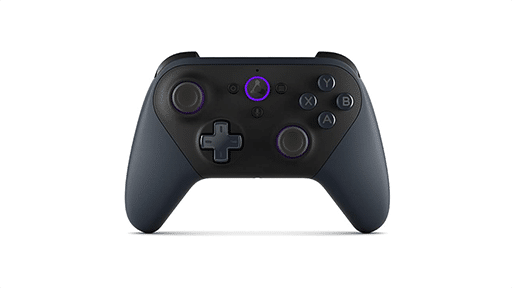
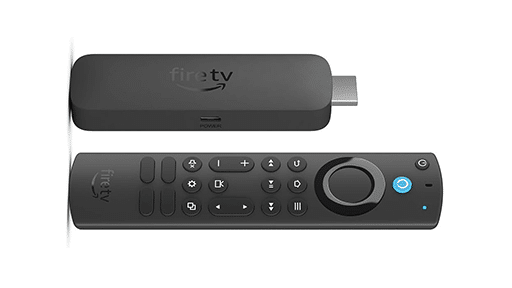
It’s true that some current services feel like they’re trying to carry the torch. Amazon Luna, for instance, has polished its UI and added features like “Game Night” that lean into social play. But even as it improves, you can still feel the massive weight of Amazon behind it. It feels like an extension of a retail ecosystem, a “Prime perk” rather than a gaming destination.
For better or worse, Stadia felt surprisingly independent of the broader Google ecosystem. Despite the full name, it had its own personality, its own distinct voice, and a playful energy that made you forget it was owned by one of the largest companies on Earth. It felt like a passion project for the team involved, at least until the “higher-ups” decided to pull the plug. When Google finally ended it, it felt like a corporate decision crushing a creative one.
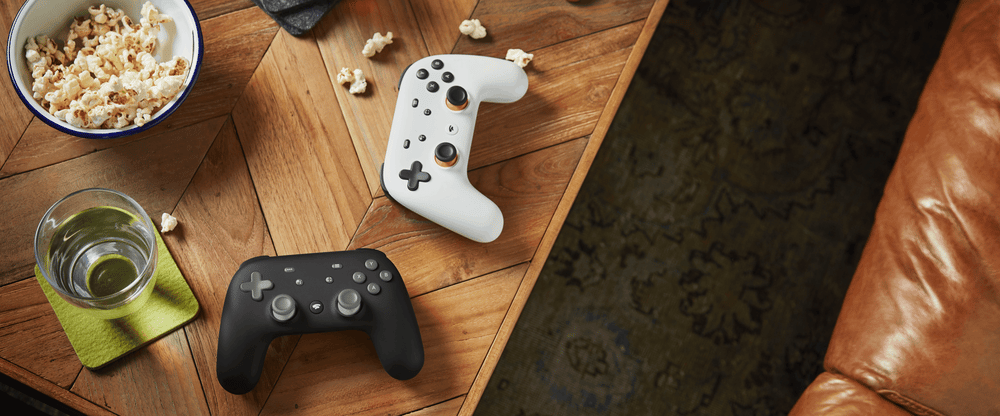
I still have my Stadia controller. It’s a Bluetooth gamepad now, but every time I pick it up, I don’t just think of the tech. I think of the Thursdays, the community chats, and the feeling that we were all building the future of gaming together.
It’s 2026, and the cloud is everywhere. But it’s still not quite Stadia…
As always, remember to follow us on our social media platforms (e.g., Threads, X (Twitter), Bluesky, YouTube, and Facebook) to stay up-to-date with the latest news. This website contains affiliate links. We may receive a commission when you click on these links and make a purchase, at no extra cost to you. We are an independent site, and the opinions expressed here are our own.



Sums up my thoughts!