


AI may make it easier for more people to create games, but Nuuvem CEO Fernando Campos thinks the bigger gaming fight will come after those games exist. His argument is that distribution and discovery could become the harder problem once more games are fighting to be noticed.
That connects with something we’ve already been tracking with spawnund, Nuuvem’s browser-native demo platform. The pitch isn’t just about getting a demo into someone’s hands faster. It’s about shortening the gap between seeing a game, trying it, and deciding whether it is worth following.


Cloud gaming belongs in the same access discussion. Browser demos and cloud trials also cut down the steps between interest and play, but each model handles the problem differently. They all sit near the same pressure point of getting people to actually try games in a crowded market.
AI Shifts The Bottleneck From Creation To Discovery
AI-assisted creation changes the first part of the game business problem. It can make art, code, prototypes, and production work easier to start, especially for smaller teams or solo creators. That doesn’t automatically make a game easier to sell, explain, or get in front of the right audience.
Campos’ argument is less about the tools themselves and more about what happens after those tools become common. If more people can build something playable, the market doesn’t suddenly gain more time, more attention, or more room on storefronts. It gains more competition for the same limited space.
A new game still has to get noticed. It still has to look worth someone’s time. It still has to survive the jump from a trailer, social clip, article, creator mention, or storefront page into an actual hands-on moment. The creation barrier may be lower, but the attention barrier is still high. AI can help more ideas become playable. It can also make it easier for those ideas to disappear before enough people ever try them.
spawnd Sits Closer To The Distribution Problem
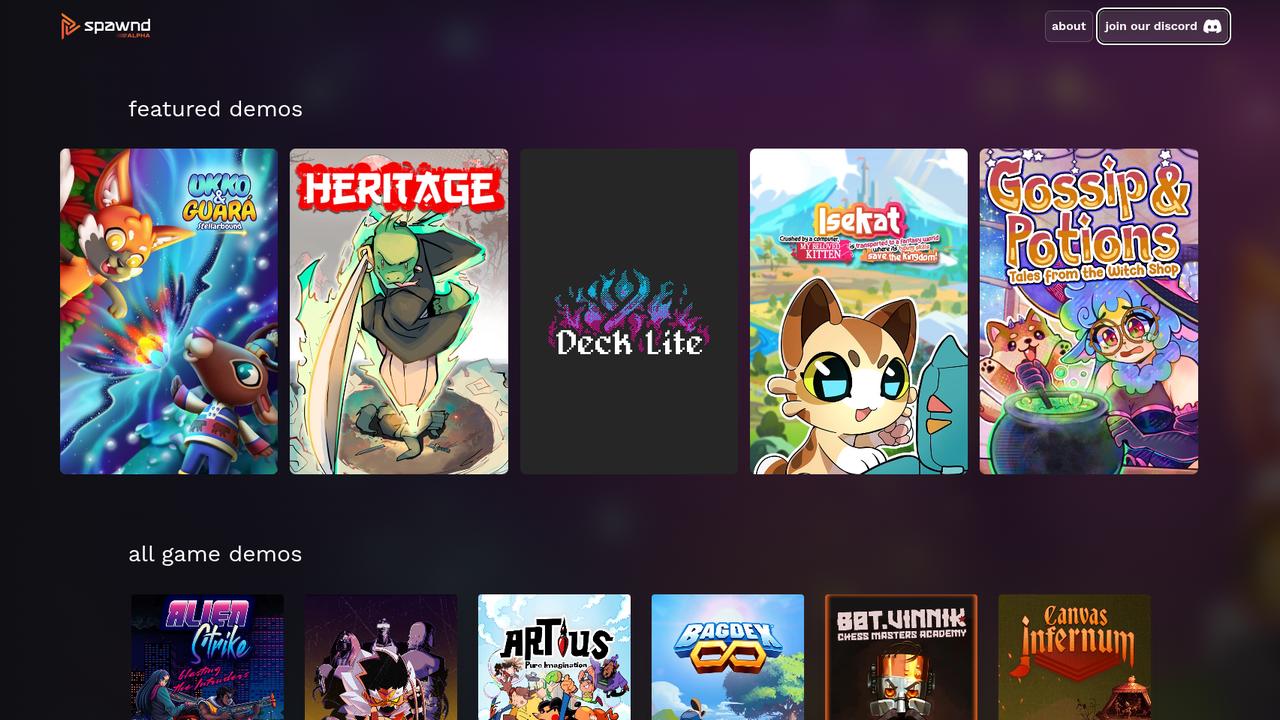
spawnd is closer to distribution than a standard demo page. Nuuvem has positioned spawnd around fast access to playable demos through the browser, with the goal of moving someone from discovery to play with fewer steps.

The browser piece is only part of it. spawnd is trying to sit closer to the moment where interest usually drops off. Someone sees a game, thinks it looks interesting, and then has to search for it, open another store, install something, wait through extra steps, or remember to come back later. Every extra step gives that person a chance to leave.
That problem existed before AI. It gets sharper if AI-assisted development adds more games to the pile. Storefronts can list more games. Social feeds can surface more clips. Creators can recommend more things. None of that guarantees that someone will actually try the game before the moment passes. spawnd’s answer is to make discovery playable sooner. That keeps the focus on distribution, not only promotion. A game doesn’t just need to be seen. It needs a fast path from interest to a real first impression.
Browser Demos Offer A Different Answer Than Cloud Gaming
Campos also draws a clear line between spawnd’s model and cloud gaming. His criticism of cloud gaming is aimed at the economics and infrastructure behind running full games remotely, where a service needs expensive compute close enough to the person playing. That’s a real business concern, but it shouldn’t turn into a blanket dismissal of cloud gaming.
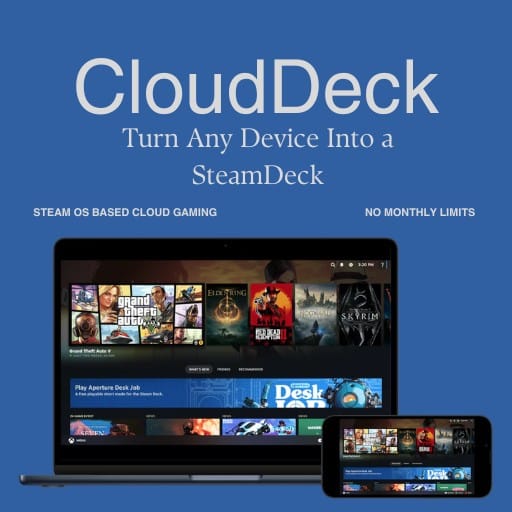
Cloud gaming and browser-native demos are answering different access problems. Cloud gaming can make a full game available across more screens without a powerful local machine. Browser demos are closer to discovery, where the goal is to remove enough friction for someone to try a game quickly.
Cloud gaming is one way to expand access. Browser-native demos reduce the distance between interest and play. Cloud trials sit nearby when they are tied to purchase decisions or storefront discovery. All three models treat trying a game as part of discovery, not something that happens later. The industry keeps looking for ways to make games easier to try, because watching a trailer or reading a store page only goes so far. If AI creates more competition for attention, faster hands-on access becomes more than a convenience.
Curation Matters More In A Crowded AI Era
Discovery is not only about speed. It is also about trust. Nuuvem’s business sits close to that problem because the company already works across store, publishing, and distribution relationships. Campos also described Nuuvem watching signals around games it has and games it doesn’t have, looking for the ones that appear to be gaining traction and may be worth bringing closer to its publishing side.
That kind of monitoring is not the whole answer, but it supports the larger point. If the number of playable games keeps rising, curation becomes more valuable. People will not only need more store pages. They will need better signals about which games are worth trying.
AI can produce more options, but more options can make the search feel worse. Platforms, publishers, creators, and communities all become part of the discovery chain. A good game still needs someone or something to surface it at the right time. That also means distribution is not only about putting a game on a store. It’s about helping a game reach the right audience before the launch window passes, before the algorithm moves on, and before interest gets buried under the next wave of new releases.
Distribution Becomes The Next Fight For New Games
The AI conversation in gaming often starts with creation because that is the most visible change. It is easy to imagine smaller teams making more ambitious games, prototypes moving faster, or creators testing ideas that would have been too expensive before.
The harder question is what happens after that. A playable game still needs a path to attention. It needs a way to stand out without relying only on storefront placement, social luck, or a short burst of launch interest. That part of Campos’ argument connects directly to game access. The future of game access isn’t only about running a full game from a server. It’s also about reducing the steps between curiosity and play, especially when so many new games are already fighting for attention.
spawnd is one answer to that problem. Cloud trials are another. Curated cloud libraries, creator recommendations, publisher relationships, and better demo systems all connect back to the same need to turn interest into play. AI may make it easier to create the next interesting game. The next fight is making sure someone actually finds it, tries it, and remembers it long enough to care.
As always, remember to follow us on our social media platforms (e.g., Threads, X (Twitter), Bluesky, YouTube, and Facebook) to stay up-to-date with the latest news. This website contains affiliate links. We may receive a commission when you click on these links and make a purchase, at no extra cost to you. We are an independent site, and the opinions expressed here are our own.