


Radian Arc is bringing its GPU edge infrastructure to North America through a new partnership with PureColo and Carrier Connect Data Solutions. The deal puts Radian Arc’s GPU edge platform inside PureColo data centres and connects it through Carrier Connect’s carrier-neutral network, with cloud gaming infrastructure aimed at Canada and the United States.
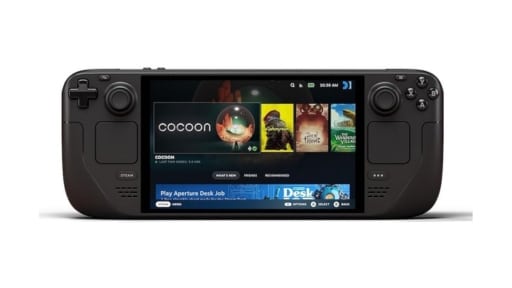
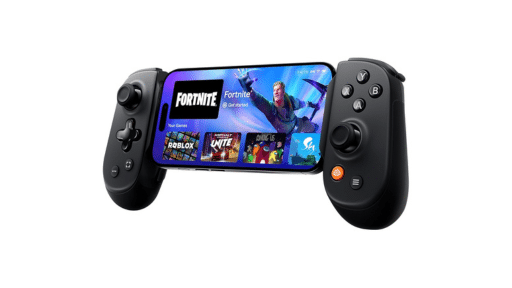
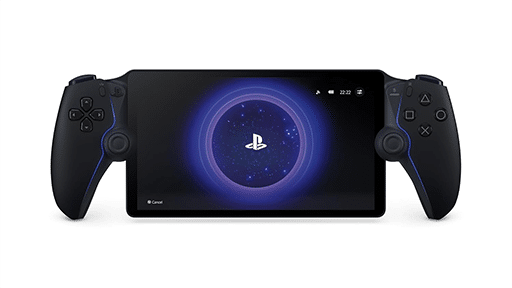
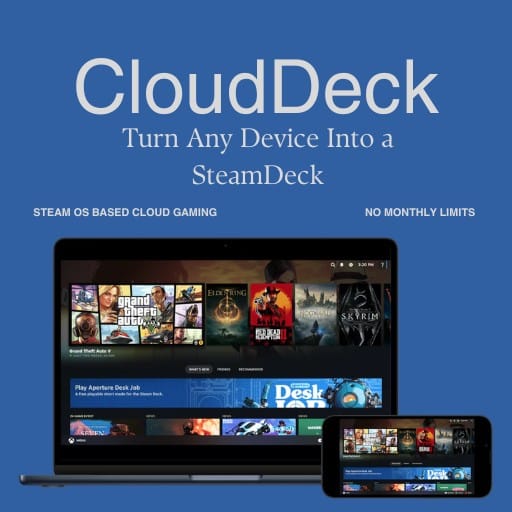
Radian Arc Cloud Gaming is aimed at telecom operators and digital service providers that want game streaming inside their own customer services. Smart TVs, PCs, Set-Top Boxes, and smartphones are all named as supported device categories. AI workloads are also part of the same GPU plan, but the cloud gaming connection is the practical reason to follow this from a game streaming angle.

Radian Arc Wants Telecom Operators To Build Cloud Gaming Services
Radian Arc Cloud Gaming sits behind whatever a telecom partner builds next. It is the GPU layer that telecom operators and digital service providers can use when they want to add game streaming to their own services. That keeps Radian Arc in the infrastructure role rather than putting it in the same lane as consumer cloud gaming brands.
For cloud gaming, the work behind the service has a direct effect on the final result. A game library gets someone interested, but local GPU resources, video delivery, networking, and compute capacity decide whether the stream responds quickly enough for regular play. Radian Arc’s role is to provide that GPU layer for services running closer to the homes and devices that would use it.
We’ve seen Radian Arc show up in telecom-backed cloud gaming before, including infrastructure tied to Blacknut in Vietnam and other regional partnerships. That history makes this North American deal more interesting. Radian Arc is not just talking about cloud gaming as a future use case. It has already been part of cloud gaming rollouts elsewhere, and this partnership brings that same GPU edge approach closer to Canada and the United States.
PureColo And Carrier Connect Bring A North American Footprint
PureColo handles the data centre side of the partnership, with facilities that will host Radian Arc’s GPU edge platform. Carrier Connect Data Solutions adds the network side through its carrier-neutral data centre ecosystem. Together, they connect the physical hosting and network pieces Radian Arc needs for a North American cloud gaming infrastructure push.
Cloud gaming depends on where the GPU sits and how quickly the network responds. Shorter network paths can reduce the delay between controller input and the streamed video response. It is also why edge infrastructure keeps coming up around telecom-backed cloud gaming.
The first rollout covers GPU edge locations in North America, but Radian Arc hasn’t named cities, site count, or telecom operators yet. At this stage, the partnership is about the infrastructure behind a possible service, not a named launch you can try.
GPU Edge Infrastructure Goes Beyond Game Streaming
InferX GPUaaS is the AI side of the same deployment. Radian Arc is tying InferX to dedicated GPU clusters for inference work and AI training. Agentic workloads are also part of the plan. The target customers include enterprise, government, and cloud service customers.
The AI side doesn’t take cloud gaming out of the picture. It shows why the same GPU footprint can serve more than one customer. The same kind of local GPU infrastructure that can power telecom-backed cloud gaming can also support AI workloads when the customer isn’t a gaming service.
Cloud gaming needs powerful GPUs closer to customers. AI demand creates another reason to put that compute capacity closer to the people and organizations using it. That makes the North American deployment easier to understand as an infrastructure move, not just a cloud gaming experiment.
Radian Arc’s North American Push Still Needs A Launch Plan
If you’re reading this hoping for a new cloud gaming service to try in Canada or the United States, we’re not there yet. Radian Arc hasn’t named a carrier, app, subscription, game library, or launch city tied to this deployment.
But the infrastructure side is still an important step. PureColo and Carrier Connect can help bring GPU capacity closer to where people would actually use it, whether that is on a Smart TV, PC, phone, or Set-Top Box. That is the part cloud gaming services need before the consumer side can really take shape.
So, this isn’t the finish line. It is one of the pieces that has to be in place before a telecom-backed cloud gaming service can become real for more people in North America. The next thing I want to see is a real partner, a real game library, and a launch plan that lets people actually sit down and play.

As always, remember to follow us on our social media platforms (e.g., Threads, X (Twitter), Bluesky, YouTube, and Facebook) to stay up-to-date with the latest news. This website contains affiliate links. We may receive a commission when you click on these links and make a purchase, at no extra cost to you. We are an independent site, and the opinions expressed here are our own.