


A May 20, 2026 LinkedIn analysis from David Pavón Sánchez-Cabezudo brings a cloud-services business view to telecoms and cloud gaming. Pavón Sánchez-Cabezudo works across gaming, games-as-a-service (GaaS), and software-as-a-service (SaaS) business development, including roles with ALSO Group and Ludium Lab. Most people talk about cloud gaming as a consumer service, meaning a way to play high-end games without buying a console or expensive PC. The bigger industry read is that telcos also see cloud gaming as a way to turn fibre, 5G, edge GPU capacity, and managed network quality into services people can understand.
Cloud gaming turns network work into a visible experience. If a connection drops packets or struggles with jitter, the problem shows up quickly. If routing, local compute, and traffic handling work well, the game feels responsive. That gives operators a practical way to connect network investment with game access across phones, TVs, laptops, and other screens.
Telcos Need More Than Speed Claims
Telecom companies have spent years pushing faster broadband, wider fibre coverage, and 5G upgrades. The problem is that speed alone has become a blunt selling point. Once your connection is good enough for video, music, messaging, and browsing, the gap between one package and another becomes harder to explain.
Cloud gaming changes that conversation because the quality of the connection becomes part of the experience. Packet loss, jitter, routing, and local compute aren’t abstract telecom terms when they affect input response or image stability. You don’t need a networking background to understand the difference between a game that responds cleanly and one that doesn’t.
That doesn’t mean cloud gaming only works under perfect conditions. It means the service gives telcos a practical example of what better connectivity does. Instead of selling another speed number, an operator can point to an activity where response and stability have a direct impact.
Local GPU Capacity Gives Edge Networks A Consumer Use
Edge infrastructure has been a long-running telecom talking point because it brings compute resources closer to the customer. In cloud gaming, that local capacity has a clear role. Inputs, rendering, and video streams don’t have to travel as far when GPU resources sit closer to the person holding the controller.
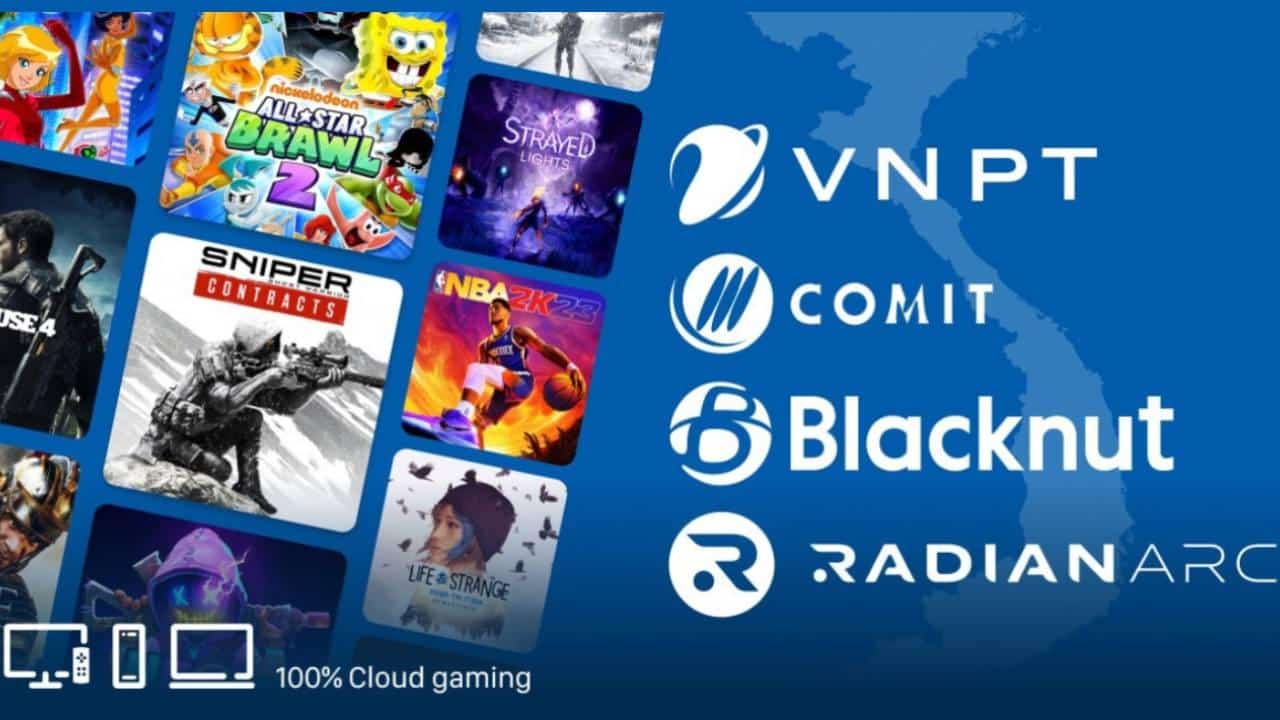
Blacknut’s Vietnam expansion through VNPT is a good example. The service uses Radian Arc GPU infrastructure, with COMIT involved as integration partner. VNPT users get access through bundled consumer data plans, which makes cloud gaming part of the connectivity offer rather than a separate app sitting off to the side.
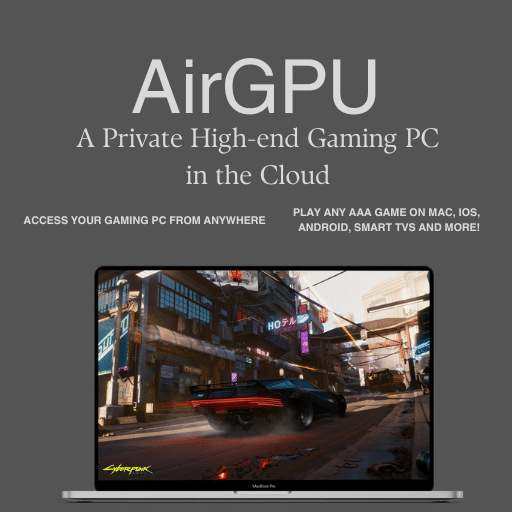
Radian Arc’s work with Lumin8 points in the same direction. Their partnership covers cloud gaming, Cloud PC services, and AI compute across Southeast Asia and Africa. The same local GPU footprint that supports gaming can also support other high-demand services. Cloud gaming gives that infrastructure an early consumer-facing purpose.
Bundled Game Access Gives Telcos A Better Route Into Homes
Cloud gaming growth doesn’t have to come only from direct signups. Telcos can place game access inside broadband, mobile, or TV packages, which gives cloud gaming another route into households. That becomes especially relevant in markets where payment habits, device ownership, or broadband packaging don’t match the standard direct-to-consumer model.
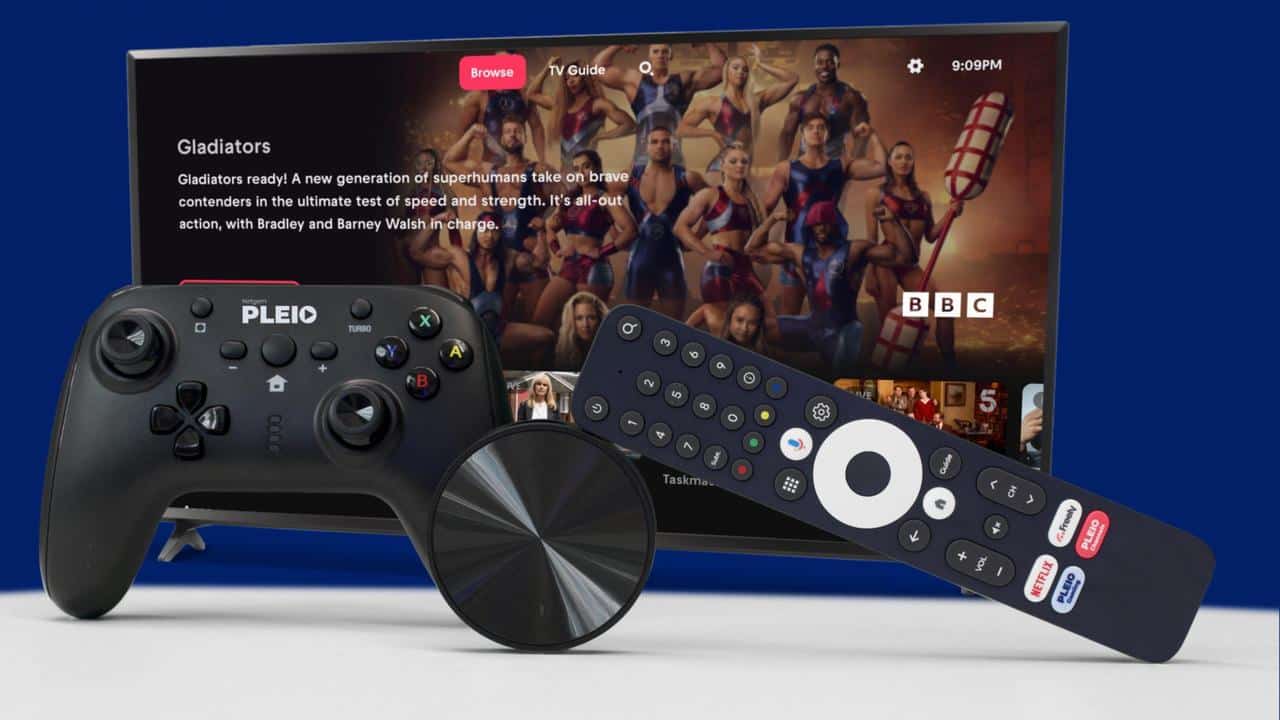
Netgem’s PLEIO strategy is one of the cleaner examples. Broadband providers and TV operators can license the service and place it inside their own packages. The operator doesn’t need to build a cloud gaming service from scratch. It can add game access to a fibre or TV offer through a partner that already handles the gaming side.
Netgem’s Broadcast Asia 2026 push follows the same path. PLEIO is being taken to Singapore with a pitch aimed at Asian telcos, using cloud gaming as part of a broader 5G and fibre service offer. The model is less about asking every household to subscribe to another standalone service and more about placing game access inside plans people already use.
Experience-Based Connectivity Moves The Conversation Beyond Speed
A regular internet plan usually sells speed in numbers. A cloud gaming plan can sell the end result. That might mean stability during peak hours, lower jitter, more local routing, or a package that includes a controller and a ready-to-use game library. The details depend on the provider, but the shift is easy to understand. The conversation moves from “how fast is the plan?” to “what does the plan let you do?”
David’s analysis mentions quality-on-demand, latency, and device status as network API examples. Those ideas shouldn’t be treated as a confirmed cloud gaming rollout by themselves. They work better as part of a broader telecom direction, where operators expose network capabilities in ways that apps and services can use.
Cloud gaming is a good test case for that thinking because network behaviour is easy to feel. If a provider can deliver responsive game access through local compute and controlled traffic handling, it has a more concrete story to tell about its network.
Regional Partnerships Make The Pattern Easier To See
Some of the most useful cloud gaming signals now come from regional partnerships, telecom bundles, and edge deployments. Those deals usually get less attention than major library updates, but they explain how cloud gaming reaches people outside a standalone app model.
Blacknut’s Iraq launch through Asiacell with Radian Arc and GCG.games showed how a mobile operator can connect cloud gaming to 4G and 5G network reach. POST Luxembourg adding PLEIO through its POP TV platform showed the same idea through a telecom TV environment. Blacknut’s SDK Gaming Hub work with TrueID in Thailand added another path, with cloud gaming integrated into an existing 5G and media service.
Each example works a little differently, but the pattern is similar. A telecom or media provider already has customer relationships, billing, broadband plans, mobile plans, set-top boxes, or TV distribution. A cloud gaming partner brings the gaming service. Local infrastructure helps keep the experience close to the market.
Cloud Gaming Works As Both Game Access And Network Strategy
Cloud gaming doesn’t become a telecom product instead of a gaming product. It works as both. For the consumer side, it means more ways to play across devices without tying access to a single box. For telcos, it means a service that can make fibre, 5G, edge compute, and bundled offers easier to explain.
That also keeps the broader cloud gaming argument in the right place. Cloud gaming isn’t here to replace consoles, PCs, or mobile gaming. It adds more ways to access games. Telecom partnerships strengthen that idea by placing game access inside broadband plans, TV platforms, mobile bundles, and regional service offers.
The useful part of Pavón Sánchez-Cabezudo’s argument is that it frames cloud gaming as part of the network business, not only the games business. Recent examples from Blacknut, Radian Arc, VNPT, Netgem, PLEIO, Lumin8, Asiacell, POST Luxembourg, and TrueID show that path already taking shape. The next phase of cloud gaming growth may not come from one giant consumer app. It may come from the providers already selling the connections that make game access possible.
As always, remember to follow us on our social media platforms (e.g., Threads, X (Twitter), Bluesky, YouTube, and Facebook) to stay up-to-date with the latest news. This website contains affiliate links. We may receive a commission when you click on these links and make a purchase, at no extra cost to you. We are an independent site, and the opinions expressed here are our own.