

Amazon quietly posted one of its most revealing updates yet about how GameLift Streams is evolving under the hood, and it says more about Amazon’s cloud gaming ambitions than the technical walkthrough might suggest. The new AWS for Games blog post explains how studios can run Unreal Engine 5.6 Windows builds inside GameLift Streams using Proton via the Linux Runtime option. It may read like developer documentation, but the bigger story is how Amazon is pushing Proton deeper into its cloud stack.
Back in March, we covered Amazon GameLift Streams when it was first revealed as a developer-focused streaming solution rather than a consumer platform like Luna. At the time, we questioned whether AWS would start offering more control to studios, especially after Stadia’s Immersive Stream for Games shutdown left publishers without an alternative. This new blog post effectively answers that. Amazon is now giving teams the blueprint required to package Windows games, embed Proton, and stream them from their own cloud environments.
That shift matters because it expands Amazon’s strategy beyond Luna and toward a platform model where publishers operate their own streaming layers. Instead of putting everything through a single consumer service like Luna, GameLift Streams shows how developers can deploy cloud-native builds directly on AWS. Something we speculated was coming when GameLift Streams was announced. This latest technical guide feels less like onboarding material and more like quiet confirmation of Amazon’s long-term direction.
Proton Is Quietly Becoming Cloud Gaming Infrastructure
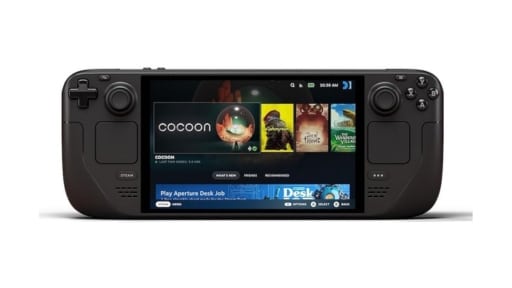
The most interesting thread in Amazon’s new guide is not the command lines or folder setup. It is the growing role of Proton. For years, Proton has been known mostly as the compatibility layer powering Steam Deck, letting Windows games run on Linux without a native port. Amazon’s walkthrough essentially extends that idea into cloud delivery. If your Windows build is not compatible with the managed runtime, Amazon is encouraging developers to bundle Proton themselves and deploy it as part of their application.
That is a subtle but meaningful shift. GameLift Streams is not just streaming games. It is normalizing Proton as the glue that makes multi-platform cloud execution work. Instead of forcing studios to rebuild for Linux or wait for a platform to update runtime support, Amazon is asking them to take control of compatibility and treat Proton as part of their packaging pipeline.
This reinforces what we wrote back in March, where GameLift Streams was positioned as a customizable backend rather than a consumer subscription. That picture is sharper now because Luna is growing on the consumer side while Streams gives developers the tooling behind it. The AWS blog answers the “how” behind that vision. The cloud is no longer abstract. Amazon is showing developers how to assemble their own runtime stack, tie in Proton, and stream a full Windows project through AWS.
That approach makes Proton less of a PC gaming tool and more of a layer in cloud infrastructure. It has ripple effects across how future services might be built.
Amazon Is Positioning Itself Beside Existing Platforms, Not Against Them
When we first covered GameLift Streams in March, we framed it as a different kind of cloud offering. Unlike Xbox Cloud Gaming or GeForce NOW, AWS was not pitching a consumer-facing service. This new blog post reinforces that divide. GameLift Streams is not trying to compete with game libraries or storefront access. It is designed to sit beneath those platforms as the infrastructure layer developers build on.
Xbox Cloud Gaming ties access to Game Pass. GeForce NOW sits between Steam, Epic, and PC ownership. Even PlayStation Cloud gaming is gated behind PS Plus. AWS is showing a model where none of those rules apply. If a publisher wants to stream its own catalog directly or build cloud demos into its website, GameLift Streams gives them a way to do it.
Why This Feels Different From Stadia’s Attempt
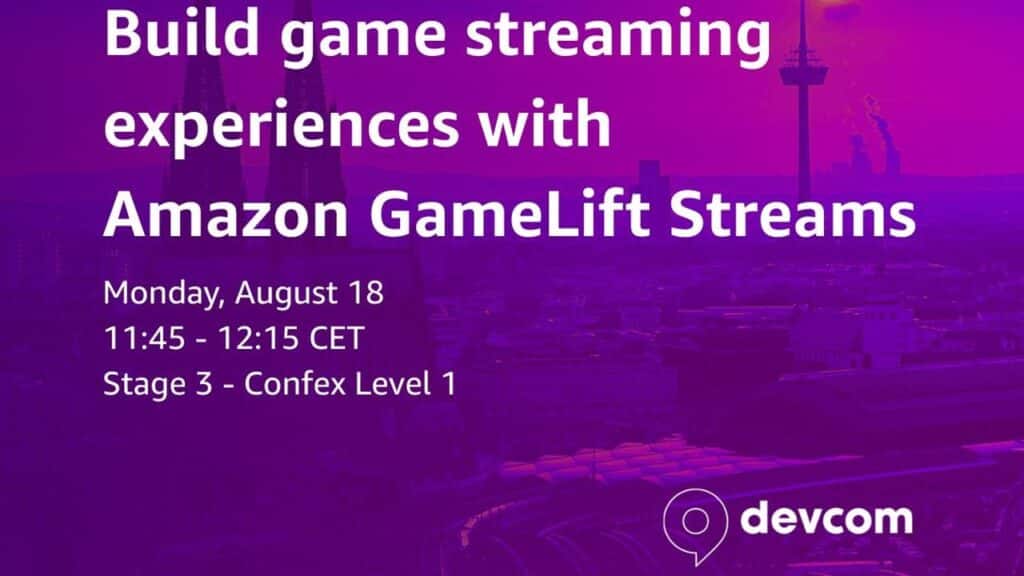
It is also where the comparison to Stadia’s old Immersive Stream product becomes relevant again. Google had the idea but never achieved traction. Amazon brings a different foundation because AWS is already where much of the industry hosts backend services. This new Proton workflow shows AWS moving closer to a full developer-controlled pipeline rather than a managed umbrella platform.
Amazon is quietly building the support system those companies might rely on over time, while also growing Luna as its own consumer showcase for that same technology. That puts it in a unique position if more publishers decide to take control of their own cloud streaming.
We are already seeing that idea play out with GAMELOOP’s upcoming Smart TV rollout. The channel uses GameLift Streams to deliver ad supported cloud play on Samsung TVs, giving publishers a route to audiences that bypasses traditional storefronts. It is one of the clearest examples so far that Amazon is not just pitching infrastructure. It is powering consumer experiences through partners who want custom streaming channels.
What This Means for Amazon Luna
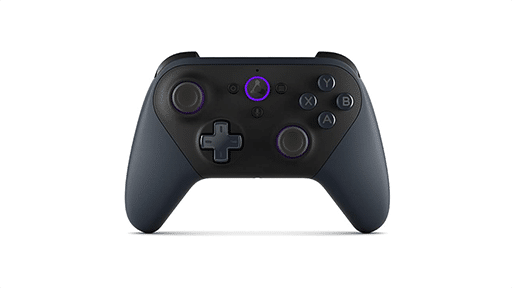
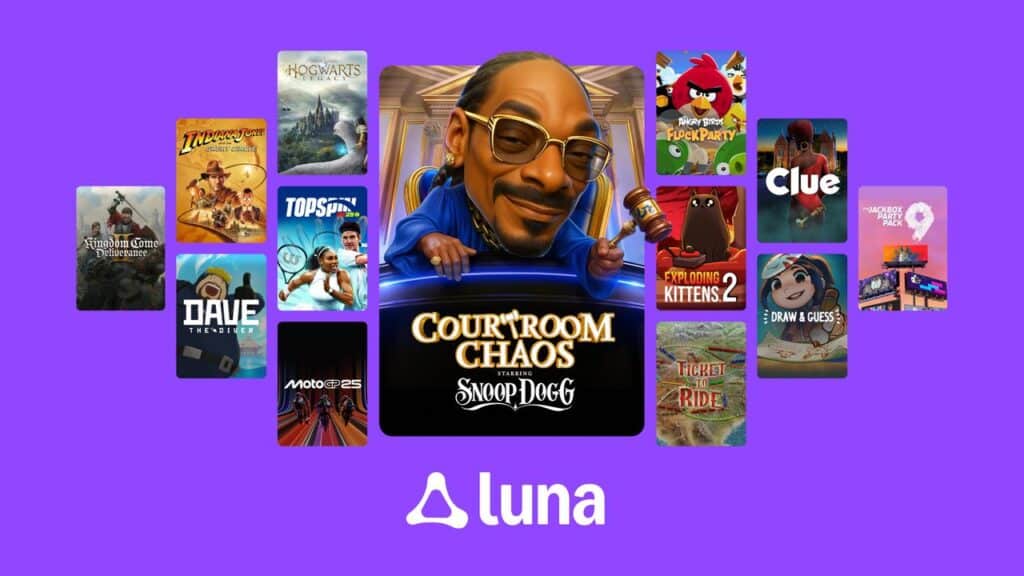
The timing of this AWS update matters because it arrives not long after Amazon relaunched Luna with its biggest overhaul yet. The redesigned service now gives Prime members instant access to cloud streaming, a deeper user experience, and the new GameNight category that turns phones into controllers for living-room play. Luna looks more active than ever, so this new developer-focused push does not replace it. Instead, it shows how Amazon is building two complementary paths for its cloud technology.
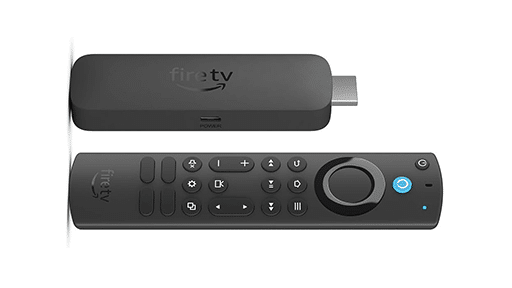
GameLift Streams is the infrastructure track. It teaches studios how to package compatibility layers, run Windows builds through Proton, and deploy their own services on top of AWS. Luna is the consumer track. It uses Amazon’s own tech to reach Prime customers, expand gaming through Fire TV and mobile devices, and introduce new categories like GameNight.
Rather than Luna being sidelined, this update suggests that Amazon sees both models as important. Luna is the public showcase for its cloud capabilities, while GameLift Streams is the toolkit for publishers who want their own delivery pipelines. GAMELOOP’s Smart TV channel reinforces that idea. Amazon is enabling third parties while growing Luna at the same time. One path brings cloud gaming to TVs through partners. The other brings it to Prime members directly. Both sit on AWS and both benefit from the tooling Amazon is publishing now.
This dual push raises new questions about how Luna might evolve if publishers adopt the Streams model, but it also reinforces that Amazon remains invested in Luna as a service that highlights what its underlying technology can do.
Where Amazon’s Cloud Story Goes Next
Amazon’s new GameLift Streams tutorial may look like documentation, but it functions as a quiet signal. Proton is now a key part of Amazon’s cloud streaming stack, developers are being invited to assemble their own streaming runtimes, and AWS is willing to walk studios through the details. It lines up closely with the direction we called out back in March. GameLift Streams continues to expand as a toolkit rather than a consumer service.
Where things get more interesting is how this sits next to the all-new Amazon Luna. Amazon is evolving Luna with a redesigned interface, living room play through GameNight, and an expanded approach for Prime members. At the same time, AWS is showing developers how to build their own delivery pipelines. Both paths coexist. Luna is the consumer showcase, and GameLift Streams is the infrastructure powering the idea behind it.
Where Developers May Push This Next
The bigger question is how far developers will take this model. Will publishers begin hosting their own streaming portals, or will GameLift Streams mainly support demos and small scale trials for now? If Unreal Engine workflows and Proton packaging become common, smaller teams may create their own cloud access points instead of waiting for major platforms to pick up their games.
We will keep watching this one. Amazon is laying down pieces quietly, but the picture forming around Luna and GameLift Streams is more deliberate than it first appeared. With Luna’s redesign on one side and GAMELOOP’s Smart TV launch on the other, Amazon is becoming one of the most interesting companies to watch in cloud gaming right now.
Do you think publishers will embrace this level of control, or will Amazon still need Luna to pull audiences together? Share your thoughts below.
As always, remember to follow us on our social media platforms (e.g., Threads, X (Twitter), Bluesky, YouTube, and Facebook) to stay up-to-date with the latest news. This website contains affiliate links. We may receive a commission when you click on these links and make a purchase, at no extra cost to you. We are an independent site, and the opinions expressed here are our own.