


Cloud gaming advertising is starting to answer one question. Where can an ad fit without interrupting the game? We have already seen pre-session advertising, ad-supported access, Smart TV discovery, and playable demos. The harder question now is whether advertisers can determine what those placements actually deliver.
Walder Amaya, CEO and co-founder of APEX Gaming Network, recently framed that challenge around attention rather than reach alone. Gaming research from dentsu gives that argument measurable context, although those results come from gaming advertising environments rather than cloud gaming specifically.
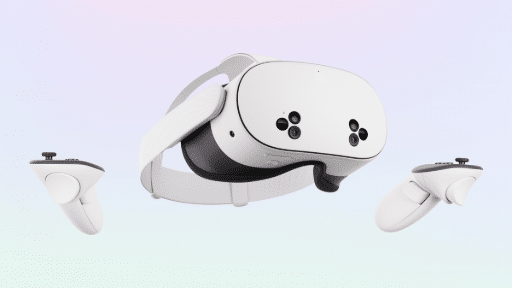
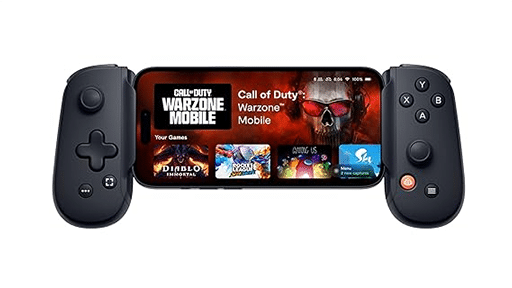
Cloud gaming complicates that comparison because its advertising experiences are already taking different forms. A pre-session sponsorship, a Smart TV discovery placement, a rewarded interaction, and a playable demo don’t involve the same behaviour. If those formats continue to expand, counting impressions alone may not tell advertisers enough about whether someone noticed the ad, engaged with it, or moved closer to playing a game.
Attention Is Becoming a Bigger Part of Gaming Advertising
Reach is easy to understand. An advertiser can count impressions, track how many people received a campaign, and compare the cost of reaching them. Attention focuses on a different question. Did someone actually notice what was placed in front of them?
That distinction is especially relevant in gaming because participation is active. Someone has chosen to launch a game, interact with what is happening on screen, and keep responding to it. Walder’s argument is that this focus creates an opportunity for brands, but only when the advertising respects the experience instead of interrupting it.
Dentsu’s 2024 Play Attention research offers a measurable comparison across several gaming ad formats. Using eye-tracking technology, the research examined Twitch livestreaming, Activision Blizzard rewarded video, and Anzu intrinsic in-game advertising. The results varied by format rather than producing one universal number for gaming advertising.
Rewarded video averaged 10,043 attentive seconds per 1,000 impressions, compared with 6,100 for online video. Intrinsic in-game advertising averaged 3,442 attentive seconds per 1,000 impressions, compared with 1,416 for online display. Dentsu also recorded 99 percent on-screen visibility for intrinsic in-game ads against an 87 percent benchmark.
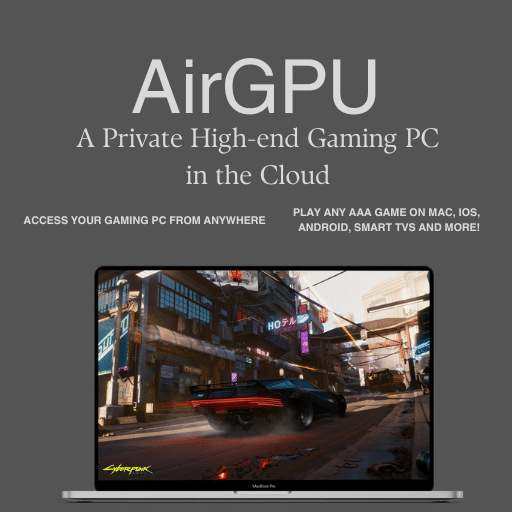
Those figures are useful because they show that the format and environment can change what an impression represents. They aren’t evidence that cloud gaming advertising reaches the same attention levels. None of the environments in that research was a cloud gaming service.
Gaming Advertising Still Has a Measurement Problem
Measuring attention doesn’t solve the wider problem by itself. Gaming advertising spans different devices, formats, publishers, platforms, and technical environments. Even when two campaigns use similar language around engagement, they may not be measuring the same behaviour.
The IAB Gaming Measurement Framework, introduced in June 2025, was created to bring more consistency to that process. It organizes gaming advertising across display, video, audio, and custom formats, then separates baseline metrics from additional measurements that may depend on the environment or setup.
That distinction creates a clearer starting point for advertisers. A baseline metric is something they should reasonably expect to receive across a specific format. Additional measurements can add more detail, but they may not be available everywhere.
IAB identified fragmented reporting and limited transparency as barriers for advertisers trying to compare campaigns or decide where gaming belongs in a wider media plan. If one platform reports an impression, another emphasizes engagement, and another focuses on a deeper interaction, a single campaign total can hide more than it explains.
Attention adds another layer to that problem. It can tell advertisers more than whether an ad technically appeared, but only if everyone understands how that attention was measured and what the number represents.
Cloud Gaming Ads Raise Different Measurement Questions
Cloud gaming brings this problem into sharper focus because the ad can sit at very different points in the experience.
A pre-session sponsorship on a cloud gaming service happens before gameplay starts. The advertiser may care about completion, visibility, or whether someone continues into the game afterward. That’s different from a rewarded format where someone actively chooses an advertising interaction in exchange for something within the experience.
Smart TV cloud gaming creates another set of questions. PHYND combines subscription-free access with advertising and sponsored opportunities, while GAMELOOP connects television-style discovery with cloud gameplay. In those environments, an advertiser may care about whether someone watched, interacted, selected a game, or moved from discovery into play.
Playable advertising goes further. Amazon GameLift Streams has been used for Instant Play Demos on Twitch, where someone can move from an ad into a streamed game demo without a download. AWS has reported that 20 to 40 percent of people who completed those demos then visited the game’s Steam page. That’s a company-reported result, but it illustrates how cloud streaming can create a measurement point beyond an impression.
None of these examples should automatically share the same definition of success. A pre-session video can be completed without creating interest in a game. A Smart TV placement can support discovery without producing an immediate store visit. A playable demo can generate a deeper action, but it also asks for more time from the person seeing it.
As cloud gaming advertising expands, measurement needs to follow the behaviour each format is trying to create.
Better Measurement Cannot Come at the Gamer’s Expense
More data doesn’t automatically mean better advertising. Walder’s broader point is that brands should start with the gaming experience and find a natural role for advertising instead of treating every available moment as inventory.
That fits the direction cloud gaming has taken so far. GeForce NOW and the current XBOX test keep advertising before gameplay. GAMELOOP uses opt-in and break-aligned formats. Other models connect advertising to discovery, free access, or an opportunity to play.
Those approaches can produce useful measurement without turning every moment into inventory. Depending on the platform and setup, advertisers may be able to measure whether someone watched, interacted, started a game, completed a demo, or moved to another destination. Those signals are more useful when they describe a real action rather than simply counting another exposure.
There is also a risk in chasing attention too aggressively. If a format becomes more intrusive simply because it is easier to measure, the metric starts working against the experience that created the attention in the first place.
Cloud gaming advertising has already moved beyond the question of whether ads can exist around streamed games. Access, discovery, sponsorships, and playable experiences are already taking shape. The next challenge is proving what those formats deliver, using measurements that fit the interaction without creating another barrier between someone and the game.
As always, remember to follow us on our social media platforms (e.g., Threads, X (Twitter), Bluesky, YouTube, and Facebook) to stay up-to-date with the latest news. This website contains affiliate links. We may receive a commission when you click on these links and make a purchase, at no extra cost to you. We are an independent site, and the opinions expressed here are our own.