


VPNs and cloud gaming get talked about together a lot, but usually in half-truths. You’ll see people claim VPNs ruin latency, break services, or are only used to hide where you live. At the same time, plenty of cloud gamers quietly rely on VPNs when they travel or play on public Wi-Fi.
If you’ve already read our guide on VPNs for Cloud Gaming While Traveling, you’ve seen how VPNs can help with access and security on the road. This article goes a step further. Let’s clear up some of the most common cloud gaming VPN myths and look at what actually holds up in real use. Cloud Dosage may earn a small commission if you sign up through affiliate links in this article, at no extra cost to you.
Myth #1: VPNs Always Slow Down Cloud Gaming
This is the big one. The idea that turning on a VPN instantly kills performance gets repeated constantly. The reality is more nuanced. A VPN does add an extra hop between you and the cloud server, but with modern protocols and nearby servers, that impact is often minimal. When you connect to a server close to your physical location, the added latency can be small enough that you won’t notice it during normal play.
In practice, cloud gaming performance still depends far more on your base connection quality than whether a VPN is active. A stable Wi-Fi or wired connection matters more than shaving a few milliseconds off routing. VPNs are not a performance boost, but they also aren’t the automatic deal-breaker they’re often made out to be.
Myth #2: You Don’t Need a VPN for Gaming
If you only ever play at home on a trusted network, this one can feel true. But cloud gaming is built around portability. You’re playing on laptops, tablets, phones, hotel TVs, and café Wi-Fi more than ever.
That’s where VPNs start to matter. Public networks are unpredictable and often unsecured. Logging into your cloud gaming accounts on hotel or airport Wi-Fi exposes your data in ways most people don’t think about. A VPN adds a layer of protection that keeps your activity private and your accounts safer.
There’s also a reliability angle that gets overlooked. Shared networks can behave very differently from your home setup, sometimes blocking or limiting traffic without warning. A VPN can help smooth out those differences by keeping your connection consistent, which matters when you’re trying to jump into a cloud game quickly without troubleshooting.
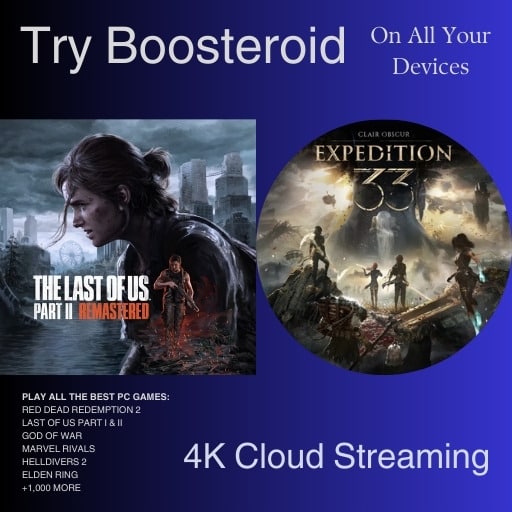
There’s also the travel factor. Cloud gaming services like Xbox Cloud Gaming, GeForce NOW, Boosteroid, Blacknut, PlayStation Cloud Gaming, and Amazon Luna are available in many countries, but their reach is still limited. When you travel, access can change or disappear entirely. A VPN can help maintain continuity so you’re not locked out the moment you cross a border.
Myth #3: VPNs Are Unsafe or Illegal
This one tends to come from confusion more than anything else. Using a VPN is legal in most countries, including Canada, the United States, and much of Europe. Millions of people use VPNs every day for work, privacy, travel, and security. The key difference is the provider you choose and how you use it.
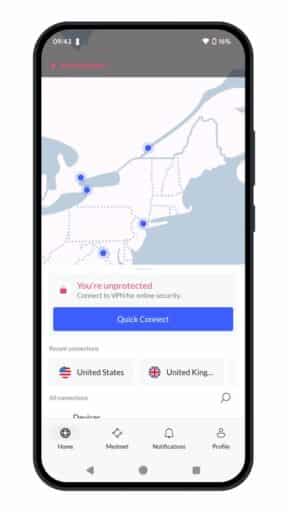
Reputable VPNs, like NordVPN, use strong encryption, clear privacy policies, and no-log practices. They’re not shady tools by default. Like any online service, misuse is possible, but using a VPN to protect your data or access your cloud gaming library while traveling is a normal, legitimate use case.
Myth #4: VPNs Are Only About Hiding Your Location
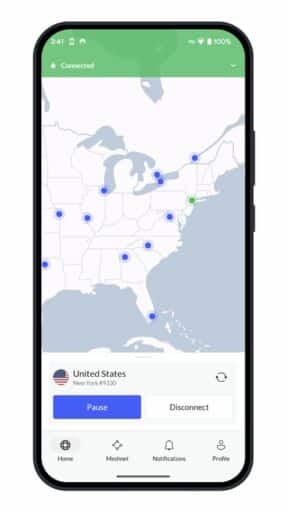
Location masking is part of what VPNs do, but it’s far from the whole picture. For cloud gamers, VPNs are often about consistency and protection. They help shield your traffic on public networks, reduce exposure to account hijacking, and keep your connection stable when moving between locations. For anyone using cloud gaming on mobile or portable devices, that extra layer can make a real difference.
There’s also a practical side that doesn’t get talked about enough. Different networks handle traffic in different ways, especially on shared or managed Wi-Fi. Hotels, campuses, and cafés sometimes throttle or restrict certain types of connections without warning. A VPN can smooth out those inconsistencies by routing your traffic more predictably, which helps your cloud gaming setup behave the same way from place to place.
VPNs also help avoid unexpected blocks or connection issues that can pop up when networks restrict certain traffic types. Again, it’s not about gaining an advantage. It’s about keeping your setup working the way you expect it to.
What to Know Before Using a VPN for Cloud Gaming
Cloud gaming and VPNs don’t clash the way internet myths suggest. Used properly, a VPN won’t ruin your experience, and in many situations, it can make cloud gaming smoother and safer. The key is understanding what VPNs actually do and using them for the right reasons.

If you travel, play on public Wi-Fi, or rely on cloud gaming across multiple devices, a VPN becomes less of a luxury and more of a practical tool. Services like NordVPN are built with speed, security, and global coverage in mind, which makes them a solid fit for cloud gaming on the go.
As always, remember to follow us on our social media platforms (e.g., Threads, X (Twitter), Bluesky, YouTube, and Facebook) to stay up-to-date with the latest news. This website contains affiliate links. We may receive a commission when you click on these links and make a purchase, at no extra cost to you. We are an independent site, and the opinions expressed here are our own.