

Cloud gaming is stepping into the living room. Netflix and Amazon both want the TV to become the easiest way to jump into a game. This shift is already showing up on supported smart TVs.
Netflix has started testing cloud games, via Netflix Cloud Gaming, directly inside its app on TV and PC. Amazon has recently relaunched Amazon Luna with a new GameNight section focused on party games and AI experiments. It feels a bit wild seeing these streaming giants try to turn passive binge time into active gaming time. Honestly, I never thought I would use Netflix the same way I used my Nintendo Wii.
The timing is perfect. Holiday gatherings mean more people in one room willing to try something fun together. Analysts from Omdia and Naavik say this is the real test. And Omdia believes Amazon has a visibility advantage through places people already use, like Prime Video, which could help more families stumble into Luna while browsing holiday entertainment. If cloud gaming can win over holiday living rooms, long-term adoption gets a much better chance.
We will see if that happens. Because winning attention here is hard. Gaming has to beat Netflix’s own TV shows. That is quite the boss fight.
So let’s look at who has the advantage right now. Netflix or Amazon. Which cloud gaming strategy feels stronger as we head into the holiday season.
Who Gets Into More Homes Faster
Netflix vs Amazon cloud gaming adoption starts with a simple question. How easy is it to start playing. Netflix has the edge here. More than 300 million subscriptions. And Netflix is already the default app on many smart TVs. People open Netflix without thinking. That gives its cloud games a huge discovery advantage.
Amazon has a big audience too with around 200 million Prime members. But Amazon cloud gaming requires users to find Luna first. Then find GameNight inside Luna. That extra step adds friction for casual interest. If you have to explain how to get to the games, a lot of people will not make the trip.
TV support matters too. Both Netflix and Luna are currently available on a limited set of newer smart TVs. And most households only replace a TV every seven to nine years, according to Omdia. That slows rollout unless more partnerships show up.
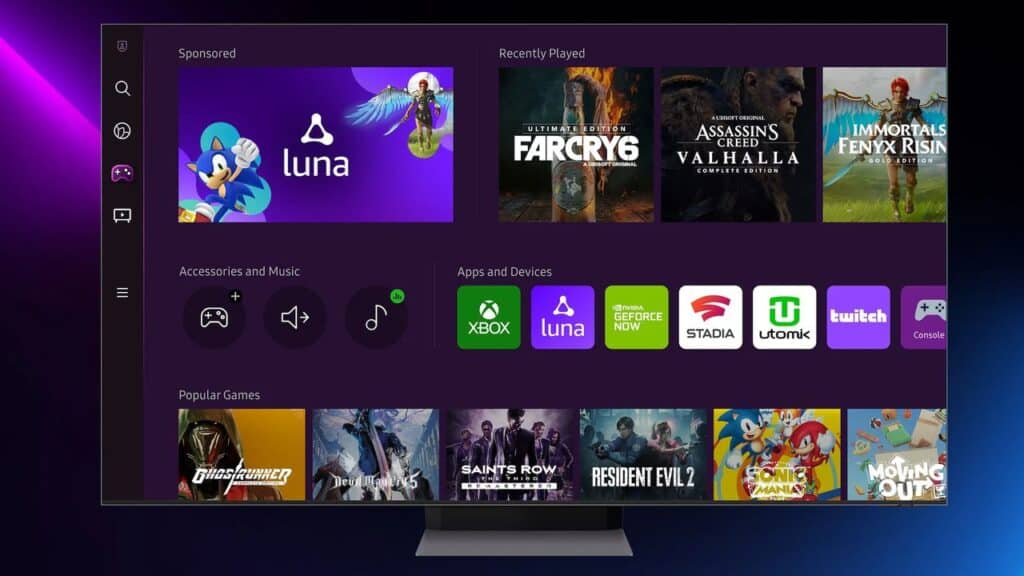
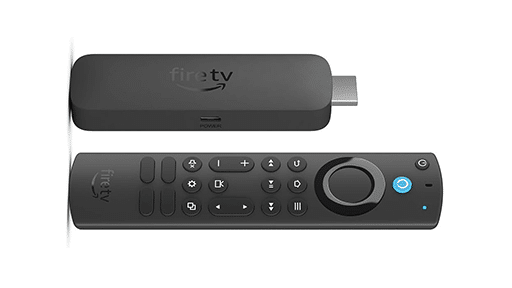
Amazon does have one quiet advantage here. Fire TV devices already put Luna just a few clicks away for millions of users. If Amazon pushes GameNight more prominently inside that interface, it could help close the reach gap.
Still, Netflix feels better positioned in the short term. If the app is already open and everyone is sitting together, trying a game becomes a quick “why not” moment. Amazon has to work harder to get that same moment.
How You Control the Action Matters
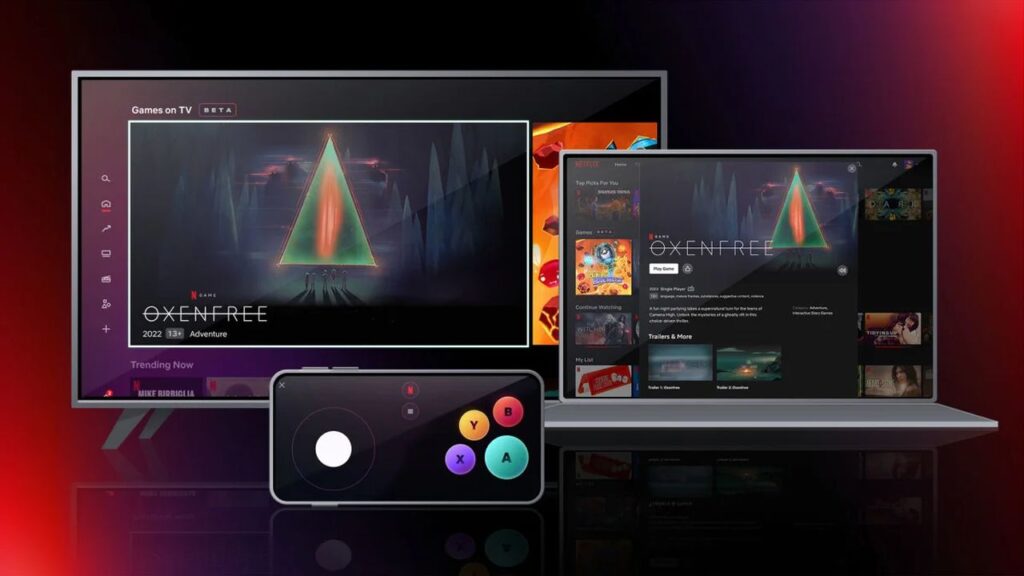
Controllers make a big difference in Netflix vs Amazon cloud gaming. It shapes how quickly you can start and how comfortable the game feels.
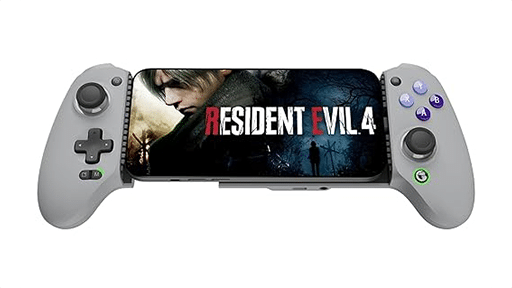
Amazon’s GameNight titles rely completely on phones. You scan a QR code and your phone becomes a controller right in the browser. No downloads. No setup pain. That is perfect when you have a room full of people and you want the game to start now.
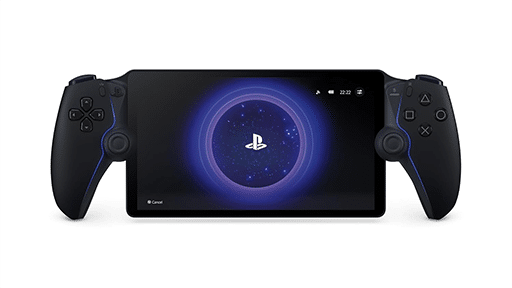
But this applies only to GameNight. For Luna’s non-GameNight games, you can use standard controllers. Xbox, PlayStation, generic Bluetooth gamepads, and Amazon’s own Luna Controller all work. So Amazon gives you options depending on the experience.
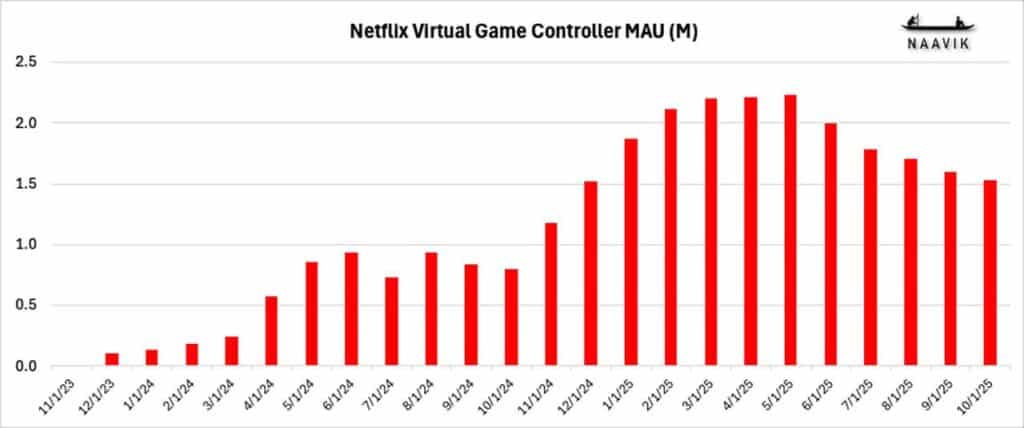
Netflix does not. All Netflix cloud games on TV require the dedicated Netflix Game Controller app. No support for traditional controllers. And Naavik’s look at Sensor Tower data shows many users running into connection issues and setup problems.
I have already had one of those moments where everything looked ready and then the app wanted a new permission. The mood in the room drops fast when the tech slows down fun. Right now, Amazon wins on flexibility. Netflix is betting that everyone is fine using phones forever. But if the experience does not feel smooth and instant, a lot of families will just go back to watching a show.
The Games Need to Keep People Playing
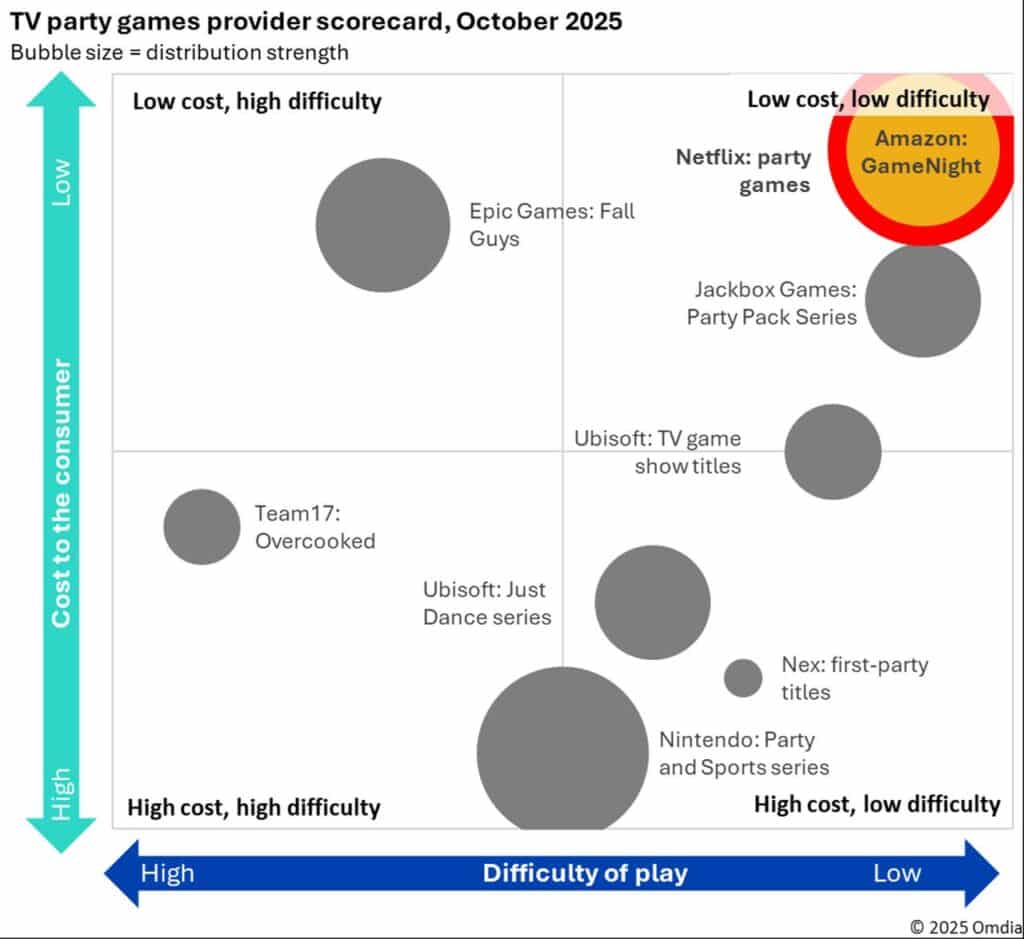
Netflix and Amazon are both betting on party games for their first big push into cloud gaming on TVs. Quick matches. Simple controls. Everyone in the room can join. That is the idea. But what they are building inside that idea is very different.
Netflix is starting with a small lineup of party games. Netflix has announced five more party titles coming soon including LEGO Party, Pictionary Game Night, Tetris Time Warp, Boggle Party, and Party Crashers, but none are available yet. They are meant to be light, social experiences that sit next to shows in the main Netflix app. The goal feels simple. If you can convince someone to try one round after browsing for something to watch, you already won a tiny battle. Netflix is hoping these small wins build a habit.
Amazon is going bigger right away. GameNight launched with games like Exploding Kittens, while spotlighting Courtroom Chaos: Starring Snoop Dogg. It uses voice recognition and generative AI to let you role-play in cases that change every time. It sounds wild enough that people might try it just to see what happens.
The challenge is that party games are not played very often. They work when a group of friends or family gather in one place. But once the holidays are over, those moments drop fast. Naavik notes that party games are fun bursts rather than weekly routines. And if the content does not expand quickly, interest may fade before the next gathering.
That is where both companies face the same test. They need a game that can bring people back. Something that feels good enough to start a “let’s play one more” loop. If neither service builds that hit, the TV will go right back to being used for streaming shows again.
Netflix’s early TV lineup also leans more toward single-player and story-driven games like Oxenfree, Cozy Grove, and Reigns. Good games, but not the kind you fire up in a loud living room. Luna GameNight, on the other hand, is almost entirely built around local multiplayer and party-style chaos, including big names like Clue, Fibbage, and The Jackbox Party Pack. Amazon looks more committed to making cloud gaming a shared group activity on the TV, at least for now. And right now, the difference is clear. As of writing this article, Luna offers 17 TV party games built for group play today. Netflix has just two available right now, with five more party games announced but not yet released.
Which Service Has the Edge This Holiday Season
So who is better positioned to win living rooms when the holidays roll around. Netflix or Amazon. Each service has a different edge, and the real deciding factor will be what people actually care about when they gather to play.
Netflix wins on reach. When most people turn on their TVs, Netflix is right there waiting. No hunting for another app. No extra sign-in. If even a small percentage of Netflix users tap that new Games tab, the audience could dwarf anything Luna sees this winter.
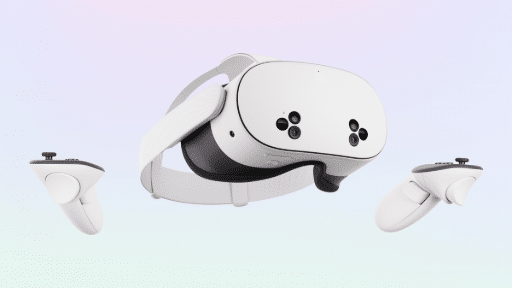
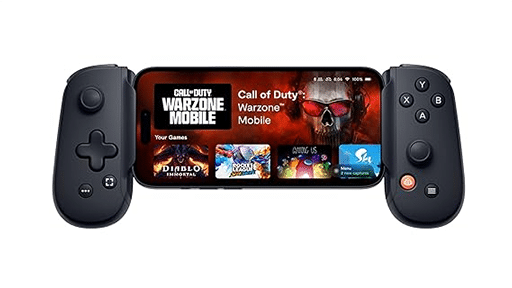
Amazon wins on flexibility and novelty. GameNight is easy to launch and the AI twist in Courtroom Chaos feels like something friends will try just to laugh at the results. I could see that turning into a fun moment between movies or after dinner.
But this battle does not come down to features on a spec sheet. It comes down to attention. Parties are rare. Coordinating a group to play anything is even rarer. And the competition is fierce inside the same platform. It is not Xbox vs PlayStation. It is gaming vs The Witcher or Fallout or Reacher.
Right now, the advantage depends on what you care about. Netflix wins on pure visibility. Most TVs already open with Netflix, so discovery is effortless. Amazon wins on the actual party experience. GameNight feels built for a living room full of people, especially with wild picks like Courtroom Chaos starring Snoop Dogg. One is easier to find. The other is more fun once you get there.
The real winner might be whichever service convinces families to come back for a second round after the holidays end. Because one-time holiday fun does not build a cloud gaming habit. Keeping the TV as a gaming screen into January is the real challenge.
What Comes Next for Cloud Gaming on TVs
Cloud gaming has finally made it onto the biggest screen in the house. That feels like a milestone. But we are still in the early days. Netflix and Amazon will learn a lot from how GameNight and Netflix’s TV games perform over the next few months.
If the experience is smooth and the games hit the right mood, cloud gaming could become a natural part of family nights. If the phone apps fail or the fun wears off in a single weekend, the TV goes right back to being a streaming box.
Netflix and Amazon both need that repeat moment. The one where someone says, “Hey, let’s play that again.” That sounds simple. It is not. But if either service finds a game that becomes a go-to pick during movie nights, everything changes.
I still love the idea of cloud gaming becoming something you just do in the living room without thinking too much about it. That is what makes this moment so interesting. We will get some answers pretty soon.
If you want cloud gaming that actually works for a group this holiday, Amazon Luna GameNight wins. Netflix could catch up later, but right now Luna is the service that feels like it was built for a living room full of laughter instead of silent scrolling.
More Cloud Gaming on Smart TVs
- Blacknut Now Pre-Installed on 100 Million+ Smart TVs Worldwide
- LG and Blacknut: Cloud Gaming Smart TV Integration Geets Deeper
- Blacknut Companion App Update Adds Multiplayer Support on Smart TVs
- PHȲND and Samsung Partner to Bring Free Cloud Gaming to Smart TVs
- Blacknut Expands Cloud Gaming Offers for LG Streaming Week 2025
- Adweek NY 2025 Puts Gaming Center Stage as PHȲND Backs an Ad-Supported Cloud Gaming Future
- Xbox App Arrives on Select LG Smart TVs
As always, remember to follow us on our social media platforms (e.g., Threads, X (Twitter), Bluesky, YouTube, and Facebook) to stay up-to-date with the latest news. This website contains affiliate links. We may receive a commission when you click on these links and make a purchase, at no extra cost to you. We are an independent site, and the opinions expressed here are our own.