

Cloud gaming no longer needs to prove that it works. Streaming games at a playable quality across multiple devices is now a solved problem for most major services. What matters more is whether cloud gaming shows up in places you already use, in ways that feel natural instead of demanding effort.
That shift comes through clearly in a recent interview with Olivier Avaro, CEO of Blacknut, where he walks through how the company has approached cloud gaming since its launch in 2016. The conversation stays focused on access, distribution, and fitting into everyday routines rather than performance targets or enthusiast hardware.
The interview lines up closely with a broader reality that’s becoming harder to ignore. Cloud gaming’s next phase is being shaped less by specs and more by where the service lives.
Distribution Has Become the Real Limiting Factor
One of the clearest points in the interview is Avaro’s view that discoverability is now the biggest obstacle for cloud gaming. If a service requires you to actively search for it, install it, and learn how it fits into your setup, adoption stays limited.
That idea runs counter to how cloud gaming has often been marketed. For years, the focus was on performance comparisons and technical milestones. Those things still matter, but they no longer decide whether a service becomes part of someone’s routine.
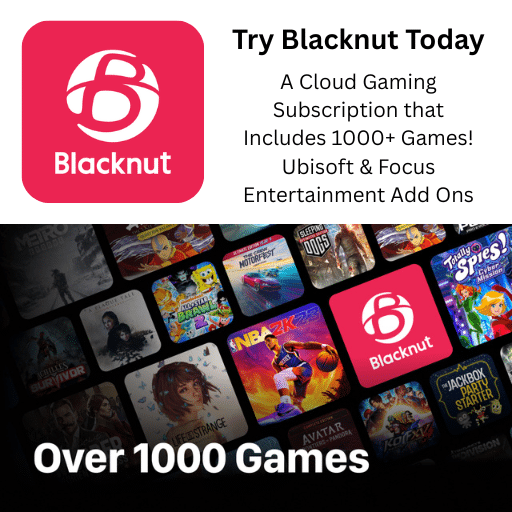
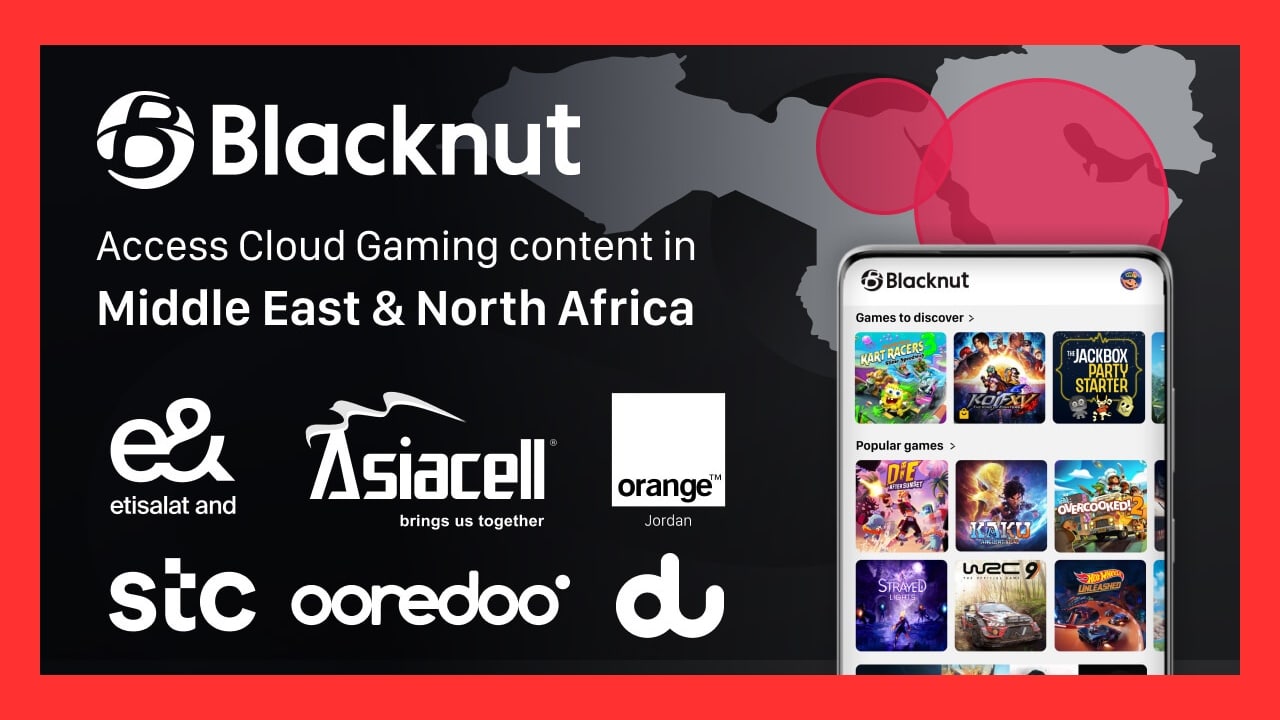
Blacknut’s hybrid approach reflects that reality. A direct-to-consumer app helps the service understand how people actually play, but partnerships with ISPs, Smart TV manufacturers, telcos, and OTT platforms solve a different problem. They put cloud gaming in front of households that were never going to seek it out on their own.
For you as a player, that distinction matters. A service that’s already present on your TV or bundled with something you use every day has a much better chance of becoming part of how you play, even if you weren’t actively looking for another platform.
TV-First Design Reflects How Households Use Screens
Avaro’s emphasis on Smart TVs is not positioned as a future bet. It’s presented as an acknowledgement of how households already work.
The TV remains the most shared screen in the home. Historically, gaming asked you to add hardware to that setup. Blacknut’s TV-first design flips that relationship. Instead of building around a console or PC and branching outward, the service starts with the TV and builds everything else around simplicity and instant access.
That design choice has ripple effects. Controller flexibility matters more than specialized inputs. Menus need to be readable from a couch. Session setup has to be fast enough that starting a game feels closer to launching a streaming app than committing to a hobby night.
This reinforces a pattern that keeps showing up across the cloud gaming space. Cloud gaming grows fastest when it adapts to existing habits instead of asking you to change them.
Hybrid Monetization Matches How People Actually Try Cloud Gaming
Another section of the interview that stands out is Blacknut’s layered monetization approach. Instead of relying on a single subscription tier, the service combines a core catalogue, optional publisher Passes, and an ad-supported free option through ZAP!.
The logic behind that structure is straightforward. Price is still a barrier, especially in regions where monthly subscriptions compete with more essential costs. A free, ad-supported option lowers the entry point without pretending that every player wants or needs full access right away.
What matters is how that free tier is positioned. In the interview, Avaro describes it as a funnel rather than a replacement. You can try cloud gaming with minimal commitment, then opt into deeper access once you know it fits your habits.
This mirrors what’s happening across digital services more broadly. Fewer platforms are betting everything on one price point. More are giving you multiple ways in, depending on how and how often you want to engage.

Infrastructure Choices Are Business Decisions, Not Talking Points
When Avaro talks about Blacknut’s public-private cloud setup, the explanation avoids technical grandstanding. The focus is on flexibility and efficiency rather than chasing uniform performance targets everywhere.
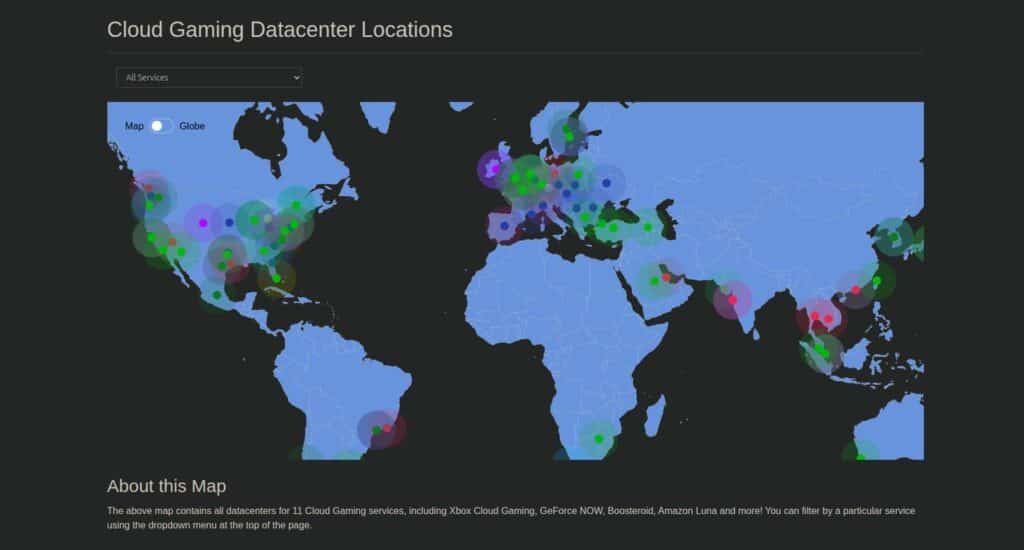
Operating in more than 65 countries means local realities matter. Network conditions, costs, and expectations vary widely by region. A multi-cloud approach allows the service to adapt infrastructure to those conditions instead of forcing the same setup everywhere.
The point here isn’t which cloud provider comes out ahead. It’s about why regional optimization and local partnerships play such a large role in whether cloud gaming feels reliable where you live. This also highlights a quieter truth about cloud gaming at scale. Sustainability often comes from restraint. Knowing when to invest in private infrastructure and when to rely on public cloud resources can matter as much as raw technical capability.
Cloud Gaming as a Distribution Layer for Publishers
Another theme running through the interview is how Blacknut positions itself with publishers. The pitch is not about exclusivity or replacing existing platforms. It’s about reaching players who don’t own consoles or gaming PCs and may never have bought those games otherwise.
That approach treats cloud gaming as a distribution layer rather than a walled ecosystem. For publishers, it offers extended catalogue life and access to households that sit outside traditional hardware ownership. For players, it means more games appearing on screens they already have.
This approach avoids direct competition with publishers’ core businesses, which has long been a source of tension in the cloud space. Instead, it presents cloud access as additive. Over time, that distinction could matter. Services that support existing ecosystems rather than trying to absorb them may find it easier to maintain long-term partnerships.
The Shape of Cloud Gaming’s Next Stage Is Already Visible
The interview doesn’t present cloud gaming as a future breakthrough waiting to happen. It treats the technology as established and shifts attention to scale, sustainability, and everyday use.
That aligns with what’s been happening across the cloud gaming industry. Growth is becoming less visible and more incremental. Cloud gaming is appearing inside TVs, bundled services, and regional partnerships rather than launching as headline-grabbing platforms.
This suggests a different way of thinking about success in cloud gaming. The services that last may not be the ones you talk about most. They’ll be the ones that are already there when you turn on a screen, offering a low-effort way to play without asking you to think too hard about where the game is running.
Cloud gaming no longer needs to draw attention to itself to succeed. Its next phase is about being present, dependable, and easy to reach. The Blacknut interview doesn’t claim that vision outright, but it describes a strategy that fits that future almost exactly.
As always, remember to follow us on our social media platforms (e.g., Threads, X (Twitter), Bluesky, YouTube, and Facebook) to stay up-to-date with the latest news. This website contains affiliate links. We may receive a commission when you click on these links and make a purchase, at no extra cost to you. We are an independent site, and the opinions expressed here are our own.