


At Cloud Dosage, we’ve been following these shifts closely. Boosteroid just introduced its new Ultra Pro plan, adding community-driven features on top of 4K and 120 FPS performance. Xbox Cloud Gaming crossed 500 million hours streamed and expanded to more Game Pass tiers, showing how deeply cloud is tied into its ecosystem. GeForce NOW is rolling out its RTX 5080 upgrade, pushing performance even further for high-end gamers. Amazon Luna added GOG support, expanding its library with DRM-free classics. Timed cloud demos are also making a comeback, putting instant access back in the spotlight.
Looking at these developments, several themes stand out. AI-driven infrastructure, true cross-platform play, and new revenue models are shaping how the technology is delivered. Meanwhile, experiments with AR, VR, and blockchain continue to push into new territory, even if adoption is still limited. And through it all, one trend remains clear: gamers expect instant access.
In this article, we break down the biggest trends driving cloud gaming in 2025, explain what they mean for gamers and developers, and explore how instant access is shaping the future of discovery and distribution.
Smarter Infrastructure with AI and Edge
Behind every smooth cloud gaming session is an enormous amount of infrastructure. Servers have to scale up and down on demand, connections need to stay stable, and latency has to be kept in check. In 2025, artificial intelligence and edge computing are starting to make a real difference in how that happens.
AI and machine learning are being used to predict usage spikes, manage server loads, and even optimize video encoding on the fly. This means fewer disruptions when a new game suddenly takes off or when millions log in at once. On the player side, the result is a session that feels less like streaming a video and more like playing locally.
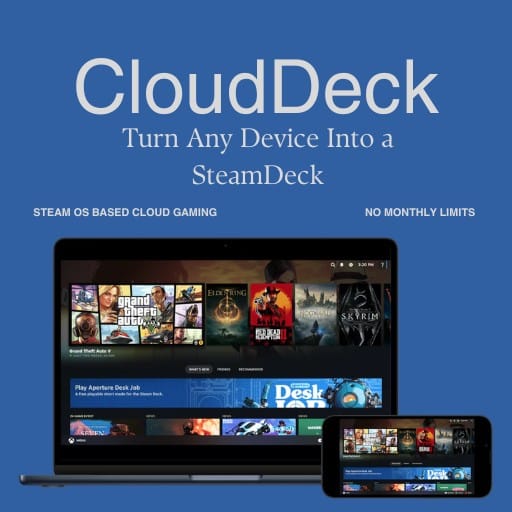
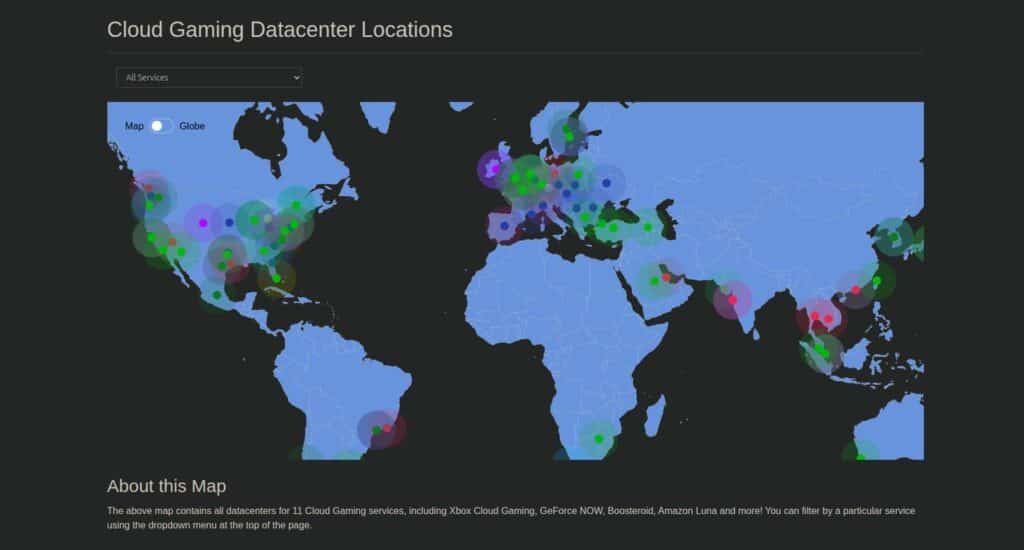
Edge computing is just as important. By bringing servers closer to where people actually play, services can cut milliseconds off response times. That might not sound like much, but anyone who’s tried a fast-paced shooter in the cloud knows those milliseconds matter. We’ve already seen Boosteroid and Xbox expand their edge networks, and it’s likely more providers will follow. For gamers, this shift means lower lag and more reliable sessions no matter where you’re playing.
Curious where these datacenters actually are? Check out our Cloud Gaming Datacenter Map
to see locations for Xbox Cloud Gaming, GeForce NOW, Boosteroid, and more
True Cross-Platform Play
One of the biggest shifts in gaming over the past few years has been the move toward true cross-platform play. Gamers expect to pick up where they left off, whether that’s on a console, PC, phone, or even a smart TV. Cloud gaming is making that expectation more realistic than ever.
Instead of being locked to one device, your progress and access carry over almost anywhere. Xbox Cloud Gaming has been building this directly into Game Pass, making its catalog accessible on consoles, PCs, and mobile devices. GeForce NOW continues to stand out for its flexibility, streaming the games you already own on services like Steam and Epic Games Store to nearly any screen. Amazon Luna’s addition of GOG support is another example, bringing DRM-free classics to a wider audience without extra hardware.
The result is a gaming experience that’s less about where you play and more about what you want to play. For developers, this kind of compatibility opens the door to broader audiences. For gamers, it’s simply convenient — you don’t have to think about platforms or installs, just log in and play.
Revenue Models Are Changing
Subscriptions have been the backbone of cloud gaming since the beginning. Xbox Game Pass, GeForce NOW, and Amazon Luna all rely heavily on monthly fees to deliver access to large libraries. That model isn’t going anywhere, but 2025 is showing signs of more variety.
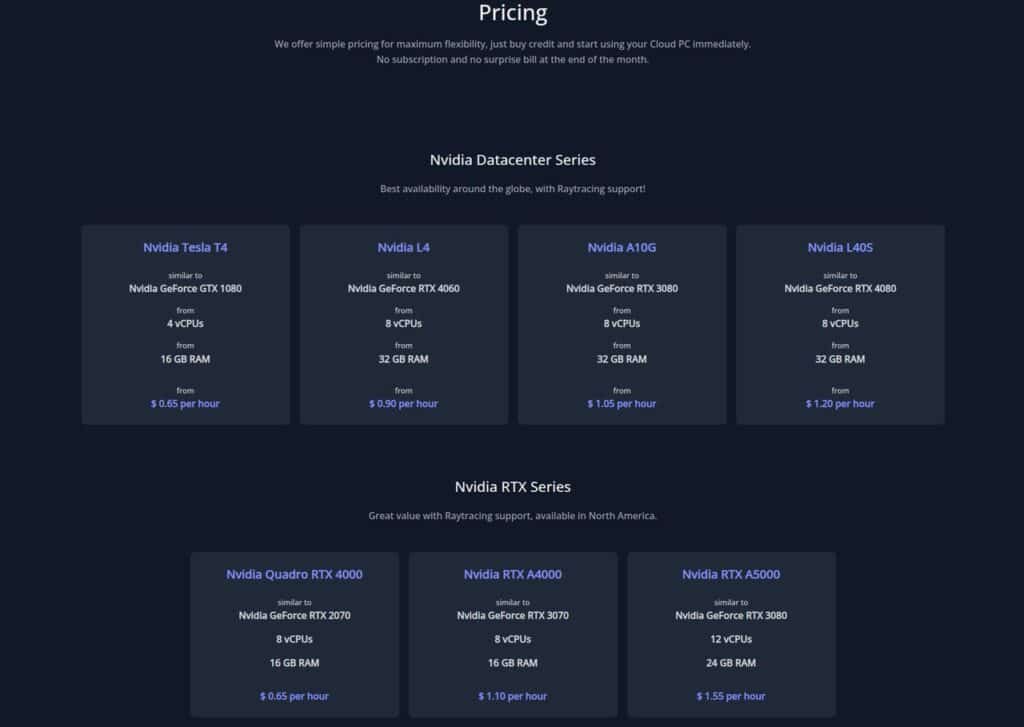
Pay-as-you-go options are starting to surface as a real alternative. Services like AirGPU charge strictly by the hour, letting gamers pay only for the time they actually play. Boosteroid and GeForce NOW have also tested flexible pricing tiers, showing that interest in alternatives to flat subscriptions is growing. Xsolla’s new Cloud Gaming Trials take a different approach. Instead of full pay-as-you-go sessions, they act as timed demos designed to convert interest into purchases.
Other approaches are also gaining traction. Advertising, in-game purchases, and even blockchain-powered ownership of items are being explored as ways to drive revenue. For developers, it’s about creating more flexible paths to profit. For gamers, it could mean more ways to try new titles without locking into a subscription.
We explored earlier this year how cloud gaming’s next leap might come from B2B use cases before wider consumer adoption. You can read that breakdown here: 2025 Cloud Gaming Trends: Growth, Challenges, and the Push Toward B2B.
It’s too early to say which models will stick, but the trend is clear: cloud gaming is moving beyond “one price fits all.” For now, it’s worth keeping an eye on how services balance access with sustainability.
AR, VR, and Web3 Experiments
Cloud gaming is expanding beyond the usual “stream your PC game to another screen” setup. Developers are testing how the cloud can power newer kinds of experiences, especially in AR, VR, and Web3.
AR and VR already offer immersive play, but the catch has always been the hardware. Headsets need a lot of power to run smoothly. By moving more of that work to the cloud, those demands drop. With 5G and edge servers spreading quickly, it’s becoming more realistic to deliver VR and AR sessions that don’t feel clunky. That could make it easier to jump into things like social VR spaces or even fast-paced competitive games without a pricey setup.
Web3 is another area where experiments continue. Blockchain tech is fueling ideas around digital ownership, from skins and weapons to entire characters. Instead of being locked inside one game, items could be traded or sold across multiple platforms. For studios, that opens up another path to engage their communities and make money.
These ideas aren’t mainstream yet, and some may never be. Still, as cloud infrastructure improves, expect to see more crossover between streaming, immersive worlds, and player-owned assets. They’re not defining cloud gaming today, but they’re giving us a glimpse of where things could head next.
Global Growth and Regional Trends
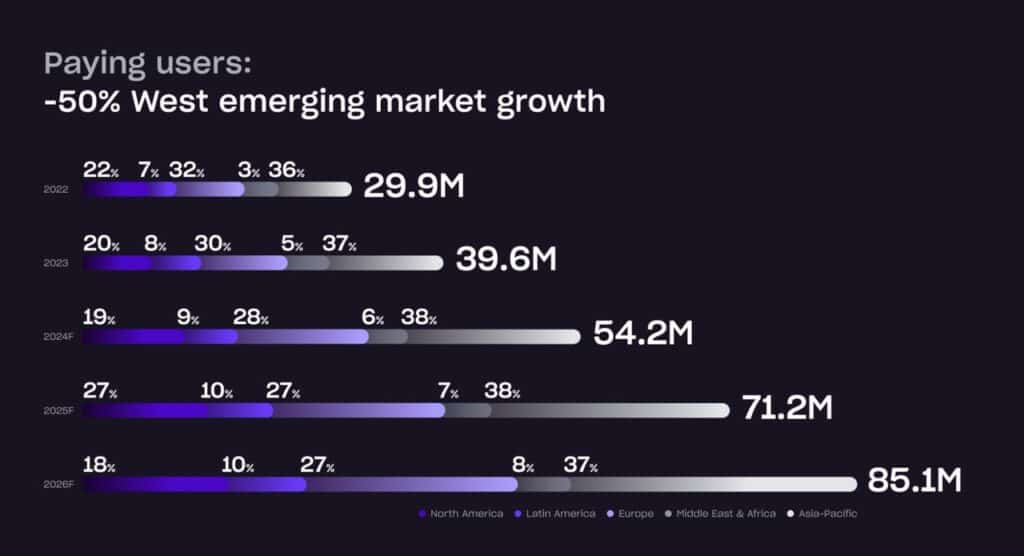
Cloud gaming might be designed for everyone, but the way it’s taking off depends heavily on the region. In Asia-Pacific, growth is outpacing the rest of the world. Huge mobile gaming communities, widespread 5G, and major investments from companies like Tencent are fueling momentum. South Korea’s strong network infrastructure and China’s massive player base make cloud gaming feel less like an experiment and more like a standard option.
North America is pushing forward too. Microsoft recently revealed that Xbox Cloud Gaming has streamed over 500 million hours, showing just how often people are using it. With more edge data centers popping up across the U.S., latency continues to drop. For many, cloud gaming isn’t just a Game Pass perk anymore. It’s part of how the service works day to day.
Europe is catching up quickly. GeForce NOW has built solid traction in places like Germany, France, and the UK, while Boosteroid has carved out a strong presence in Eastern and Central Europe. The launch of its Ultra Pro plan shows it’s not slowing down.
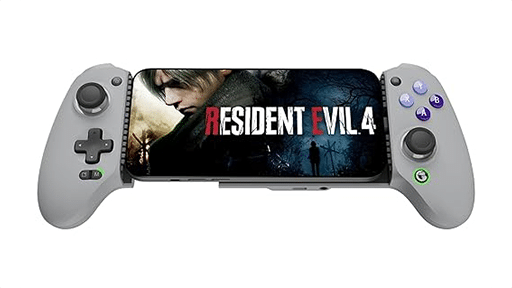
Then there are emerging markets, where cloud gaming is leapfrogging traditional stages. In parts of Latin America, the Middle East, and Africa, mobile-first adoption is driving growth. Brazil stands out especially, with esports, mobile gaming, and streaming all gaining ground at once.
Instant Access and Cloud Demos
One of the clearest expectations shaping cloud gaming is instant access. Gamers want to try something the moment it catches their eye, without waiting for downloads or installs. That expectation is starting to reshape how demos and trials are offered.
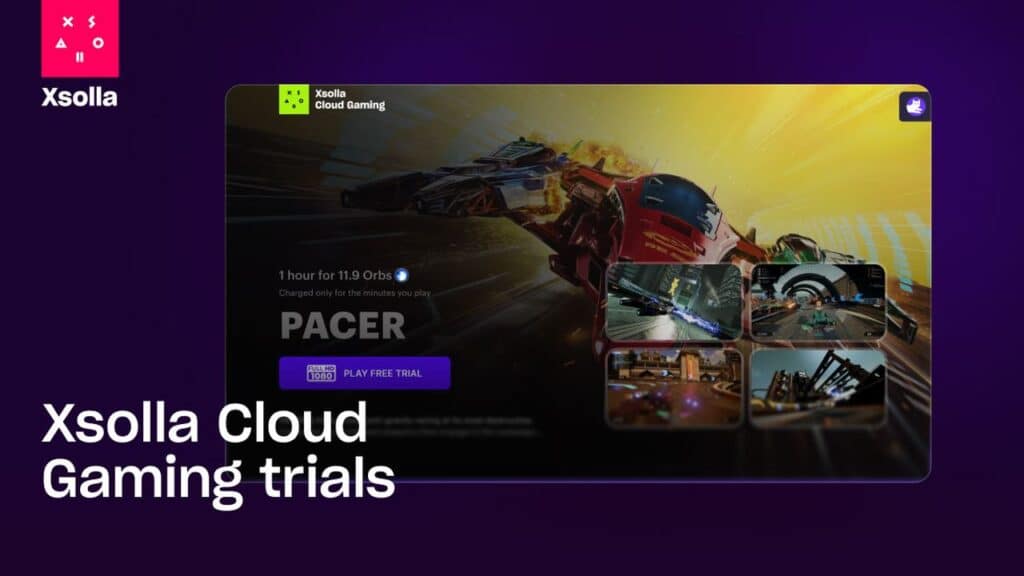
Google Stadia once pushed timed cloud demos as part of its strategy, letting people sample games instantly in the browser. GeForce NOW has also experimented with demos, though they aren’t usually time-limited and tend to appear during specific promotions. Recently, Xsolla introduced Cloud Gaming Trials, a new take on timed demos aimed at helping developers turn early interest into purchases.
Together, these efforts show how timed access is re-emerging as a tool not just for discovery, but also for conversion. They make it easier to jump from interest to purchase in a single session. For developers, that means one less barrier to winning over a new fan. For gamers, it’s a reminder of what cloud has promised all along: play anywhere, with no waiting around.
It’s still early days, but the renewed focus on instant-play trials shows how important discovery has become in a crowded market.
Cloud Gaming in Perspective
Cloud gaming in 2025 looks less like an experiment and more like a collection of real, evolving services. The big subscription platforms are still at the core, but the conversation has expanded. Pay-as-you-go access from services like AirGPU, flexible tiers from Boosteroid, and performance pushes from GeForce NOW all show how pricing and value are being rethought. Xbox’s integration of cloud into Game Pass is proof that streaming is now a key part of a wider ecosystem, not just a side feature.
Experiments with AR, VR, and Web3 show how cloud gaming could shape future platforms, even if those areas remain niche for now. Growth is happening everywhere. Asia-Pacific is still ahead, Europe is moving fast, and many emerging regions are jumping straight into mobile-first cloud gaming without passing through the console stage.
Through all of this, instant access is the theme that keeps coming up. Whether it’s timed trials, on-demand demos, or simply being able to pick up on another device without delay, the expectation is clear.
For developers, the challenge is choosing the right mix of tools to reach their audience. For gamers, the benefit is clear: more ways to play without expensive hardware. Cloud gaming doesn’t have one single path forward, but the trend is unmistakable. Instant, flexible access is becoming the expectation.
Back in June, we also explored how cloud gaming could grow first through B2B applications before scaling fully to consumers. The new trends we’re seeing now build directly on that foundation.
As always, remember to follow us on our social media platforms (e.g., Threads, X (Twitter), Bluesky, YouTube, and Facebook) to stay up-to-date with the latest news. This website contains affiliate links. We may receive a commission when you click on these links and make a purchase, at no extra cost to you. We are an independent site, and the opinions expressed here are our own.