


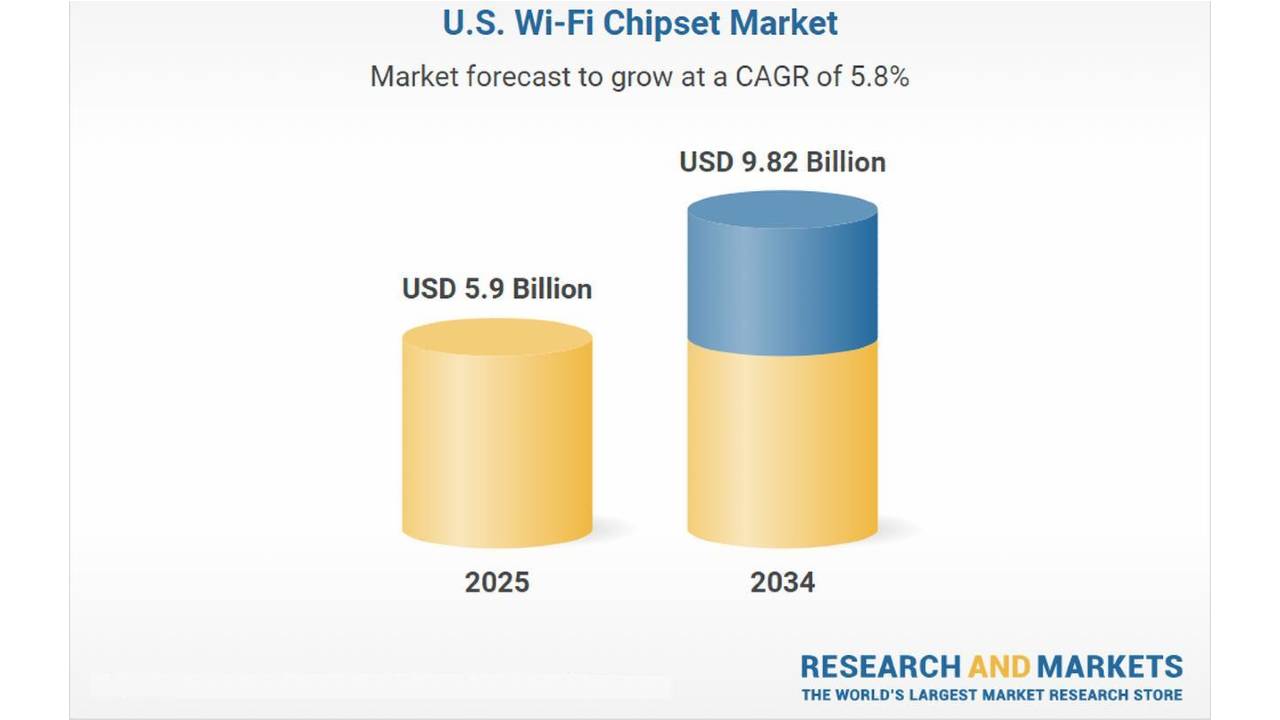
A new market forecast shows that the United States Wi-Fi chipset sector is preparing for massive growth over the next decade. Research and Markets projects the sector will jump from 5.9 billion dollars in 2025 to nearly 10 billion dollars by 2034. Much of that explosive growth is being driven by the rapid adoption of Wi-Fi 6, Wi-Fi 6E, and next-generation standards.
For the cloud gaming industry, this quiet infrastructure upgrade is the exact push needed to make streaming a reliable everyday reality. Those tiny silicon chips are the brains inside every router and smart device, and upgrading them solves a massive headache for the cloud ecosystem.



The Home Network Bottleneck
We often talk about the massive server costs facing companies like Xbox and Nvidia. However, the biggest hurdle for cloud gaming adoption usually sits right in your living room. Even with the best internet package in the world, if your local network is dropping packets, your stream is going to stutter. Many people blame the server when a frame drops. The problem is usually the local router buckling under the pressure.
As remote work and heavy video streaming demand more from our connections, crowded frequencies create massive latency spikes. This new data shows that device manufacturers are actively spending billions to fix the “last mile” of your data connection.
The 6GHz VIP Lane and Wi-Fi 7
The Research and Markets report specifically calls out cloud gaming as a primary driver for these advanced chipsets. Upgrading your local connection is not just about raw download speed. It is about traffic management. These newer protocols open up the 6GHz band. Think of it as a VIP lane on a crowded highway. Older bands are clogged with smart thermostats and security cameras, but the 6GHz band is wide open.
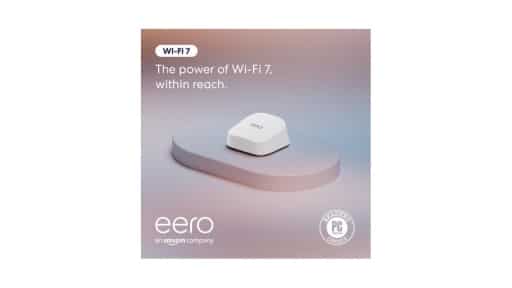
Furthermore, as we recently covered in our breakdown of Wi-Fi 7, the incoming generation of chipsets changes the math entirely. Wi-Fi 7 introduces Multi-Link Operation, or MLO. Instead of your console or phone being stuck on one band, MLO allows it to send and receive data across the 2.4 GHz, 5 GHz, and 6 GHz bands simultaneously. This creates a wider highway for your data. It ensures your 4K stream doesn’t tank the second someone else starts a video call in the next room.
Remote Work Subsidizes Better Gaming
The report highlights how the permanent shift to remote work is forcing this upgrade cycle. People need rock-solid video conferencing and cloud collaboration tools. The same low-latency connections required for a flawless Zoom call are exactly what you need to stream a game smoothly.

Because enterprises and remote workers are driving the demand for better routers. The technology becomes cheaper and more accessible for the average consumer. Gamers get to piggyback on this massive enterprise investment.
Empowering Portable Devices
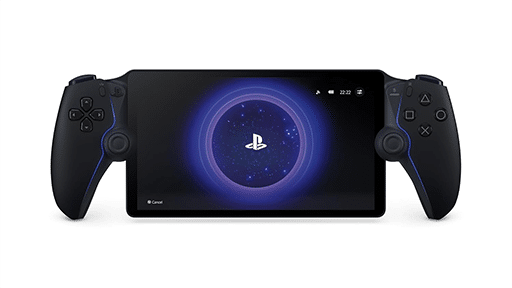
This shift is crucial for the future of portable gaming. Handhelds like the Logitech G Cloud, mobile phones with Backbone controllers, and the PlayStation Portal rely entirely on a strong wireless connection to function. If the baseline standard for home networks improves across the country, the barrier to entry for these devices completely vanishes. You no longer need to be wired directly into a router with an Ethernet cable to get a flawless experience.
Moving from the living room to the bedroom no longer drops the stream quality. As this ten billion dollar market expands, the dream of playing any high-end release from the comfort of your couch becomes much easier to achieve.
As always, remember to follow us on our social media platforms (e.g., Threads, X (Twitter), Bluesky, YouTube, and Facebook) to stay up-to-date with the latest news. This website contains affiliate links. We may receive a commission when you click on these links and make a purchase, at no extra cost to you. We are an independent site, and the opinions expressed here are our own.