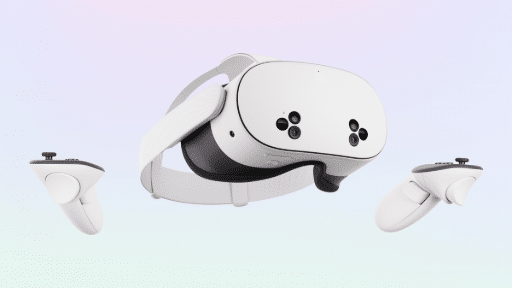



For years, cloud gaming has been talked about as a technical problem waiting to be solved. Better latency. Higher bitrates. Stronger servers. The assumption was always that once the experience matched consoles, players would naturally follow.
But something interesting is happening now. The people moving fastest into cloud gaming aren’t players at all. They’re advertisers.
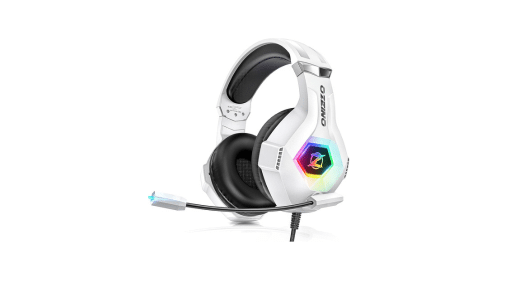
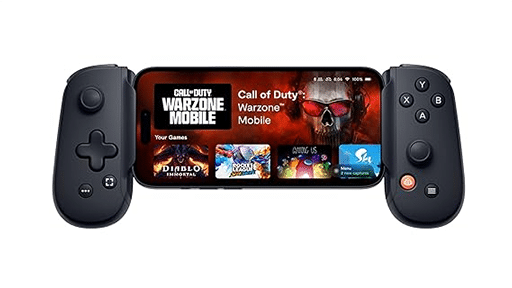
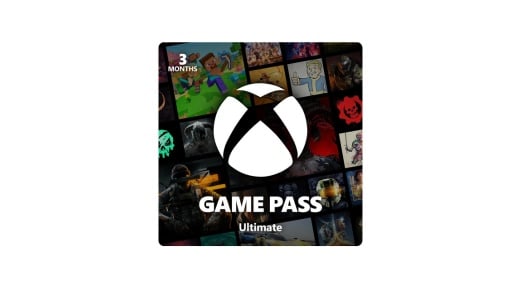
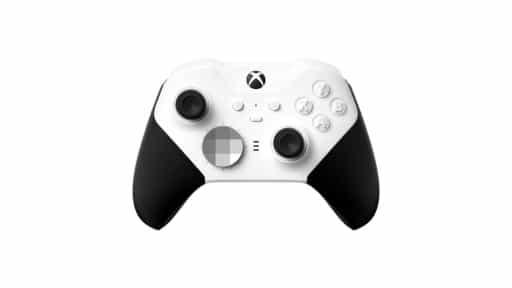
Over the past few months, a pattern has started to form. Smart TV manufacturers are building gaming hubs. Cloud platforms are rolling out ad-supported access. And now even Xbox is exploring what an ad-supported version of cloud gaming could look like. None of this is accidental, and none of it is driven by performance benchmarks. It’s being driven by where attention now lives.
Cloud Gaming Is Solving an Advertising Problem, Not a Gaming One
From an industry standpoint, gaming has always been a difficult place for advertisers. Mobile ads feel intrusive. Console advertising is limited and inconsistent. PC gaming is fragmented across storefronts, launchers, and hardware setups.
Smart TVs change that equation completely. They’re already built around advertising. They already track engagement. They already support programmatic ad delivery. And most importantly, they already sit in the one place where people spend the most uninterrupted time: the living room.
Cloud gaming running directly on smart TVs fits into that ecosystem naturally. There’s no new behaviour to teach. No extra hardware to sell. No complicated setup process. You turn on the TV, select a game, and start playing. That shift has already been visible across recent smart TV and cloud gaming announcements, particularly partnerships focused on ad-supported cloud gaming experiences built for the living room.
From an advertiser’s point of view, that’s gold. It means predictable reach, measurable engagement, and an audience that isn’t multitasking the way they might on a phone or PC. Games demand attention. That’s exactly what advertisers want.
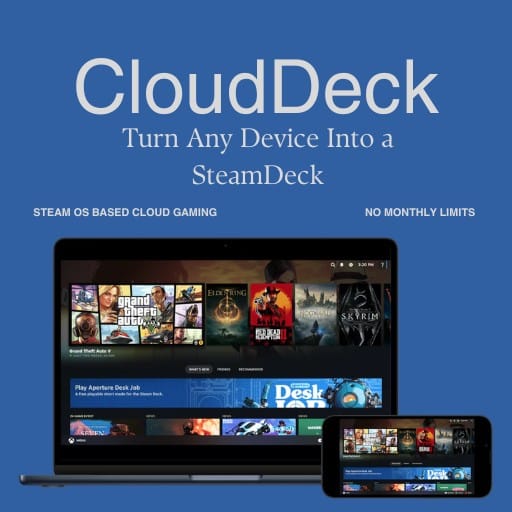
Xbox’s Move Changes the Conversation
Smaller cloud gaming platforms experimenting with ad-supported cloud gaming is one thing. Xbox exploring an ad-support tier is something else entirely. Microsoft doesn’t need ads to survive. Game Pass is profitable. The Xbox ecosystem is established. Cloud streaming is already bundled into existing subscriptions. If Xbox is seriously considering an ad-supported tier, it’s not because the company is struggling.
It’s because the model works. An ad-supported version of Xbox Cloud Gaming would do something important: it would lower the barrier to entry even further. No subscription. No commitment. Just pick up a controller and play. That’s not aimed at console loyalists. It’s aimed at everyone else sitting in front of a TV.
And once that door is open, the scale changes dramatically. That’s the part advertisers care about. Not frame rates. Not resolution. Scale.
Advertisers Are Moving Faster Than Players
Players tend to evaluate cloud gaming emotionally. Players tend to judge cloud gaming based on how it feels to play, whether there’s noticeable lag, and if it can realistically replace a console. Advertisers look at it differently.
They see:
- Long engagement sessions
- Predictable environments
- A growing base of casual users
- A format that blends interaction with passive viewing
Traditional TV ads are losing effectiveness because viewers tune out. Streaming ads work better, but attention is still divided. Gaming sits in a sweet spot where users are actively engaged but not overwhelmed by constant inputs.
That’s why ad-tech companies are suddenly interested in gaming in a way they never were before. Not because games changed, but because the screens they’re played on did. Smart TVs turned gaming into something advertisers can finally understand and measure.
Cloud Gaming Isn’t About Replacing Consoles
One thing that’s easy to misread about this shift is the idea that cloud gaming is trying to replace traditional gaming. It isn’t.
Console and PC gaming aren’t going anywhere. If anything, they’re becoming more premium, more enthusiast-focused, and more specialized. What cloud gaming is doing instead is filling the space below that.
It’s for:
- People who don’t want to buy a console
- Families who already use their TV for everything
- Casual players who jump in for short sessions
- Viewers who treat games like another streaming option
That shift lines up with what we’ve already seen across the industry, where cloud gaming isn’t primarily chasing traditional players anymore and instead targeting accessibility and reach. Ad-supported cloud gaming doesn’t need to compete with console experiences. It just needs to exist alongside them. And from a business standpoint, that’s far more scalable.
The Industry Is Lining Up Around the Same Model
What makes this moment different from previous cloud gaming pushes is alignment. Smart TV makers want more engagement. Advertisers want better attention. Platforms want larger audiences. Publishers want lower friction. Players want convenience. For the first time, all of those interests overlap.
That’s why we’re seeing companies lean into advertising-backed access. Why smart TV interfaces are giving gaming more visibility. Why cloud platforms are experimenting with free tiers. And why Xbox is even entertaining the idea of ads in its cloud ecosystem. This isn’t a short-term experiment. It’s a structural shift.
Cloud Gaming’s Real Audience Has Arrived
The biggest misconception about cloud gaming was that it needed to win over gamers first. In reality, it just needed to find the right audience.
That audience is sitting on the couch. They already own the screen. They’re comfortable with ad-supported content. And they don’t want friction. Cloud gaming finally fits into that world.
Not as a replacement for traditional gaming, but as a new layer of entertainment that feels as easy to access as a streaming app. And once advertisers realized that, the momentum became impossible to ignore. Cloud gaming’s future isn’t being decided by performance metrics or console comparisons anymore. It’s being shaped by where attention goes next. And right now, that attention is firmly planted in front of the TV.
As always, remember to follow us on our social media platforms (e.g., Threads, X (Twitter), Bluesky, YouTube, and Facebook) to stay up-to-date with the latest news. This website contains affiliate links. We may receive a commission when you click on these links and make a purchase, at no extra cost to you. We are an independent site, and the opinions expressed here are our own.