

For years, cloud gaming has been framed as a way to play console-quality games without a console. Faster servers, better streaming quality, and lower latency were supposed to bring traditional gamers into the cloud. But the more you look at where the industry is heading, the clearer it becomes that this was never the real goal.
Cloud gaming is no longer chasing gamers. It’s chasing everyone else.
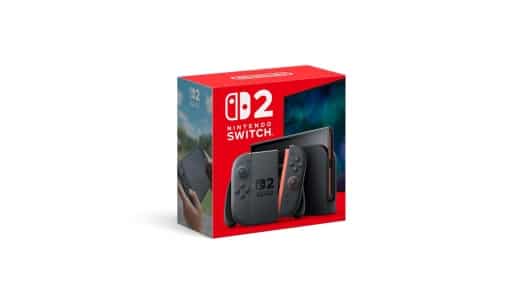
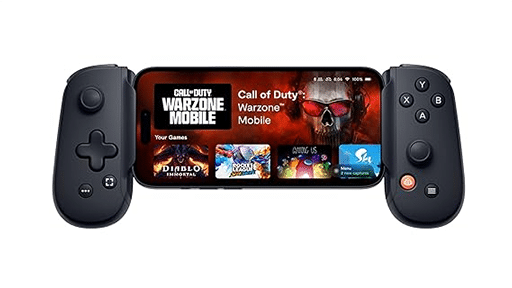
At CES 2026, that shift became much harder to ignore. Between new smart TV partnerships, ad-supported platforms, and a growing focus on frictionless access, cloud gaming is being redesigned for people who do not think of themselves as gamers at all. And that change is going to shape where the industry goes next.
Cloud Gaming Isn’t Competing With Consoles Anymore
For a long time, cloud gaming was positioned as a replacement for consoles and gaming PCs. The idea was simple. If streaming could reach the same performance level, players would no longer need expensive hardware.
But that approach no longer fits what is actually happening. Console and PC gaming, while massive, still represent a minority of households. Smart TVs, on the other hand, are nearly everywhere. In markets like the United States, smart TV penetration is already close to universal. Globally, that number continues to rise while console ownership remains far lower.
That reality changes the equation. Cloud gaming no longer needs to convince people to buy into an ecosystem. It can simply meet them where they already are. The living room TV has become the most important screen in the house, and cloud platforms are increasingly built around that idea.
Instead of asking players to move toward gaming, cloud gaming is moving toward everyday screen habits.
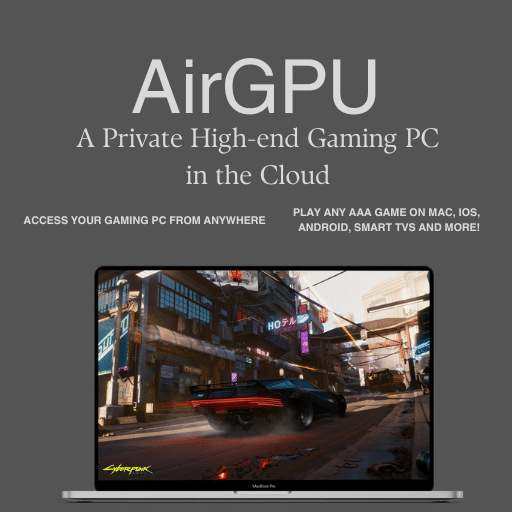
Why Advertisers Are Suddenly Paying Attention
One of the biggest signals that this shift is real is where the money is going. Advertisers have always struggled to fit into gaming in a meaningful way. Mobile ads feel intrusive. Console advertising is limited. PC gaming is fragmented. But smart TVs are already part of a well understood advertising ecosystem.
Cloud gaming running on TVs changes everything. From an advertising perspective, it offers scale, predictability, and long engagement windows. It also fits naturally into viewing habits that already exist. Short ads during loading screens or transitions feel familiar to anyone who watches ad-supported streaming. There is no need to reinvent how advertising works.
That is why ad-supported cloud gaming is growing faster than subscription-only models. It aligns with how people already consume content, and it removes the cost barrier that has always limited gaming’s reach.
The Audience Cloud Gaming Is Actually Built For
What stands out most in recent interviews and platform announcements is how clearly the target audience has shifted.
This is not about converting console players. It is about reaching:
- Families who already use their TV for everything
- Casual players who do not want setup or downloads
- People who have never owned a console
- Viewers who treat games the same way they treat streaming apps
The emphasis is no longer on performance benchmarks or hardware comparisons. It is on access. Pick up a remote or a controller. Start playing.You pick up a remote or controller and start playing, with nothing to install and no commitment required.
That shift changes who cloud gaming is for. It becomes something you try, not something you invest in.
Why This Changes the Direction of Cloud Gaming
Once cloud gaming stops chasing traditional gamers, everything else shifts with it. Game design starts to favour shorter sessions and easier onboarding. Platforms prioritize instant play over deep customization. Monetization shifts toward advertising instead of monthly fees. Distribution becomes about visibility on TV home screens instead of storefront competition.
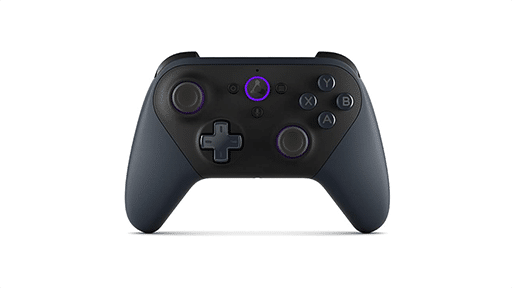
This also explains why so many cloud platforms are focusing on smart TV partnerships right now. Samsung Gaming Hub, LG Gaming Portal, all-new Amazon Luna, Netflix’s cloud gaming living room battle, and services like PHYND and GAMELOOP are all moving in the same direction. Blacknut’s launch of ZAP! pushes that idea further by offering free, ad-supported access built specifically for TV play.
Boosteroid has taken a similar step through its partnership with Whale TV, bringing cloud gaming directly to smart TV home screens without requiring additional hardware. Even Xbox has begun testing the waters with signs of an ad-supported tier for Xbox Cloud Gaming. These moves point to a clear shift toward access-first cloud gaming designed for the screens people already use every day. The future audience is already sitting on the couch.
The Bigger Picture for Cloud Gaming
Cloud gaming is not failing to replace consoles. It was never supposed to. What it is doing instead is slowly becoming part of the TV experience. Just like streaming video did before it. The goal is not to turn everyone into a gamer, but to make games feel as accessible as any other form of entertainment on the screen.
That shift matters. It reshapes platform design and influences how games are made. And it changes how the industry measures success.
Cloud gaming’s next audience is not defined by hardware, subscriptions, or even gaming habits. It is defined by convenience. And that shift may end up mattering more than any technical breakthrough ever could.
As always, remember to follow us on our social media platforms (e.g., Threads, X (Twitter), Bluesky, YouTube, and Facebook) to stay up-to-date with the latest news. This website contains affiliate links. We may receive a commission when you click on these links and make a purchase, at no extra cost to you. We are an independent site, and the opinions expressed here are our own.