

Amazon Luna now sits in a very specific place in the cloud gaming space. It is not trying to compete directly with full console ecosystems or replace traditional gaming platforms. Instead, it focuses on offering an easy way to access games through the cloud, especially for people who already use Amazon Prime.
If you are curious about cloud gaming but do not want to commit to another full subscription, Luna offers a straightforward way to get started. You can play through a browser, use controllers you already own, and in many cases access games without paying anything beyond your existing Prime membership.
That approach defines both the strengths and limits of the service. Luna does some things well, leaves other areas untouched, and makes clear choices about what it wants to be. This review looks at how Amazon Luna performs in 2026, what it offers today, and who it actually makes sense for.
Amazon Luna at a Glance
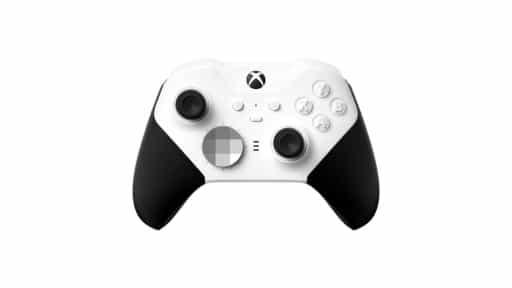
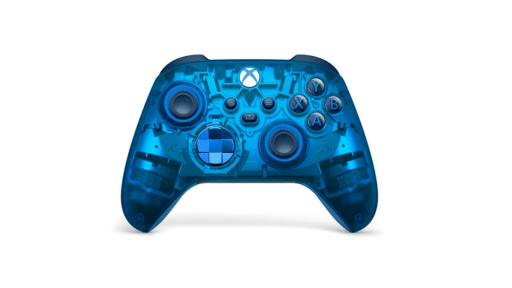
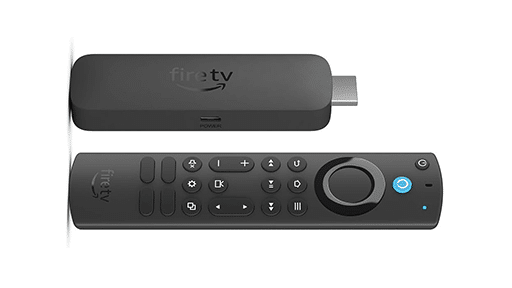
Amazon Luna is a cloud gaming service that runs through a browser or supported apps, without requiring downloads or local installs. You can play on Windows PCs, Macs, Fire TV devices, tablets, and phones using controllers you may already own.
Instead of trying to function as a full gaming platform, Luna focuses on making games easy to access. You open it, choose a game, and start playing. There is no hardware to manage and no storage space to worry about, which makes it a simple option if you just want to jump in and play.
Most people end up using Luna in one of two ways. Either it becomes a way to play select games through an existing Amazon Prime membership, or it serves as a cloud option for games already owned through Ubisoft Connect.
Once you spend some time with it, the approach becomes clear. Luna is not designed to replace a console or a gaming PC. It works best as a flexible option that removes setup and maintenance from the equation, especially if you already use Amazon services.
Luna also leaves out many of the features people expect from traditional gaming platforms. There are no platform-wide achievements, no friends list, and no shared progression layer. That design choice keeps things simple, but it also means the experience will feel limited if you expect deeper platform features.
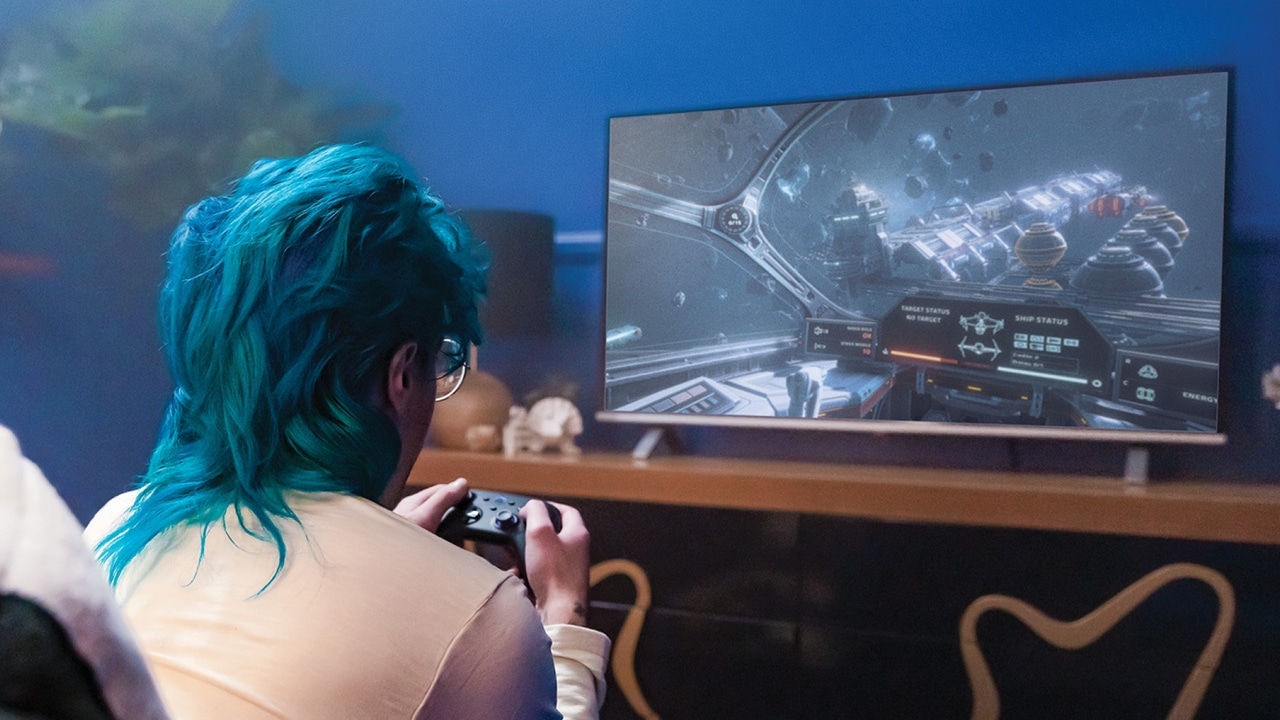
Prime Access and Free Play
One of the biggest reasons Luna still has a place in 2026 is its connection to Amazon Prime. If you already have a Prime membership, you can access a rotating selection of games at no additional cost, which makes Luna easy to try without committing to another subscription.
This is also where Luna feels most useful. You can launch games directly through a browser or supported device and start playing almost immediately. There’s no install process, no patches to manage, and no setup beyond signing in. For quick sessions or casual play, that convenience goes a long way.
Prime members also have access to Fortnite on Luna, which remains one of the service’s strongest draws. It runs smoothly, works across devices, and doesn’t require owning any hardware beyond a compatible controller. If you just want a way to jump into Fortnite without downloads or updates, Luna handles that well.
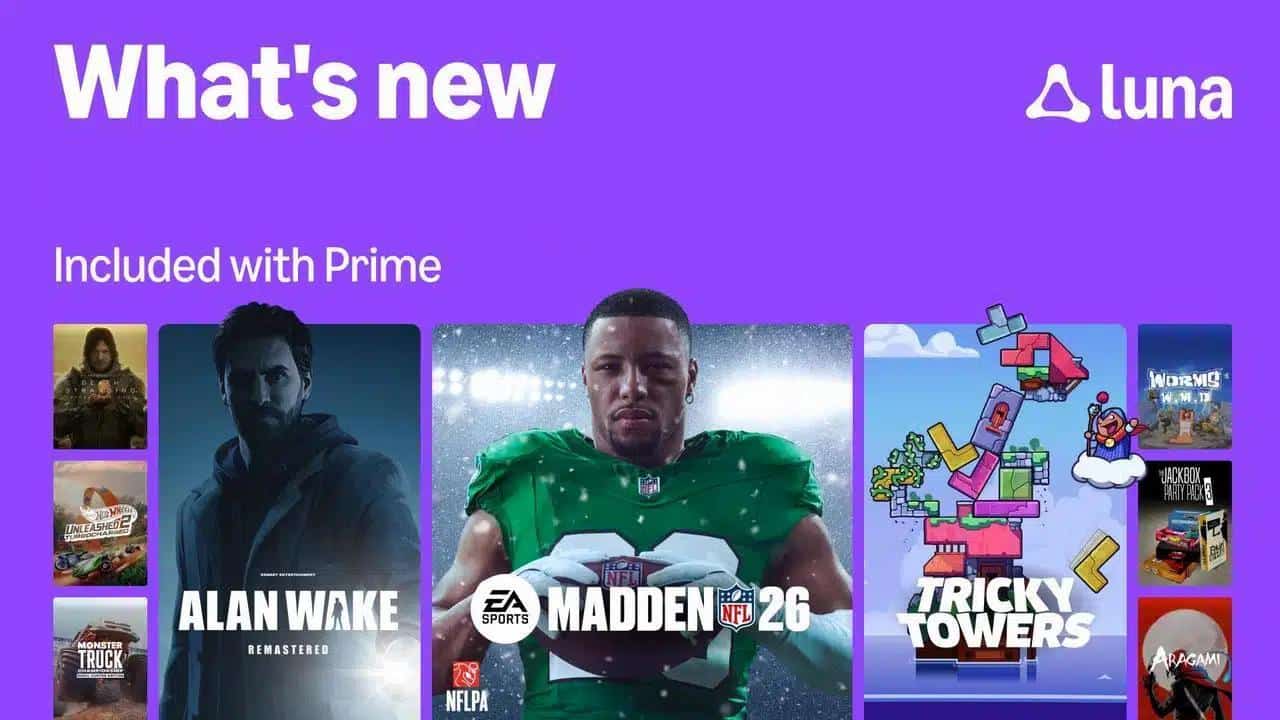
Another key piece is Ubisoft Connect integration. If you already own supported Ubisoft games on PC, you can stream them through Luna without repurchasing them. That makes Luna useful as a way to access your existing library from different devices, rather than as a place to build a new one.
Amazon has also made it clear that Luna now sits directly inside the Prime experience. What was previously split between Prime Gaming and Luna has been consolidated, with cloud access, rotating games, and PC perks now grouped under the same umbrella. For Prime members, that makes the service easier to understand and easier to use.
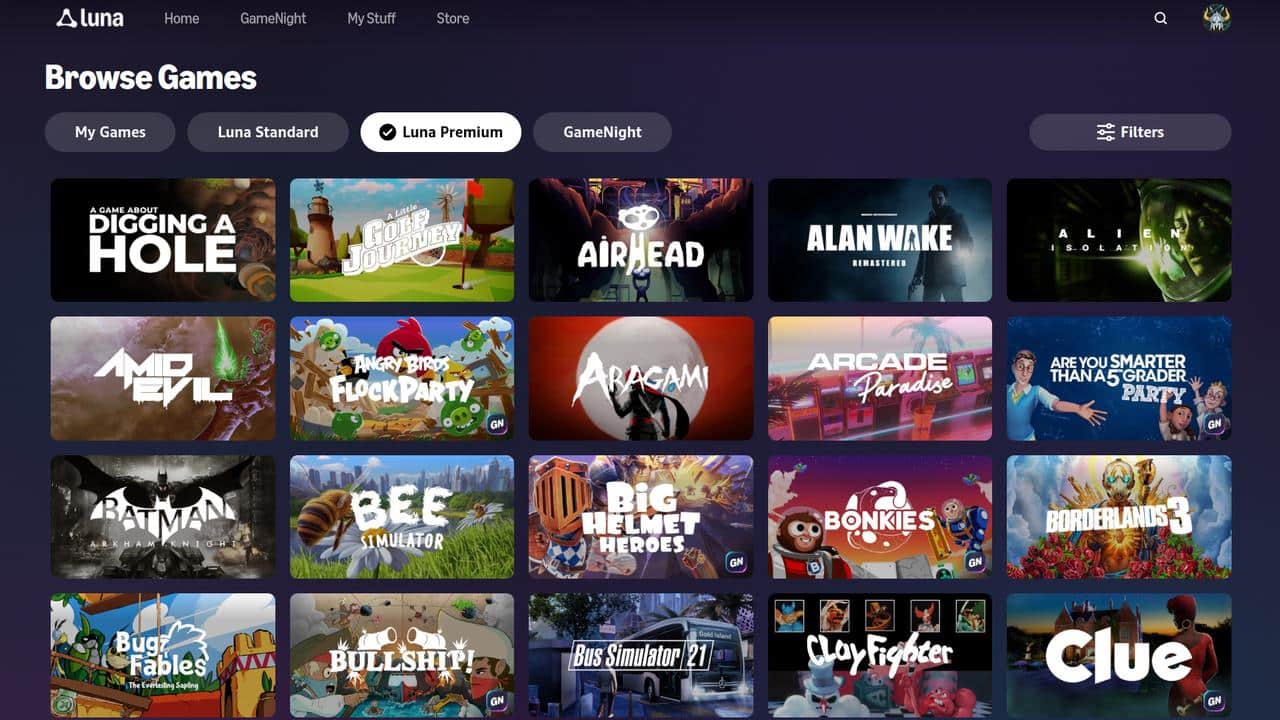
Luna Premium and the Expanded Game Library
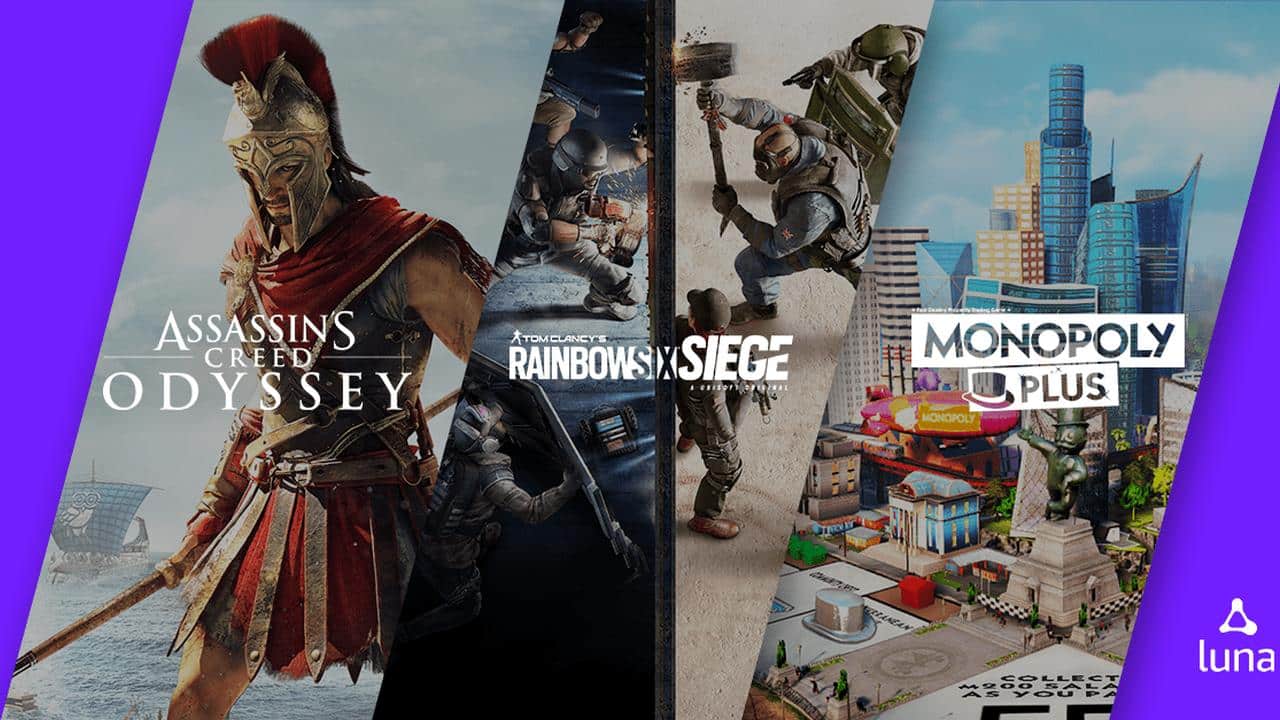
Luna Premium is the paid tier that builds on what Prime offers, opening access to a larger and more consistent game library. While Prime focuses on rotation and sampling, Luna Premium is aimed at players who want more choice and fewer limits.
The library includes a wider mix of titles across genres, with a stronger presence of larger releases alongside indie and mid-tier games. Unlike the Prime selection, which changes frequently, Luna Premium offers a more stable lineup that makes it easier to settle into longer games without worrying about sudden removals.
That stability is one of the biggest differences. Games still rotate over time, but the cadence is slower, and the catalog feels more intentional. It is designed for players who want to play through full campaigns or spend more time with a specific title rather than bouncing between short sessions.
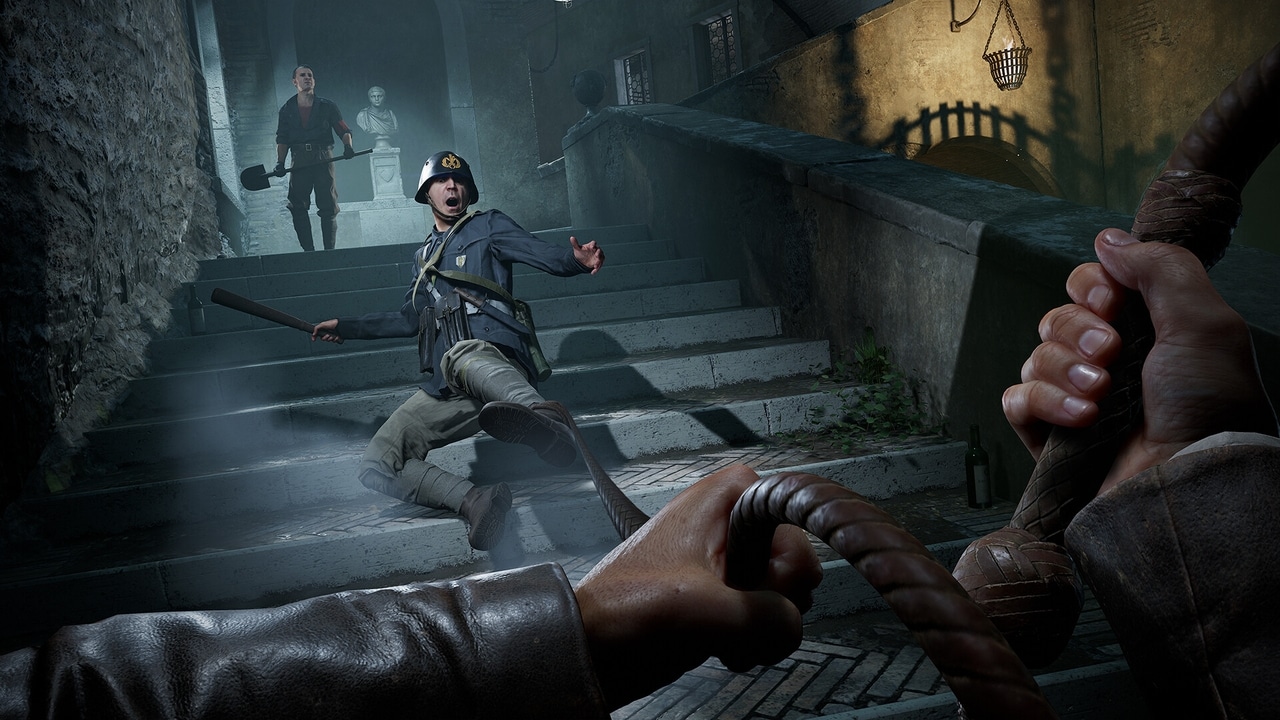
The overall quality of the library is solid. Most of the games are recognizable, and there is very little padding. You are not getting the sheer volume of something like Game Pass, but Luna Premium is also not trying to compete on scale. Instead, it focuses on offering a manageable selection that works well with cloud play and loads quickly across devices.
Where Luna Premium makes the most sense is as an extension of the Prime experience. If you already use Luna and want more variety without buying individual games, the upgrade feels natural. If you are looking for a permanent, ownership-based library, it may still feel limited.
In the context of Luna as a whole, Premium works best as a middle ground. It offers more depth than Prime alone while staying true to Luna’s core idea of convenience, accessibility, and low commitment.
Performance and Streaming Quality
This is the area where Luna tends to surprise people, especially if you have not tried cloud gaming in a while. In day-to-day use, the service runs smoothly, with stable image quality and responsive controls across most supported devices.
On a solid internet connection, games load quickly and stay consistent during play. Input response feels tight enough for action games, and visual quality holds up well at 1080p. It is not trying to push technical limits, but it delivers a steady experience that holds up over longer sessions.
One of Luna’s strengths is how little setup is required. You open a browser or app, sign in, and start playing. There are no downloads, no patches, and no system updates to manage. That simplicity makes it easy to jump in for short play sessions without planning around installs or storage space.
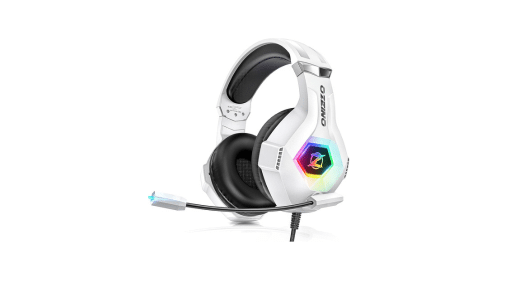
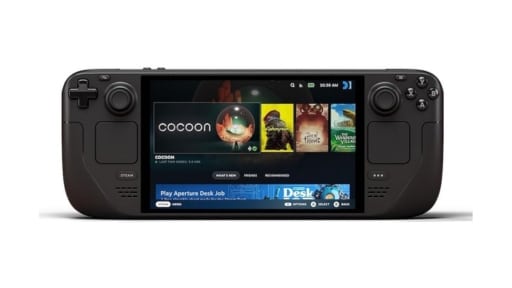
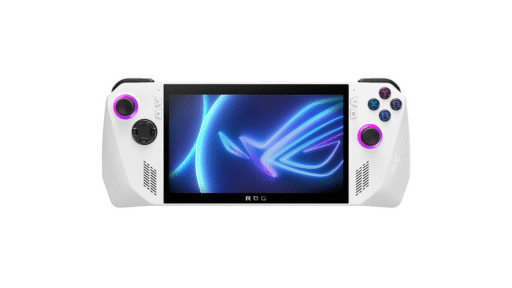
Performance also stays consistent across devices. Whether you are playing on a PC, a Fire TV, or a tablet, the experience feels largely the same. That reliability makes Luna easy to move between screens, especially if you are switching rooms or devices during the day.

Where Luna shows its limits is in customization and control options. You do not get deep graphics settings, resolution choices, or performance modes. What you see is what you get. For most players, that is perfectly fine, but if you are used to tweaking settings on a PC, the lack of control will be noticeable.
Overall, Luna performs well at what it sets out to do. It provides stable, low-effort access to games without asking much from the user. As long as your internet connection is solid, the experience holds up consistently.
Platform Features and Limitations
Luna includes a few platform features that help set it apart, but it also leaves out several things that many players expect from a modern gaming service. Understanding both sides of that equation makes it easier to know what you’re getting into.
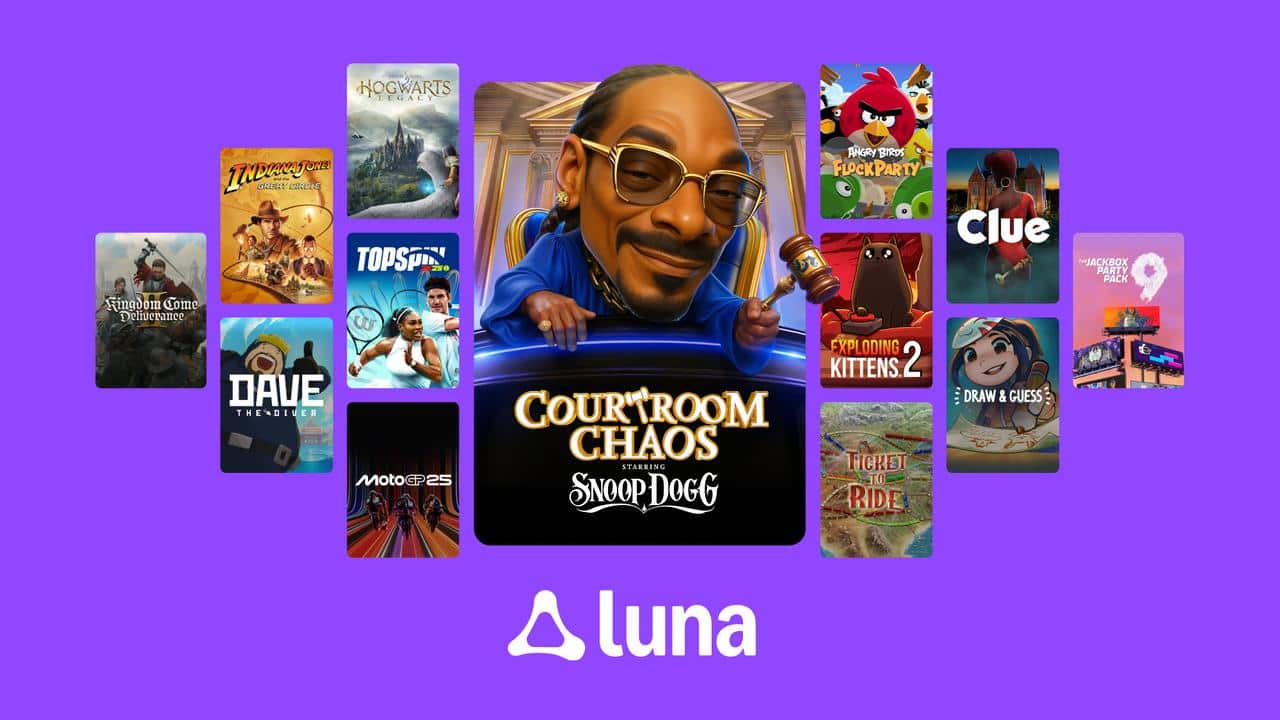
One newer addition worth noting is GameNight, a collection of party-style games designed for local play using phones as controllers. It leans into quick, social experiences rather than traditional multiplayer and fits well with Luna’s focus on low-effort access.
That said, Luna Couch and GameNight are not replacements for full multiplayer support. Most games still lack proper online features tied to a platform-level system. There is no friends list, no unified multiplayer layer, and no built-in way to manage social features across games.
Luna also avoids long-term account tracking. There are no achievements, no platform progression, and no history that follows you across games. For some players, that keeps things simple. For others, it makes the experience feel temporary.
This design choice lines up with how Luna is meant to be used. It is not built around competition or long-term investment. It is built around access. You play a game, enjoy it for a while, and move on when you are done.
Amazon Luna Review Final Thoughts
Amazon Luna has settled into a very specific role in the cloud gaming space. It is not trying to replace a console or compete feature-for-feature. Instead, it offers an easy way to access games with minimal setup, especially for people who already use Amazon Prime.
Where Luna works best is in its simplicity. You can open a browser, pick a game, and start playing without worrying about downloads, patches, or hardware requirements. For short sessions, casual play, or trying games you might not otherwise touch, that convenience goes a long way.
At the same time, Luna is not built for long-term progression or deep platform investment. The lack of achievements, limited multiplayer support, and rotating game access make it less appealing if you want a permanent library or ongoing progression. Those trade-offs are intentional and define what Luna offers.
Prime
If you already have Amazon Prime, Luna is easy to recommend as something to try. The ability to play Fortnite, access select games, and stream Ubisoft titles you already own adds value. If you are looking for a full gaming ecosystem, it’ll feel incomplete.
In 2026, Amazon Luna works best as a companion service. It is a convenient way to play games without extra setup, not a replacement for a console or PC. As long as you approach it with that expectation, it delivers a solid cloud gaming experience.
As always, remember to follow us on our social media platforms (e.g., Threads, X (Twitter), Bluesky, YouTube, and Facebook) to stay up-to-date with the latest news. This website contains affiliate links. We may receive a commission when you click on these links and make a purchase, at no extra cost to you. We are an independent site, and the opinions expressed here are our own.