


Ask anyone who built a gaming PC ten years ago about streaming a competitive shooter, and they will probably laugh. The old assumption is that cloud gaming introduces too much input lag to hit a flick shot or block a low kick in a fighting game. But the technology has moved on. If you’re wondering whether you can actually play competitive esports on cloud gaming right now, the answer is an absolute yes.
As long as you have a stable connection and play on a service using modern edge computing, the latency is practically imperceptible. We’re talking 10 to 20 milliseconds, which is faster than human reaction time. The broader gaming industry connects over three billion people worldwide. Locking the best competitive matches behind expensive hardware simply doesn’t make sense anymore. Cloud gaming services are knocking down those barriers and proving that the latency myth is officially outdated.
Wallet Fatigue and Why Cloud Infrastructure Matters
Let’s talk about the hardware for a second. If you want to jump into a high frame rate battle royale or a demanding team shooter locally, you’re looking at dropping serious cash. A top tier graphics card alone costs more than a mortgage payment. That financial wall keeps a lot of gamers out of the competitive scene entirely, purely because they can’t afford the rig required to run the code at a playable frame rate.
I ran into this exact problem last year. I wanted to get a few buddies into a ranked squad, but half of them were running ancient laptops that could barely boot up the launcher, let alone maintain 60 frames per second during a messy firefight. Cloud gaming completely bypasses that issue. By shifting the computational heavy lifting into hyperscale data centers, platforms like Boosteroid render everything on remote servers and send you the video feed.
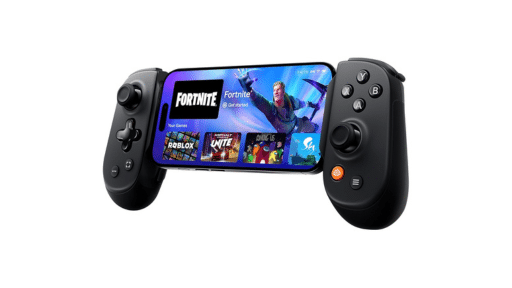
Suddenly, your basic work laptop or the smart TV in your living room becomes a high-end rig. That means a significantly lower barrier to entry for everyone looking to get into esports. You get to focus on your aim and your map awareness instead of worrying about whether your cooling fans are about to fail mid-match.
Edge Computing Shrinks the Physical Distance
The biggest argument against streaming competitive titles always comes back to latency. In a fighting game or a tactical shooter, milliseconds literally decide whether you win or lose the round. If your inputs take too long to reach the server, you’re dead before you even pull the trigger.
The solution to this problem is geography. Modern gaming data centers operate on a model called edge computing, which places the servers as physically close to your house as possible. The shorter the physical distance the data has to travel, the lower the latency you experience. Holding down a trigger sends the command to a local node and registers the shot on your screen almost instantly.

Boosteroid is a clear example of this infrastructure at work. They operate a distributed server network spread out across Europe and the Americas specifically to cut down that distance. The closer you are to the hardware, the better the whole thing runs. This kind of localized infrastructure minimizes lag and ensures high availability, which is absolutely crucial when you’re grinding ranked ladders.
Optimizing Your Own Setup
Of course, a hyperscale server farm can only do so much if your home network is dropping packets. You need a clean, uncluttered connection to get the most out of these services.
If you’re serious about competitive play, I highly recommend running an Ethernet cable straight from your router to your device. Hardwiring cuts out the interference that plagues wireless connections. If running a wire is out of the question, jump into your router settings and make sure you’re on a Wi-Fi 7 router using a wide 6GHz channel. Do whatever you can to get your local ping down, and the remote servers will handle the rest.
Building the Backbone for High Traffic
Esports isn’t just a niche hobby anymore. It’s a digital ecosystem that pulls in over 600 million viewers globally, and projections show it approaching one billion in the next few years. When you have millions of people engaging with events in real time, the backend technology has to be flawless.
This is where the raw scale of modern data centers comes into play. They do a lot more than just stream video. These facilities handle the real-time resource scaling required to manage matchmaking, process background data, and broadcast live events. Without this invisible backbone, the entire competitive ecosystem would buckle under the weight of its own traffic.
We’re seeing major investments geared specifically toward supporting this level of scale. For instance, DL Invest Group and Boosteroid recently launched a joint venture to build next-generation data centers across Europe. Their flagship project is a hyperscale facility in Bielsko-Biała, Poland, designed to reach 200 megawatts of capacity. This kind of raw power forms the foundation for the next era of competitive gaming infrastructure.
Competitive Esports on Cloud Gaming Are Here to Stay
The debate over whether cloud gaming can handle high level play is basically over. The infrastructure is already here, and it’s expanding fast. Central and Eastern Europe are quickly becoming major hubs for these investments due to their strategic locations and growing energy grids.
By removing the need for a two-thousand-dollar desktop rig, cloud platforms open up the competitive scene to a completely new audience. The future of esports isn’t just in the hands of the studios making the games. It’s being built by the infrastructure providers laying down the server networks that make global, low-latency access a reality.
The days of blaming lag for a missed headshot are coming to an end. If you have the right setup at home, the cloud can push the frame rates you need to climb the ranks. It’s just a matter of logging in and proving you have the skills to back it up.
As always, remember to follow us on our social media platforms (e.g., Threads, X (Twitter), Bluesky, YouTube, and Facebook) to stay up-to-date with the latest news. This website contains affiliate links. We may receive a commission when you click on these links and make a purchase, at no extra cost to you. We are an independent site, and the opinions expressed here are our own.