


Advertising is already part of cloud gaming. GeForce NOW’s free tier has used video ads before gaming sessions for more than two years. PHYND is building its subscription-free cloud gaming service around advertising, Blacknut has introduced its ZAP! ad-powered access model, and XBOX is now testing free cloud sessions with ads before play begins.
EA added another piece to the advertising landscape in June with the launch of EA Advertising, a new platform for brands across its games and related experiences. EA built technology that can dynamically serve and measure ads inside select EA SPORTS games, including placements on digital boards, scoreboards, and broadcast-style overlays. The platform also supports branded challenges, rewards, and other integrations.
That puts EA at a different point in the experience from most of the cloud gaming models we’ve seen so far. A cloud service can use advertising around access, while EA now has infrastructure for advertising inside the game itself.
EA isn’t calling EA Advertising a cloud gaming product, but the overlap is hard to ignore. Cloud services are starting to use ads as part of access, while EA now has technology that can put ads inside the games themselves. If those two approaches ever come together, the bigger question is who gets to control the advertising around a cloud gaming session.
EA Advertising Moves Brand Placements Into Gameplay
At the centre of EA Advertising is a set of tools that lets brands appear directly inside select EA SPORTS games.
That can include digital boards, scoreboards, and broadcast-style overlays inside 3D environments. EA says those ads are served dynamically, allowing campaigns to change and be optimized over time.
The company has also built a proprietary ad server and software development kit specifically for Frostbite. EA says the system supports advanced targeting and campaign measurement, with impression measurement aligned to IAB standards. Integral Ad Science is involved in verifying that ads are viewable, delivered to real audiences, and measured using accredited standards.
EA Advertising goes further than display placements. Brands can also work with EA on in-game challenges, rewards, branded content, and custom cosmetic items.
EA points to Lowe’s Ultimate Team campaigns and Xfinity and Peacock integrations in EA SPORTS FC 26 as examples of how these formats are already being used. Lowe’s appeared through challenges and branded content, while Xfinity and Peacock used in-stadium and broadcast-style placements alongside rewards and other integrations.
The infrastructure is where the cloud gaming question begins. EA can dynamically deliver and measure advertising inside the game itself.
Cloud Gaming Already Has Several Ad-Supported Models
EA Advertising isn’t arriving in an industry that has never experimented with ads.
GeForce NOW’s free membership has included advertising since March 2024. NVIDIA shows up to two minutes of video sponsorship messages after someone selects a game and before the cloud session begins. The ads run while GeForce NOW is locating a server and stop before gameplay starts.
XBOX is now testing a similar access-layer idea. XBOX Insiders can stream select games they own without paying for cloud access. Advertising appears before each session, sessions are limited to one hour, and the game itself isn’t interrupted once play begins.
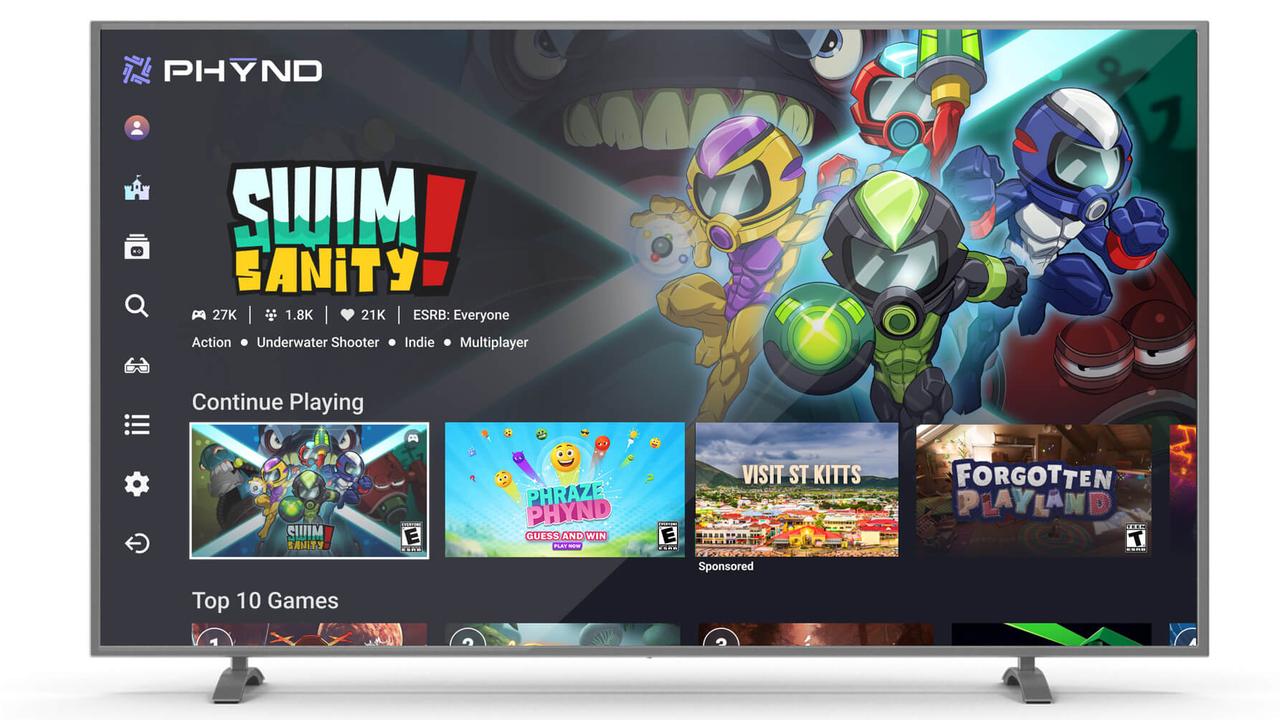
PHYND takes a different approach by building advertising into the economics of its subscription-free cloud gaming service. Its partnership with Magnite uses SpringServe and programmatic advertising technology to support both direct and programmatic campaigns across PHYND’s game library on Smart TVs.
Blacknut has another variation with ZAP!, short for Zero-Cost Ad-Powered Play. ZAP! lets people go directly into supported cloud games for free without registration, an account, or a download.
These models aren’t identical, but most of the advertising sits around access, service monetization, or natural points outside active gameplay.
That is where EA Advertising changes the discussion. EA has built technology that can dynamically serve and measure advertising inside the game itself.
Cloud Gaming Could Bring Those Layers Onto the Same Screens
Cloud gaming complicates that separation as games reach devices beyond dedicated consoles.
We’ve already seen cloud gaming and other gaming experiences move onto Smart TVs, with Netflix, Samsung, Play.Works, and PHYND beginning to provide clearer adoption and usage signals. Cloud access also extends games to phones, tablets, browsers, PCs, and other supported devices.
That expansion separates several parts of the experience. A Smart TV can provide the screen, a cloud platform can provide access, and the publisher can still control what exists inside the game.
Advertising could follow those same layers.
A cloud platform could use advertising around access while a publisher separately uses dynamic placements inside the game. That doesn’t mean both will happen in the same session, and neither EA nor Microsoft has announced such a model.
If publisher advertising systems work the same way in cloud-delivered games, pre-roll wouldn’t be the only possible advertising layer. EA hasn’t confirmed that for its Frostbite advertising tools.
Advertising Measurement Gets More Complicated in the Cloud
Multiple advertising layers would make measurement and inventory ownership more complicated.
EA Advertising already includes technology for serving and measuring in-game impressions. GeForce NOW already measures advertising shown before its free sessions, and XBOX is now testing another pre-session model.
If these different approaches ever overlap, advertisers would need to know exactly what they are buying and measuring.
A cloud platform could sell the ad shown before access, while a publisher could separately sell an in-game placement. That raises questions about frequency, competing brands, campaign measurement, and who controls each part of the advertising relationship.
There are practical questions too. EA hasn’t explained whether its Frostbite advertising tools operate differently when a game is running remotely rather than on local hardware. We shouldn’t assume the advertising experience or measurement works identically in a cloud-delivered session.
These aren’t problems EA, XBOX, NVIDIA, or another cloud provider has announced plans to solve together. They are questions that become more relevant if advertising begins appearing at more than one layer of cloud gaming.
Cloud Gaming’s Ad Model May Not Stop at Pre-Roll
GeForce NOW, PHYND, Blacknut, and XBOX already give us several examples of advertising being used around cloud gaming access and service monetization. The models differ, but each puts advertising somewhere around the path into the game.
EA Advertising adds another layer. Its technology can dynamically deliver and measure advertising within games, while broader brand partnerships can extend into challenges, rewards, and branded content. EA hasn’t connected that technology to cloud gaming, and none of these cloud services has announced an advertising relationship with EA Advertising.
But cloud gaming is making the path between device, service, and game less dependent on one piece of hardware. If advertising follows that same path, pre-roll may only be one part of the eventual business model. The unresolved question is who owns the advertising relationship when the cloud platform controls access but the publisher still controls what happens inside the game.
As always, remember to follow us on our social media platforms (e.g., Threads, X (Twitter), Bluesky, YouTube, and Facebook) to stay up-to-date with the latest news. This website contains affiliate links. We may receive a commission when you click on these links and make a purchase, at no extra cost to you. We are an independent site, and the opinions expressed here are our own.